
Follow A Sodium-Reduced Diet

Even a slight decrease of salt in the diet can improve your overall heart health and reduce blood pressure. The effect of sodium on blood pressure varies from person to person. Limit your daily sodium consumption to not more than 2,300 mg. However, for most people, a daily salt intake of 1,500 mg is optimal. To minimize sodium in the diet, take the following advice:
- Consume processed meals in moderation. Organic products contain only a small amount of salt.
- Remove the salt from the recipe. A level teaspoonful of salt has 2,300 milligrams of sodium. Use spices or herbs to enhance the flavor of your food. Take it slowly at first. If you don’t think you’ll be able to reduce your sodium intake overnight, reduce it gradually and dramatically. Over time, your palate will adjust.
Limit The Amount Of Alcohol You Consume

Alcohol does have beneficial and harmful effects on one’s health. Drinking small amounts of alcohol – one drink a day for women, two drinks a day for men – can drop the blood pressure. If you drink heavily, however, this beneficial role is lost. A considerable elevation in blood pressure can be due to drinking more than small amounts of alcohol. It may also reduce the effectiveness of blood pressure medications.
Give Up Smoking

For many minutes after you finish smoking a cigarette, the blood pressure rises. Smoking cessation allows the blood pressure to return to normal. Quitting smoking can help you live a healthier life by lowering your risk of heart disease and improving your overall health. People who give up smoking may live longer than those who do not.
De-Stress And Unwind

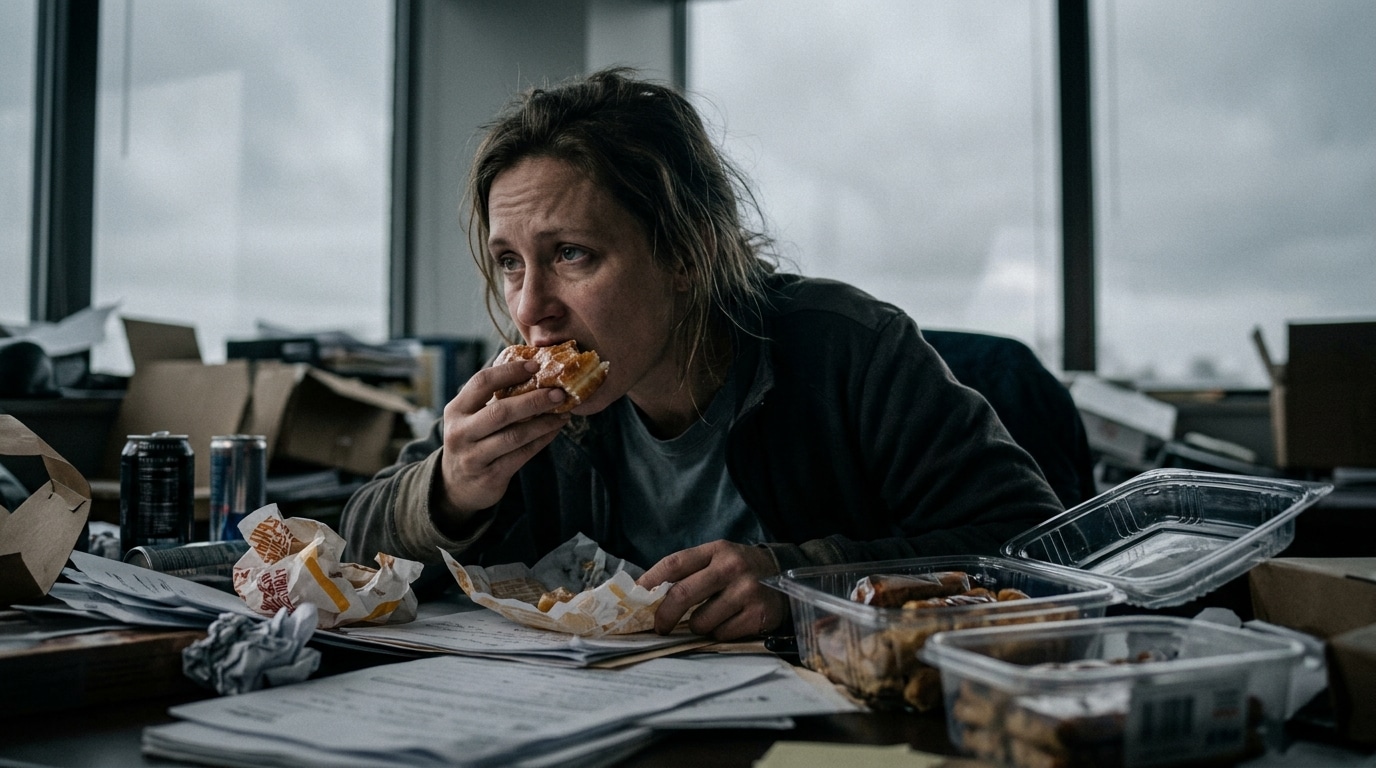
Chronic stress can aggravate high blood pressure. More study is needed to find the influence of chronic stress affecting blood pressure. High blood pressure can be exacerbated if you respond to stress by smoking, drinking, or consuming unhealthy food. First, consider what causes your stress, such as your job, family, finances, or disease. Once you’ve identified what’s causing the stress, think about how you might eliminate or reduce it.
If you can’t eliminate all of your stressors, you can healthily handle them. Make an effort to change your expectations. For example, plan the day and have your objectives in mind. Start saying no and don’t take on too much. Recognize that while certain circumstances are out of your control, you can manage how you respond to them. Concentrate on challenges under your power and devise strategies for dealing with them. For example, speak to your manager if you’re experiencing a problem at the workplace.
Pay Attention To Blood Pressure At Home And Schedule Regular Visits With Your Doctor
Home monitoring may help you keep track of your blood pressure, make sure your lifestyle changes are working, and warn you and the doctor of any potential health problems. Blood pressure monitoring devices are easy to find and do not require a prescription. However, if you’d like to have your blood pressure under control, you must see a doctor daily. Check with your doctor about how often you should have the blood pressure tested if it is under control. It’s up to your doctor whether you should check it regularly or less frequently. If you’re altering medications or treatments, your doctor may recommend that you check the blood pressure two weeks after starting the new regimen.
Conclusion
Hypertension or high blood pressure is a condition that makes the heart work slower and increases the chances of cardiac arrest. Get your blood pressure checked regularly, keep a check with your doctor now and then, and last but not least, maintain your diet, weight, and stress level. Incorporate the above tips into your lifestyle to manage your blood pressure.