
Carrots

Carrots are high in carotenoids, making them an excellent source of anti-inflammatory products. They work well to keep external factors such as foreign particles such as viruses, bacteria, smoke, and hypoxia that causes stress on our cells at bay.
You must prepare the soil well because carrots need exclusively well-designed soil for their proper unobstructed growth. You should till soil down over 10 inches, and there shouldn’t be any stone, rocks, or clumps present underneath. Remember, carrots need plenty of sunlight, so the soil has to be light, loose, and airy so that the carrots can easily grip their way down the ground. Sow some seeds with proper spacing and water the carrots frequently. The top layer of the skin can be covered with compost and should not be crusty. Carrots can be slow to germinate and take around two or three weeks to grow, so do not be in haste.
Tomatoes

Botanically a fruit but is usually prepared and eaten as a vegetable. Again, a rich source of carotenoids, particularly lycopene related to reducing cardiovascular disorders and cancer risks. Tomatoes contain lots of nutrition, including fiber, calories, sugar, fats, proteins, and carbs.
Tomatoes can be grown from transplants or seeds so if you select seedlings, give them plenty of space as crowded conditions can reduce their growth. They need solid and direct sunlight, so be wise before sowing them in any shady area. If going in for plants, then plant the tomatoes deep into well-aerated warm-temperature soil. It is also crucial to water the tomato plant regularly while the fruit is grown. If you’re growing them indoors, then provide them with some air to make their roots strong enough to hold the weight.
Brussel Sprouts
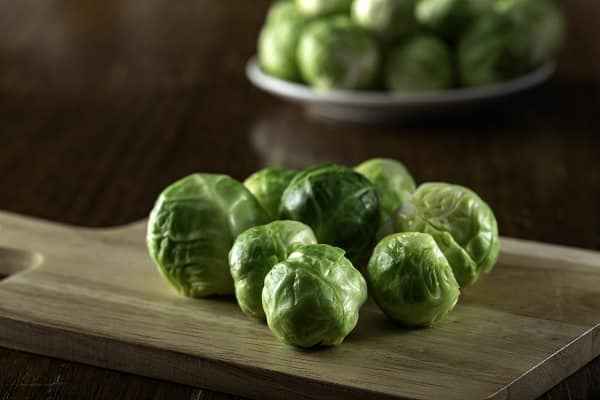
Brussels sprouts contain nutrition high in vitamin K, vitamin A, and vitamin C. Apart from that, it is a rich source of fiber that will keep your gut health well. Did you know fruits and vegetables rich in fiber can help you deal with obesity?
Brussel sprouts need cold weather to grow. However, they will sprout at a higher temperature. Full sun with moist soil is ideal for Brussels sprout growth, ensuring you prepare the ground thoroughly. Sow seeds one-half-inch deep and around five inches apart. It usually takes around a week to sprout. Regular watering is highly essential for the proper growth of Brussel sprouts. They can be susceptible to worms, and therefore to keep them protected, check them regularly.
Final note!
Preparing the soil and sowing the seeds are not the only steps to a healthy growing vegetable garden. You should cater to other factors, such as adequate sunlight, water requirements, soil requirements, and pest control for better growth. Also, go the organic way and do not indulge in covering your soil with too much fertilizer or pesticides. One can come up with safer alternatives and organic approaches to deal with growing the right way. Creating compost at home is also a great way of segregating the wet waste from the dry and making good use of the leftovers.
Having your vegetable garden sounds like a perfect plan as you can freshly pick them up as and when required. Apart from all the health benefits discussed above, having your garden will keep you on your feet. It will be an excellent physical exercise to indulge yourself in for some good physical and mental health as well as self-being and self-care.