Be it a beginner or a usual consumer, growing veggies may sound easy, but it may not be, especially when you decide if your required vegetable has to be grown from a seed or a transplant. Well, seeds are cost-friendly, easy to reproduce, and offer variety. Some plants like tomatoes and eggplants can be tough on seeds, and therefore, using transplants could be a great start to your vegetable garden.
Green Leafy Vegetables

As amusing as they may seem, green leafy vegetables are essential sources of iron, vitamin C, vitamin K, manganese, calcium, and fiber.
Spinach
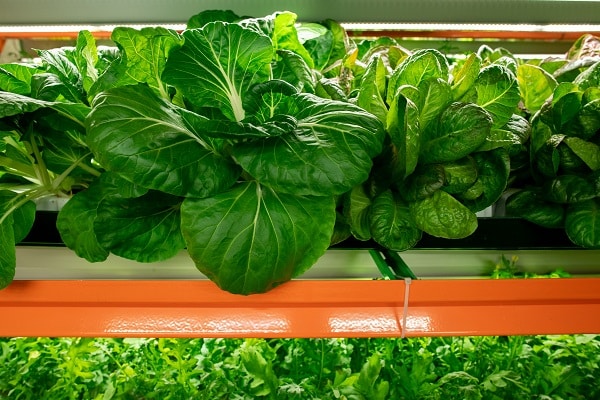
Spinach is a superfood due to its enormous benefits in regulating blood sugar levels, being chemotherapeutics, and maintaining good bone health.
Spinach is one of the fastest-growing vegetables, so you have to decide if you want to grow it indoors and then relocate it outside the house. Because it can quickly seed, you can re-seed it instead of increasing it every time. Take a pot and fill it with some moist soil. Next, place seeds into it and water daily. Spinach needs full sunlight with some partial shade and requires well-hydrated neutral pH soil.
Cabbage
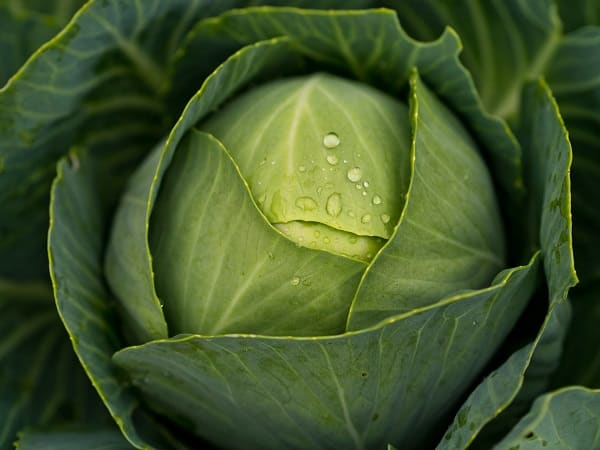
Cabbage includes a variety of colors that give a lavishing look to your salad. Apart from their catchy look, they have tons of nutrients that contain fibers, folate, manganese, potassium, vitamin C, and vitamin K.
Make sure that the soil is well hydrated and contains organic matter. If not, then prepare organic beds that have compost or commercial organic mix. Sow the seed into the soil and space them about 60 cm apart for better growth. Water regularly as cabbages require abundant water. Cabbage grows best in long-cool regions where the temperature is around 44 to 75 degrees Fahrenheit, so sow seeds during spring.
Potatoes

Well, there isn’t any vegetable as versatile as potato. Fries, chips, BBQ, and more! It can blend itself almost everywhere, and that is the true specialty of this underestimated vegetable. Potatoes are high in calories, fiber, potassium, phosphorus, and vitamins. Being antioxidants components, they can keep the inflammatory reaction at bay and contain resistant starch, regulating blood sugar levels. Most importantly, they are excellent sources of fiber that can help you flush the unrequired waste out of your body to maintain a well-balanced gut microflora.
Potatoes quickly grow in wooden boxes, so all you need to do is build a wooden bottomless square box. Loosen the soil and place seeds into it. Make sure to set them apart for better growth. Until the potatoes grow, add more and more soil so that the wooden bed gets covered well. Also, water the soil occasionally. If you have potatoes that are beginning to sprout with bulb-like structures growing on them then, plant the potato in a roomy pot covered with soil and let it grow.