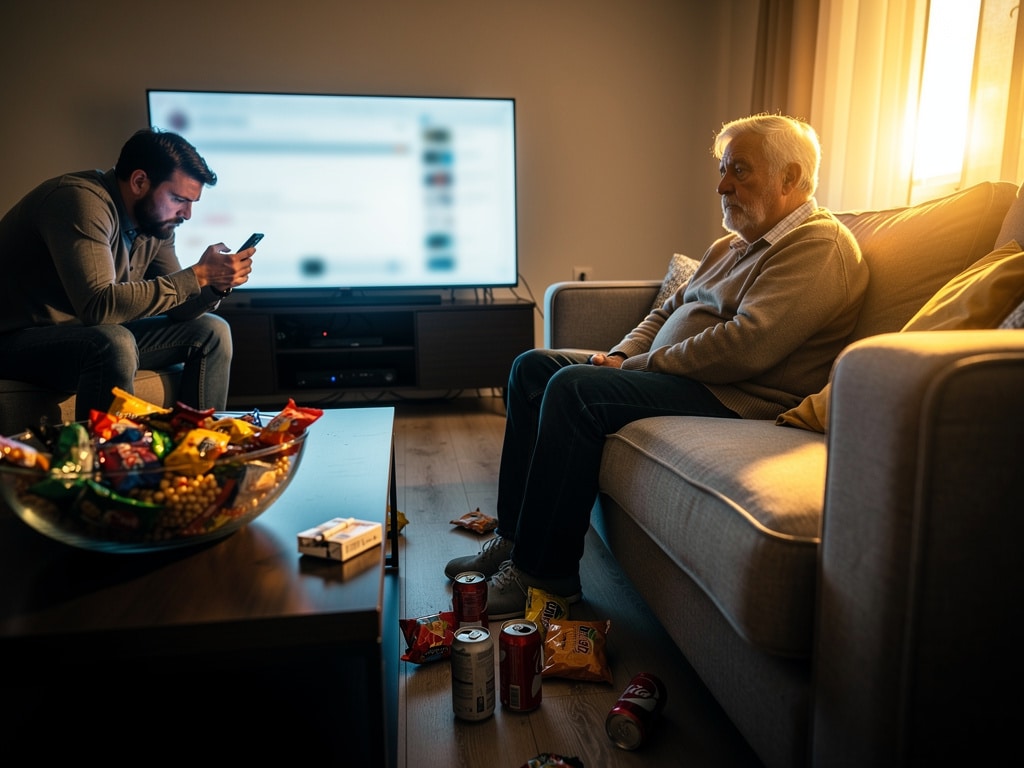

Helping a Loved One

If your loved one shows signs of mental illness, have an open and honest discussion with him or her about your concerns. You may not be able to force someone to get professional care, but you can offer encouragement and support. You can also help your loved one find a qualified mental health professional and make an appointment. You may even be able to go along to the appointment.
If your loved one has done self-harm or is considering doing so, take the person to the hospital or call for emergency help.
Causes

Mental illnesses, in general, are thought to be caused by a variety of genetic and environmental factors:
-
- Inherited traits. Mental illness is more common in people whose blood relatives also have a mental illness. Certain genes may increase your risk of developing a mental illness, and your life situation may trigger it.
- Environmental exposures before birth. Exposure to environmental stressors, inflammatory conditions, toxins, alcohol, or drugs while in the womb can sometimes be linked to mental illness.
- Brain chemistry. Neurotransmitters are naturally occurring brain chemicals that carry signals to other parts of your brain and body. When the neural networks involving these chemicals are impaired, the function of nerve receptors and nerve systems change, leading to depression and other emotional disorders.
Risk Factors

Certain factors may increase your risk of developing a mental illness, including:
-
- A history of mental illness in a blood relative, such as a parent or sibling
- Stressful life situations, such as financial problems, a loved one’s death or a divorce
- An ongoing (chronic) medical condition, such as diabetes
- Brain damage as a result of a serious injury (traumatic brain injury), such as a violent blow to the head
- Traumatic experiences, such as military combat or assault
- Use of alcohol or recreational drugs
- A childhood history of abuse or neglect
- Few friends or a few healthy relationships
- A previous mental illness
Mental illness is common. About 1 in 5 adults has a mental illness in any given year. Mental illness can begin at any age, from childhood through later adult years, but most cases begin earlier in life.
The effects of mental illness can be temporary or long-lasting. You also can have more than one mental health disorder at the same time. For example, you may have depression and a substance use disorder.
Complications

Mental illness is a leading cause of disability. Untreated mental illness can cause severe emotional, behavioral, and physical health problems. Complications sometimes linked to mental illness include:
-
- Unhappiness and decreased enjoyment of life
- Family conflicts
- Relationship difficulties
- Social isolation
- Problems with tobacco, alcohol, and other drugs
- Missed work or school, or other problems related to work or school
- Legal and financial problems
- Poverty and homelessness
- Self-harm and harm to others, including suicide or homicide
- Weakened immune system, so your body has a hard time resisting infections
- Heart disease and other medical conditions
Prevention

There’s no sure way to prevent mental illness. However, if you have a mental illness, taking steps to control stress, to increase your resilience, and to boost low self-esteem may help keep your symptoms under control. Follow these steps:
-
- Pay attention to warning signs. Work with your doctor or therapist to learn what might trigger your symptoms. Make a plan so that you know what to do if symptoms return. Contact your doctor or therapist if you notice any changes in symptoms or how you feel. Consider involving family members or friends to watch for warning signs.
- Get routine medical care. Don’t neglect checkups or skip visits to your primary care provider, especially if you aren’t feeling well. You may have a new health problem that needs to be treated, or you may be experiencing side effects of medication.
- Get help when you need it. Mental health conditions can be harder to treat if you wait until symptoms get worse. Long-term maintenance treatment also may help prevent a relapse of symptoms.
- Take good care of yourself. Sufficient sleep, healthy eating, and regular physical activity are important. Try to maintain a regular schedule. Talk to your primary care provider if you have trouble sleeping or if you have questions about diet and physical activity.