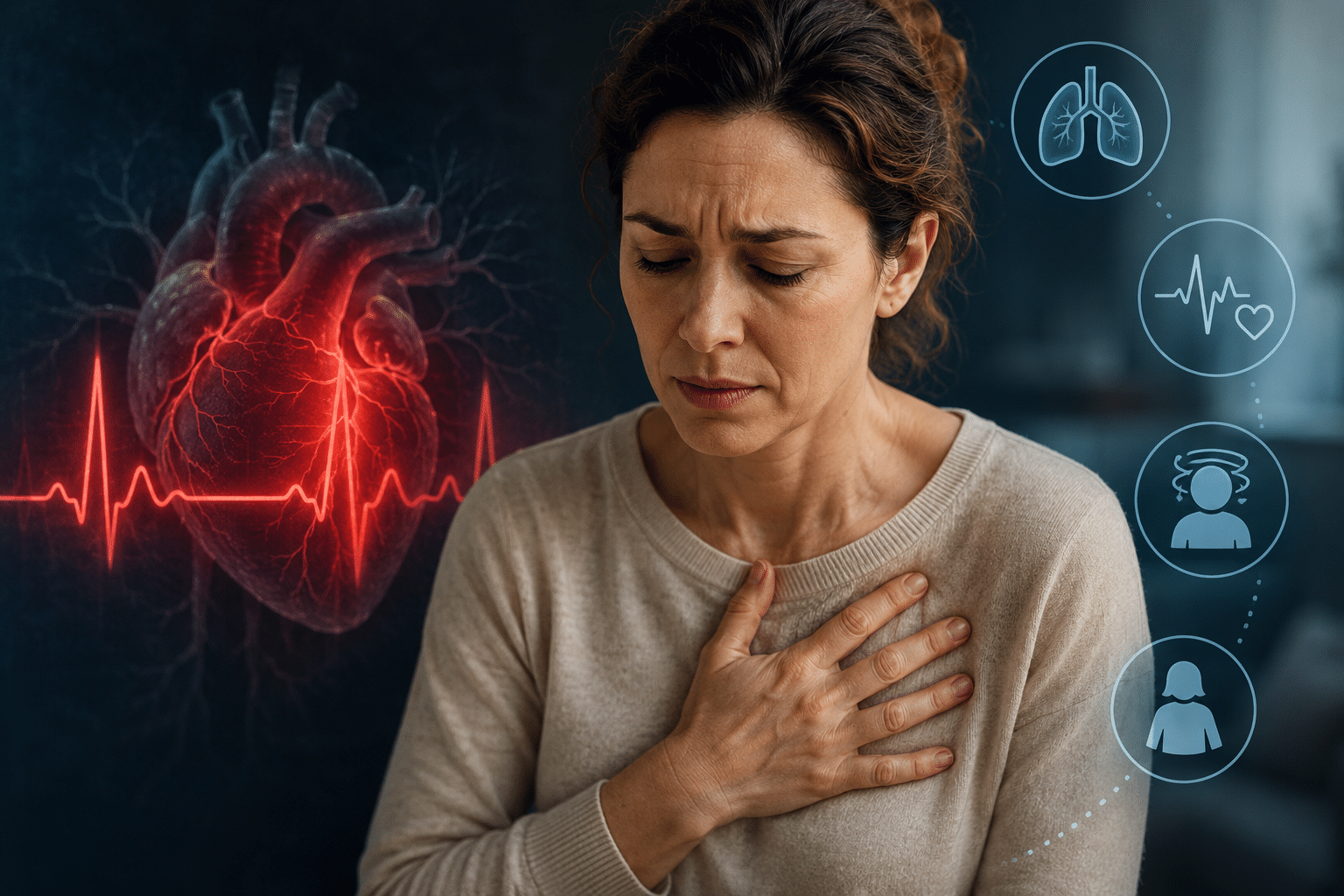
Cardiovascular disease remains one of the leading health challenges globally, claiming millions of lives each year. The intricacies of this health condition intertwine with lifestyle choices, genetics, and environmental factors. Although medical advancements offer hope and improved outcomes, prevention emerges as the frontline defense. A comprehensive approach involving diet, exercise, and other healthy habits is pivotal to mitigate risk factors and foster a heart-healthy life. This blog unfolds the tapestry of actionable steps, grounded in scientific insights, to engrain these habits in daily living, steering clear of cardiovascular disease.
Diet And Nutrition

A heart-healthy diet is a cornerstone in the prevention of cardiovascular disease. The consumption of foods rich in omega-3 fatty acids, like salmon and flaxseeds, is proven to reduce inflammation and lower blood pressure. Fruits and vegetables, abundant in antioxidants and fiber, play a crucial role in mitigating the effects of oxidative stress and enhancing digestive health. Reducing the intake of processed foods, sugars, and excessive sodium, which are known contributors to heart-related ailments, is equally essential.
Nutritional balance is key; it’s not just about eliminating harmful foods but also incorporating beneficial ones. Whole grains, lean proteins, and plant-based foods contribute to a well-rounded diet that supports overall heart health. The inclusion of nuts, legumes, and seeds can provide essential nutrients and antioxidants that combat cardiovascular disease. Understanding and implementing a nutritionally rich and balanced diet is an initial step towards fostering a heart-friendly lifestyle.
Regular Exercise

Physical activity is another pillar of heart health, serving multiple beneficial purposes. Regular exercise strengthens the heart muscle, improves blood circulation, and aids in maintaining optimal blood pressure and cholesterol levels. Cardiovascular activities such as walking, swimming, and cycling are particularly beneficial. They not only enhance physical endurance but also contribute to metabolic efficiency, ensuring that the body’s systems operate in harmony.
Exercise need not be overly strenuous to be effective. Consistency and engagement in a variety of physical activities can yield significant benefits. Even moderate-intensity exercises, when done regularly, promote cardiovascular health. They assist in weight management, reducing the risk of obesity—a significant risk factor for heart disease—and instill a sense of overall well-being, creating a positive feedback loop that encourages the maintenance of a regular exercise routine.
Stress Management

The invisible yet potent force of stress weaves itself intricately into the fabric of cardiovascular health. When stress becomes chronic, it can elevate blood pressure, trigger inflammatory responses, and exacerbate existing heart conditions. Techniques such as mindfulness meditation, deep breathing, and progressive muscle relaxation have shown efficacy in curtailing the physiological impacts of stress. Engagement in leisure activities and hobbies also plays a pivotal role in breaking the cycle of chronic stress, offering mental respite and emotional balance.
Moreover, fostering social connections and relationships contributes to stress reduction. Support networks, whether they be friends, family, or community groups, offer emotional support, encourage positive lifestyle choices, and provide outlets for relaxation and enjoyment. Balancing professional obligations with personal well-being and adopting practices that encourage mental and emotional health are critical to mitigating the effects of stress on the heart.
Quitting Smoking And Limiting Alcohol

The perils of smoking in relation to cardiovascular health are well documented. Tobacco smoke contains a toxic amalgamation of chemicals that inflict damage to the heart and blood vessels, leading to the narrowing of the arteries (atherosclerosis), which can ultimately result in a heart attack. Quitting smoking is therefore paramount; the body begins to repair itself almost immediately, improving circulation and decreasing the risk of heart disease.
Alcohol, when consumed in moderation, can potentially have some health benefits. However, excessive consumption is detrimental, leading to increased blood pressure, cardiomyopathy, and arrhythmias. It is essential to adhere to recommended guidelines for alcohol consumption. Abstaining or limiting intake can significantly reduce the risk of cardiovascular complications and promote overall well-being.