A stroke occurs when blood flow to part of the brain is interrupted or reduced, preventing brain tissue from receiving the oxygen and nutrients it needs to function properly. While strokes are often associated with sudden and severe symptoms, many begin with subtle warning signs that can appear hours or even days in advance. Recognizing these early indicators is essential, as timely medical intervention can significantly reduce the risk of long-term damage or death. Understanding what to watch for, and how these symptoms develop, can help individuals respond quickly and potentially prevent a more serious medical emergency.
What Happens in the Body During a Stroke
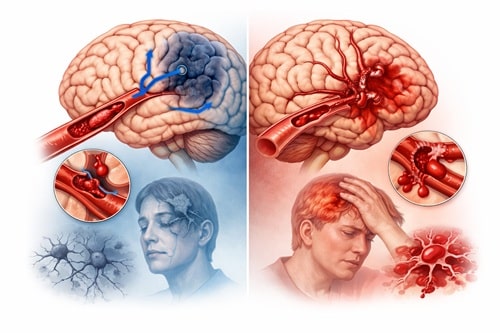
A stroke develops when the brain’s blood supply is disrupted, either by a blockage or a rupture in a blood vessel. The most common type, known as an ischemic stroke, occurs when a clot prevents blood from reaching part of the brain. A hemorrhagic stroke, on the other hand, happens when a blood vessel breaks and causes bleeding within or around the brain. In both cases, brain cells are deprived of oxygen, which leads to rapid damage that can become permanent if not treated quickly.
The brain controls essential functions such as movement, speech, memory, and coordination, so any interruption in blood flow can have immediate and noticeable effects. Damage begins within minutes, and the longer the brain is without adequate blood supply, the more severe the outcome can become. Early symptoms often reflect the specific area of the brain affected, which is why they can vary from person to person. Understanding these underlying processes highlights why even mild or temporary symptoms should be taken seriously and evaluated as soon as possible.
Sudden Numbness or Weakness on One Side of the Body

One of the most recognizable early warning signs of a stroke is sudden numbness or weakness, particularly on one side of the body. This symptom often affects the face, arm, or leg and may begin as a mild sensation that gradually becomes more noticeable. For example, a person might experience difficulty lifting one arm, or they may notice that one side of their face appears to droop when attempting to smile. These changes occur because the brain’s ability to send signals to muscles is disrupted.
This type of one-sided weakness is especially important because it is strongly associated with neurological conditions like stroke. In some cases, the symptom may appear briefly and then disappear, leading individuals to dismiss it as temporary fatigue or discomfort. However, even short-lived episodes can indicate a serious underlying issue that requires medical attention. Recognizing these early signs and acting quickly can help prevent further progression and reduce the risk of long-term impairment.
Trouble Speaking or Understanding Speech

Difficulty with speech is another common early indicator of a stroke, and it can present in several different ways. A person may begin to slur their words, struggle to form coherent sentences, or find it difficult to pronounce familiar words. In some cases, speech may sound garbled or unclear, even though the individual is fully aware of what they want to say. These symptoms occur when areas of the brain responsible for language and communication are affected.
In addition to speaking difficulties, a person may also have trouble understanding what others are saying. This can lead to confusion during conversations, inappropriate responses, or an inability to follow simple instructions. Like other early warning signs, these issues may come and go, especially in the case of temporary disruptions in blood flow. Even if the symptoms resolve quickly, they should not be ignored, as they can signal a heightened risk of a more severe stroke in the near future.
Vision Problems That Appear Suddenly

Sudden changes in vision are another important early warning sign of a stroke, and they can affect one or both eyes. Individuals may experience blurred vision, double vision, or a partial loss of sight that makes it difficult to see clearly. In some cases, vision may appear dim or shadowed, particularly on one side, depending on which part of the brain is affected. These disruptions occur because the brain plays a central role in processing visual information received from the eyes.
Vision problems can be especially concerning because they may appear briefly and then improve, leading some individuals to overlook them. However, even temporary vision disturbances can indicate that blood flow to the brain has been compromised. When combined with other symptoms such as weakness or confusion, the likelihood of a stroke increases significantly. Paying close attention to sudden visual changes and seeking medical evaluation can help identify the issue before it progresses further.