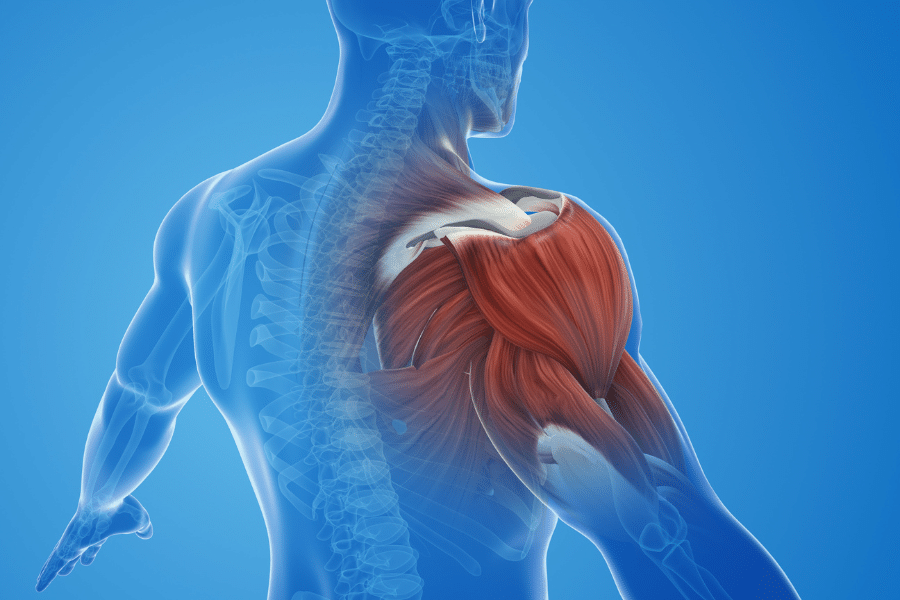
Preventing muscle strain is essential for maintaining overall muscle health and avoiding discomfort in daily life and physical activities. Muscle strain is a common issue that can affect anyone, from athletes to individuals with sedentary lifestyles. Incorporating regular stretching into your routine is a simple yet effective way to keep your muscles flexible and resilient. This article will guide you through understanding muscle strain, the benefits of stretching, and specific stretches that target different muscle groups, helping you stay injury-free and maintain optimal muscle function.
Understanding Muscle Strain

Muscle strain, often referred to as a pulled muscle, occurs when muscle fibers are overstretched or torn. This can result from overuse, poor posture, or sudden, awkward movements. Muscle strain can cause various symptoms, including pain, soreness, swelling, and limited range of motion. Recognizing these early signs is crucial for addressing the issue promptly and preventing further damage.
It’s important to understand the underlying causes of muscle strain to take preventive measures effectively. Overuse happens when muscles are subjected to repetitive movements without adequate rest. Poor posture, often resulting from prolonged sitting or improper body alignment, puts unnecessary stress on muscles. Sudden movements, such as lifting heavy objects incorrectly or participating in high-intensity sports without proper warm-up, can also lead to muscle strain. By identifying these risk factors, you can implement strategies to minimize their impact on your muscle health.
Benefits of Stretching

Stretching plays a vital role in preventing muscle strain by enhancing flexibility, improving blood flow, and reducing muscle tension. When muscles are flexible, they are less likely to experience tears and strains during physical activity. Improved blood flow ensures that muscles receive adequate oxygen and nutrients, promoting quicker recovery and reducing soreness. Additionally, stretching helps alleviate muscle tension, preventing tightness that can lead to strain.
Beyond preventing muscle strain, stretching offers numerous other benefits that contribute to overall physical well-being. Regular stretching can enhance performance in physical activities by increasing the range of motion and making movements more efficient. It also reduces the risk of injuries by preparing muscles for the demands of various activities. Furthermore, stretching promotes relaxation and stress relief, helping to calm the mind and body. By incorporating stretching into your daily routine, you can enjoy these comprehensive benefits and support your muscle health.
Warm-Up Stretches

Warming up before stretching is essential to prepare your muscles for the upcoming activity and to prevent injury. Warm-up exercises gradually increase your heart rate and blood flow to the muscles, making them more pliable and ready for stretching. Examples of effective warm-up exercises include light jogging or walking, arm circles, and leg swings. These activities gently elevate your body temperature and loosen up your muscles, setting the stage for a productive stretching session.
Incorporating warm-up stretches into your routine ensures that your muscles are adequately prepared for more intensive stretching. Light jogging or walking can be done for about five minutes to get your blood flowing. Arm circles help to mobilize your shoulder joints and warm up the upper body, while leg swings target the hips and lower body. Performing these warm-up exercises not only enhances the effectiveness of your stretching routine but also reduces the risk of muscle strain and injury. By taking a few minutes to warm up, you can maximize the benefits of your stretches and maintain muscle health.
Upper Body Stretches

Upper body stretches are crucial for maintaining flexibility and preventing muscle strain in the neck, shoulders, and chest. One effective neck stretch involves gently tilting your head side-to-side and forward-backward, holding each position for about 15-20 seconds. Shoulder stretches such as the cross-arm stretch, where you pull one arm across your chest with the opposite hand, and the overhead triceps stretch, where you extend one arm overhead and use the opposite hand to push the elbow gently, help to release tension in the shoulder muscles.
Chest stretches are equally important for maintaining an open and flexible upper body. The doorway stretch is an excellent example, where you place your hands on either side of a doorway and gently lean forward until you feel a stretch across your chest. Hold this position for about 15-20 seconds. These upper body stretches are simple yet effective in reducing muscle tightness and improving overall upper body mobility. Consistently incorporating them into your routine can help prevent muscle strain and maintain flexibility in the upper body.