

Lower Body Stretches
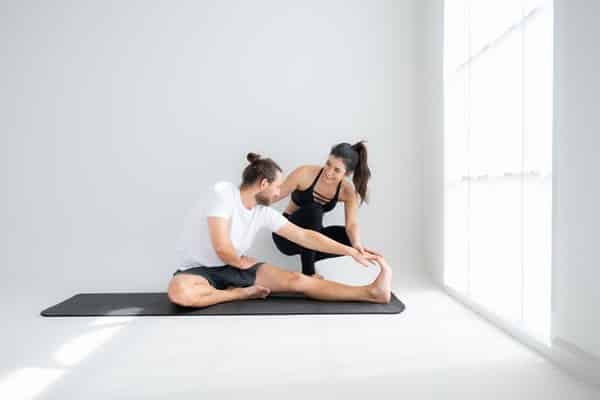
Lower body stretches target the hamstrings, quadriceps, and calves, which are prone to strain due to activities like running, jumping, and even prolonged sitting. The hamstring stretch can be performed seated or standing. For the seated hamstring stretch, sit on the ground with one leg extended and the other bent, reaching toward the toes of the extended leg. Hold for about 15-20 seconds before switching legs. Standing quad stretches involve pulling one foot towards your buttocks while balancing on the opposite leg, holding for 15-20 seconds.
Calf stretches are essential for relieving tension in the lower legs. The wall push stretch is a simple yet effective method: place your hands on a wall at shoulder height, step one foot back, and press the heel of the back foot into the ground while bending the front knee. Hold this stretch for 15-20 seconds before switching sides. Regularly performing these lower body stretches can help improve flexibility, reduce muscle tension, and prevent strains in the lower body. Incorporating these stretches into your routine ensures your legs are prepared for various physical activities and daily tasks.
Full Body Stretches

Full body stretches are beneficial for enhancing overall flexibility and maintaining balance in the body’s muscle groups. The Cat-Cow stretch, commonly used in yoga, is excellent for spine flexibility. Begin on all fours, arching your back (Cat position) and then dipping it down (Cow position), moving smoothly between the two. This stretch not only improves spinal mobility but also engages the core muscles, promoting stability and balance.
Another effective full body stretch is the Downward Dog, which targets the hamstrings, calves, and shoulders. Start in a plank position, then lift your hips towards the ceiling, forming an inverted V-shape with your body. Hold for about 15-20 seconds, feeling the stretch along your posterior chain. The Child’s Pose is another relaxing full body stretch: kneel on the ground, sit back on your heels, and stretch your arms forward, bringing your forehead to the ground. This pose helps to elongate the spine, stretch the back muscles, and promote relaxation. Incorporating these full body stretches into your routine can help maintain overall flexibility and prevent muscle strain.
Stretching Routine and Tips
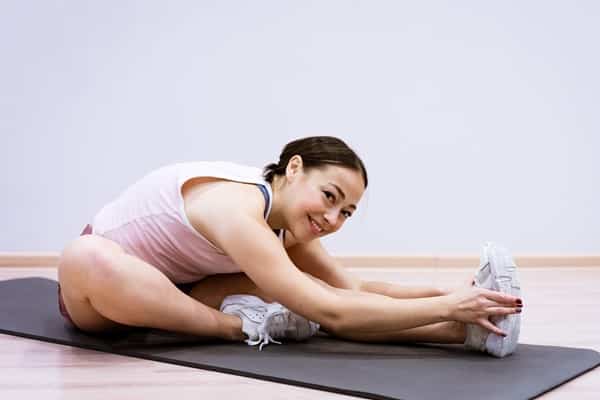
Establishing a consistent stretching routine is key to preventing muscle strain and maintaining flexibility. A balanced daily stretching routine might look like this: begin with a 5-minute warm-up, followed by 5-10 minutes of upper body stretches, 5-10 minutes of lower body stretches, and conclude with 5-10 minutes of full body stretches. This structure ensures that all major muscle groups are addressed, promoting overall muscle health and reducing the risk of strain. Consistency is crucial; aim to stretch at least three to five times a week to see significant benefits.
In addition to consistency, there are several tips to enhance the effectiveness of your stretching routine. Focus on deep, steady breathing during each stretch to help relax your muscles and deepen the stretch. Avoid bouncing or jerking movements, as these can cause injury; instead, hold each stretch for about 15-20 seconds and gently ease into it. Listen to your body and avoid pushing into pain—stretching should be challenging but not painful. Incorporate these tips into your routine to maximize the benefits and maintain muscle health.
Reaping the Benefits of Regular Stretching
Regular stretching is a simple yet powerful way to prevent muscle strain and enhance overall muscle health. By incorporating the stretches and tips outlined in this guide, you can improve flexibility, reduce muscle tension, and lower the risk of injuries. Remember to warm up before stretching and maintain proper form to get the most out of your routine. Consistency is key; make stretching a regular part of your daily activities. Embrace these practices, and you’ll enjoy the long-term benefits of relaxed, resilient muscles and a more flexible, healthy body.