The overuse of antibiotics is a growing global concern with significant consequences for human health. As antibiotics have become more readily available, their misuse has led to the development of antibiotic-resistant bacteria, rendering once easily treatable infections much more difficult to combat. This article will explore the dangers of overusing antibiotics, the responsibility of various stakeholders in addressing this issue, and potential solutions to prevent further damage to healthcare systems.
The Misconceptions About Antibiotics
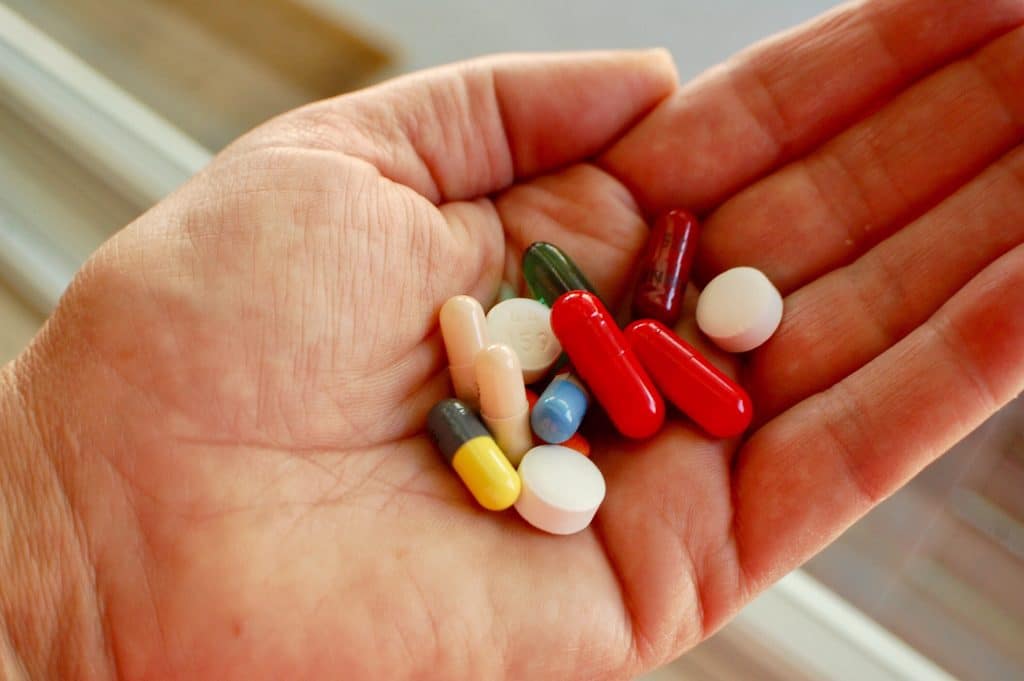
Many misconceptions about antibiotics contribute to their overuse. One of the most common misunderstandings is that antibiotics can treat viral infections, such as the common cold or the flu. However, antibiotics are only effective against bacterial infections, and using them for viral infections provides no benefit and contributes to antibiotic resistance.
Another misconception is that taking antibiotics as a preventative measure can help avoid infections. While there are some situations where prophylactic antibiotics are appropriate, such as before certain surgeries or for people with specific medical conditions, using them without clear medical need can lead to resistance and a weakened immune system. Understanding how antibiotics work and when necessary is crucial to curbing their overuse.
The Risks Of Overusing Antibiotics

The primary risk associated with the overuse of antibiotics is the development of antibiotic-resistant bacteria. Antibiotic use inappropriately can create selective pressure that allows resistant bacteria to survive and multiply. Over time, this can lead to entire strains of bacteria becoming resistant to the drugs that were once effective against them, making infections increasingly difficult to treat.
The potential for antibiotic-resistant infections to become untreatable poses a serious public health threat. Infections that were once easily managed could become life-threatening. Even common medical procedures that rely on antibiotics to prevent infections, such as surgeries and cancer treatments, could become much riskier. The consequences of antibiotic resistance cannot be overstated, and it is essential to address this growing issue.
How Antibiotic Resistance Develops

Antibiotic resistance occurs when bacteria evolve in response to exposure to antibiotics. Bacteria are constantly changing and adapting through genetic mutations. When exposed to antibiotics, those with genes that allow them to resist the drug’s effects have a survival advantage. These resistant bacteria can then multiply and spread, leading to the emergence of antibiotic-resistant strains.
The widespread use of antibiotics in various sectors contributes to the rapid development and spread of resistance. The overuse of antibiotics accelerates this process by providing more opportunities for bacteria to develop resistance. This includes the inappropriate use of antibiotics in human medicine and agriculture, where antibiotics are often used in large quantities to promote growth and prevent disease in livestock.
The Global Impact Of Antibiotic Resistance

The World Health Organization (WHO) has identified antibiotic resistance as one of the most significant threats to global health, food security, and development. The consequences of antibiotic resistance extend far beyond individual patients and healthcare systems. As resistant bacteria spread, they cross borders and affect people in every corner of the world.
The far-reaching implications of antibiotic resistance make it a critical issue that requires international cooperation and action. Economically, antibiotic resistance can lead to increased healthcare costs due to longer hospital stays and the need for more expensive treatments. It can also impact food production as antibiotic-resistant infections spread through livestock, leading to lower productivity and increased costs.