Contents
Changes in Memory or Cognitive Function

Memory changes can occur with age, but noticeable shifts in cognitive function should not be ignored. Occasional forgetfulness, such as misplacing items or forgetting names, can be normal, but more significant issues may signal a deeper concern. Difficulty following conversations, struggling to complete familiar tasks, or becoming confused in known environments are all warning signs that require attention. These changes may be linked to conditions such as mild cognitive impairment, dementia, medication side effects, or nutritional deficiencies that affect brain function.
As cognitive changes progress, they can begin to interfere with daily independence and decision-making. Family members or close friends are often the first to notice subtle differences, such as repeated questions or unusual behavior. Early evaluation can help determine whether the changes are part of a manageable condition or something more serious that requires ongoing care. Identifying the cause early allows for better planning, treatment options, and support systems. Paying attention to these signs can make a meaningful difference in maintaining quality of life and safety.
Shortness of Breath or Breathing Difficulties

Breathing changes should always be taken seriously, especially when they occur suddenly or without clear cause. While mild shortness of breath may happen during physical exertion, experiencing it during rest or minimal activity is not typical. This symptom can be associated with heart conditions, lung disease, or reduced oxygen levels in the blood. Additional signs such as wheezing, persistent coughing, or chest tightness may indicate that the respiratory or cardiovascular system is under strain.
In some cases, individuals may gradually adjust to breathing difficulties, limiting their activity without realizing the severity of the issue. This can delay diagnosis and allow underlying conditions to worsen over time. Shortness of breath that disrupts sleep, occurs when lying down, or is accompanied by swelling in the legs may point to more serious concerns such as heart failure. Prompt medical evaluation is essential, particularly when symptoms appear suddenly or intensify. Addressing breathing issues early can help prevent complications and improve overall function.
Changes in Bowel or Bladder Habits
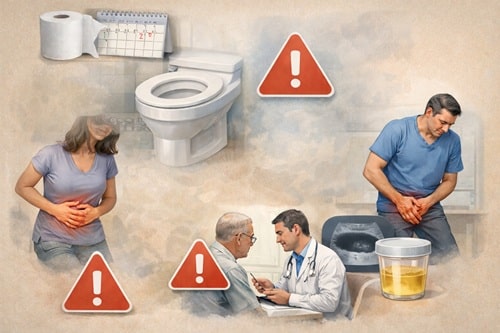
Alterations in bowel or bladder habits can be easy to overlook, but they often provide important clues about overall health. Changes such as increased frequency, urgency, or difficulty controlling bladder function may indicate infections, prostate issues, or neurological conditions. Similarly, persistent constipation, diarrhea, or noticeable changes in stool appearance can signal digestive disorders or other underlying problems. These symptoms may develop gradually, making them easy to dismiss unless patterns are carefully observed.
More serious warning signs include the presence of blood in the stool or urine, ongoing discomfort, or unexplained changes that persist over time. These symptoms can be linked to conditions affecting the gastrointestinal or urinary systems, including infections or more serious diseases. Early detection is critical, as many of these conditions are more manageable when identified in their initial stages. Monitoring regular habits and recognizing when something feels different can help guide timely medical evaluation. Taking these changes seriously supports better long-term health and reduces the risk of complications.
Skin Changes and Unusual Growths
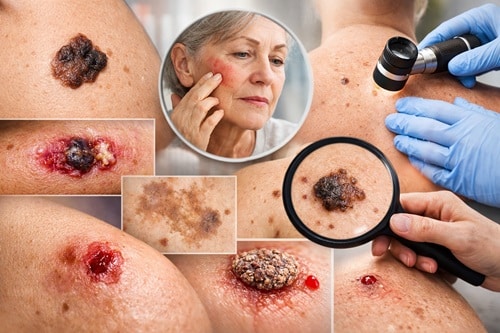
The skin often reflects changes happening inside the body, making it an important area to monitor over time. While some changes such as dryness or thinning are common with age, new or unusual developments should not be ignored. The appearance of new moles, changes in the size, shape, or color of existing moles, or sores that do not heal can be warning signs of more serious conditions. Skin may also become more sensitive or develop patches of discoloration that were not present before, which can indicate underlying issues that require evaluation.
In addition to visible changes, sensations such as itching, tenderness, or bleeding in certain areas of the skin can provide important clues. Growths that become raised, irregular, or begin to spread should be examined as soon as possible. Early detection plays a critical role in addressing conditions such as skin cancer or other dermatological disorders. Regular self-checks and routine skin examinations by a healthcare professional can help identify concerns before they progress. Paying close attention to these changes supports overall health and allows for more effective treatment when needed.
Why Paying Attention to These Signs Matters
Recognizing changes in the body after the age of 65 plays an essential role in maintaining overall health and independence. While some symptoms may seem minor or easy to dismiss, they can sometimes point to underlying conditions that benefit from early attention. Monitoring physical and cognitive changes, along with maintaining regular medical checkups, can help identify concerns before they become more serious. Acting on warning signs promptly allows for more effective treatment and better long-term outcomes. Staying aware of how the body feels and functions supports a higher quality of life and helps reduce the risk of complications over time.