

Potential Challenges and Barriers
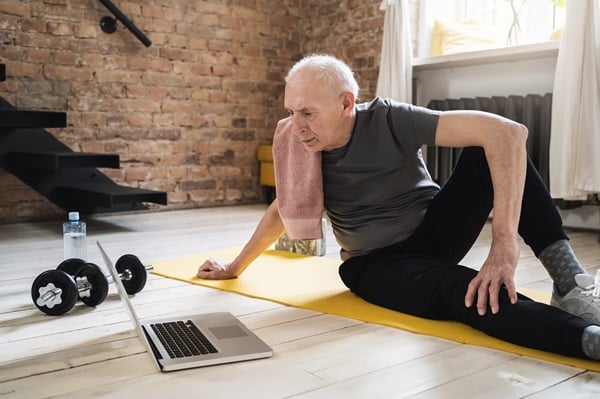
While AI fitness coaches offer significant promise, there are challenges that could limit their effectiveness for seniors. Technological literacy remains a barrier, as some older adults may struggle with navigating apps or devices. User-friendly interfaces are essential, but many tools still lack the simplicity needed for widespread adoption. This technological gap risks excluding seniors who could benefit most from these innovations.
Privacy concerns also arise when using AI fitness tools, as they often collect sensitive health data. Seniors may hesitate to trust devices that store or share personal information, particularly if security measures are unclear. Additionally, while AI can customize fitness plans, it may fail to account for unique medical conditions or personal preferences without human input. Balancing innovation with accessibility and security is crucial to ensuring AI fitness coaches serve seniors effectively.
Role of Human Interaction in Senior Wellness

Human interaction plays a vital role in fitness, especially for seniors who thrive on emotional support and connection. AI fitness coaches can complement, but not replace, the encouragement that human trainers or workout partners provide. Group fitness classes or personal trainers offer not only guidance but also camaraderie, creating a sense of community. While AI excels at data-driven recommendations, it cannot replicate the empathy and intuition that come with human relationships.
However, AI can enhance human-led fitness programs by bridging gaps in accessibility and personalization. Hybrid models, where AI handles tracking and planning while humans provide motivation, may be the ideal balance. For example, a trainer could use AI-generated data to tailor exercises to a senior’s specific needs. By integrating technology with personal connection, seniors gain the best of both worlds: precise guidance and emotional encouragement.
The Future of AI in Senior Wellness
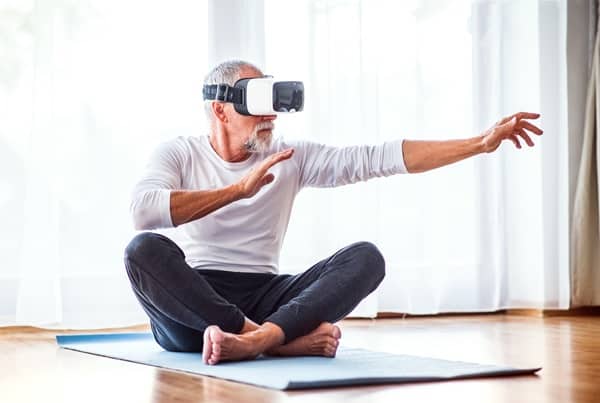
The future of AI in senior fitness is filled with exciting possibilities, from advancements in technology to broader accessibility. Innovations like predictive analytics could detect potential health issues before they become serious, offering preventative solutions. Virtual reality (VR) and augmented reality (AR) could transform exercise routines into immersive, engaging experiences, making fitness more enjoyable. These tools would cater specifically to seniors by focusing on safe, low-impact activities in stimulating environments.
Integration with telemedicine is another area of growth, as AI fitness coaches could work alongside healthcare providers to monitor and manage health conditions. As technology becomes more affordable, these tools could reach a wider audience, bridging the gap between innovation and accessibility. The combination of personalization, affordability, and integration positions AI fitness coaches as a transformative force in senior wellness. With continuous development, they hold the potential to redefine how seniors maintain their health and quality of life.
The Next Step in Senior Wellness Innovation
AI fitness coaches are paving the way for a more accessible and personalized approach to senior wellness. While they offer immense potential, combining these tools with human connection ensures a more balanced and effective fitness journey. From tailored workouts to innovative features like health monitoring and predictive analytics, AI can empower seniors to lead healthier, more active lives. By addressing barriers such as technological literacy and privacy concerns, the future of AI in senior fitness is bright, offering endless opportunities to improve quality of life for older adults.