
Household cleaning supplies are staples in homes worldwide, used to maintain cleanliness and hygiene. However, the very products that promise spotless surfaces might harbor hidden dangers due to the chemicals they contain. This post explores the risks associated with these chemicals, offering insight into safer alternatives that can protect your health without compromising on cleanliness. Understanding what’s in these products can empower you to make informed decisions about the cleaners you use in your home.
Common Chemicals in Cleaners and Their Risks
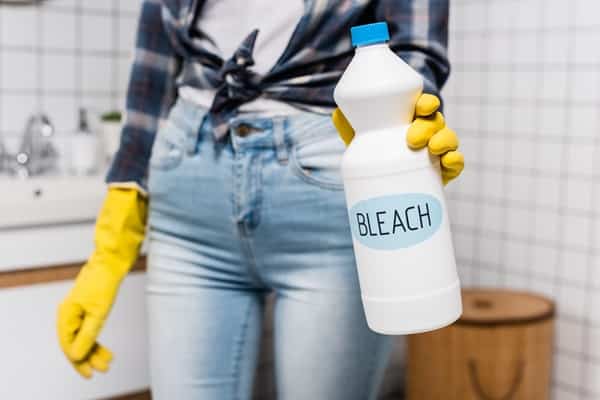
Household cleaners often include a range of chemicals that, while effective at disinfecting and cleaning, can pose serious health risks. Common chemicals such as ammonia, which is used for its powerful cleaning properties, and chlorine bleach, favored for its ability to whiten and disinfect, can cause respiratory irritation and exacerbate asthma when used in poorly ventilated spaces. Symptoms like coughing, shortness of breath, and skin irritation are common reactions to these potent substances.
Furthermore, studies have highlighted the long-term effects of regular exposure to these chemicals. Health organizations have documented the risks associated with volatile organic compounds (VOCs) found in many spray cleaners, which can volatilize at room temperature and are easily inhaled. Long-term exposure to VOCs is linked to more severe health issues, including chronic respiratory problems, and can even affect the central nervous system, liver, and kidneys. Such evidence makes it crucial for users to understand the potential health impacts and seek safer alternatives where possible.
Hidden Dangers in ‘Green’ and ‘Natural’ Products
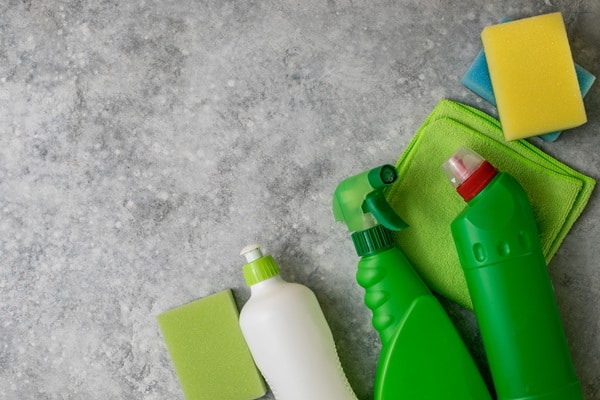
The marketing labels “green” and “natural” are often used to attract health-conscious consumers, but these terms are not always indicative of safety. Despite these appealing labels, some products contain ingredients that can still be harmful. This misleading practice can result in consumers using products that they believe are safe but may still pose health risks due to the inclusion of naturally derived yet toxic substances.
To combat this issue, it is essential for consumers to learn how to read and interpret ingredient labels on cleaning products accurately. Understanding what ingredients are truly harmful and knowing the regulatory standards for these labels can help you avoid inadvertently exposing yourself and your family to dangerous chemicals. This knowledge is a powerful tool in choosing products that are genuinely safe and effective, aligning with the green and natural ethos they claim to represent.
Impact of Long-Term Exposure to Chemical Cleaners

The long-term health effects of continuous exposure to chemical cleaning agents are a growing concern among health professionals. Even low-level, repeated exposure can accumulate over time, leading to significant health issues. For instance, individuals frequently exposed to cleaning fumes might experience chronic respiratory conditions, hormonal imbalances, or neurological symptoms due to the toxic nature of some chemical compounds found in these products.
Medical experts caution against the regular use of these chemicals, as they can disrupt normal bodily functions and even contribute to the development of chronic diseases such as asthma or other serious conditions. By understanding these risks and modifying cleaning habits, individuals can protect their health from the insidious effects of these seemingly benign household staples. Reducing exposure and opting for safer products can dramatically decrease the likelihood of developing health complications associated with chemical cleaners.