

Current Strategies to Combat Antibiotic Resistance

To combat antibiotic resistance, global health organizations and governments have implemented a range of strategies. These include promoting the rational use of antibiotics through stewardship programs, which aim to educate healthcare providers on proper prescription practices. Such programs are crucial for ensuring antibiotics are prescribed only when necessary and that the correct type and dose are used. Additionally, surveillance systems have been enhanced to monitor resistance patterns and track antibiotic use across human and animal populations, aiding in the timely adjustment of health policies and practices.
Innovation in pharmaceutical development is also a key focus. With many bacteria becoming resistant to existing drugs, the need for new antibiotics is clear. However, developing new antibiotics is costly and complex, prompting public-private partnerships to encourage more research and development. Furthermore, global campaigns to increase public awareness about the risks associated with antibiotic misuse and the importance of adhering to prescribed treatments are vital components of the strategy to curb resistance.
How Individuals Can Help Reduce Resistance

Individuals play a critical role in reducing antibiotic resistance, beginning with the judicious use of antibiotics. It is essential for patients to take antibiotics only when prescribed by a healthcare professional and to complete the full course of treatment, even if they feel better before the medication is finished. By doing so, they help ensure that all the bacteria are killed and reduce the chances of surviving bacteria developing resistance. Additionally, individuals can avoid asking for antibiotics when healthcare providers determine they are not necessary, such as for viral infections like the flu.
Preventive measures also significantly impact the spread of antibiotic-resistant bacteria. Practicing good hygiene, such as regular hand washing, can prevent infections from occurring and spreading. Vaccinations play a crucial role as well by reducing the number of infections that might require antibiotic treatment. Furthermore, individuals can advocate for and support policies that promote the responsible use of antibiotics in healthcare and agriculture, contributing to a collective effort to manage and reduce antibiotic resistance.
Future Directions and Innovations
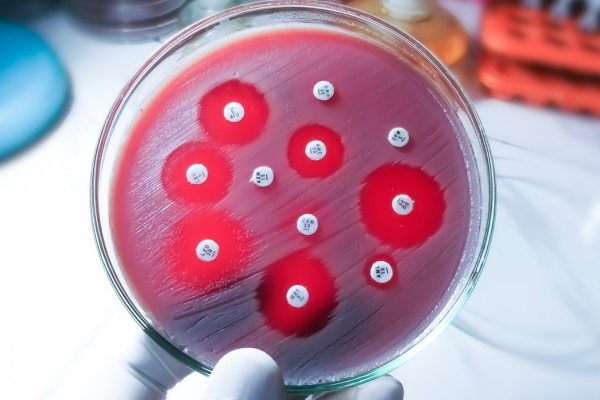
As antibiotic resistance continues to evolve, so too must the strategies to combat it. One promising area of research is the development of alternative therapies to antibiotics, such as bacteriophage therapy, which uses viruses to target and kill bacteria. These alternatives could reduce reliance on traditional antibiotics and potentially bypass some of the resistance mechanisms that bacteria have developed. Additionally, advancements in diagnostic technologies that quickly identify bacterial infections and their susceptibilities can help ensure the right antibiotic is used for the right infection, minimizing unnecessary use.
Furthermore, global cooperation is essential as antibiotic resistance does not recognize borders. Strengthening international collaborations to share data, research, and resources can enhance the global response to this threat. Engaging all sectors of society—including government, healthcare, agriculture, and the general public—in this fight is critical. By integrating efforts across multiple fronts, from policy to personal responsibility, the hope to manage antibiotic resistance more effectively and preserve the efficacy of antibiotics for future generations is kept alive.
Every Action Counts in Combating Resistance
As the world grapples with the escalating challenge of antibiotic resistance, it’s clear that this is a multifaceted issue requiring a unified response. The actions taken today—from adhering to prescribed antibiotic courses to supporting innovative research—will shape the ability to fight infections tomorrow. It is imperative for everyone to contribute to this cause, ensuring that antibiotics remain a viable defense against deadly infections for generations to come.