Contents
Vulnerable Populations and Air Pollution
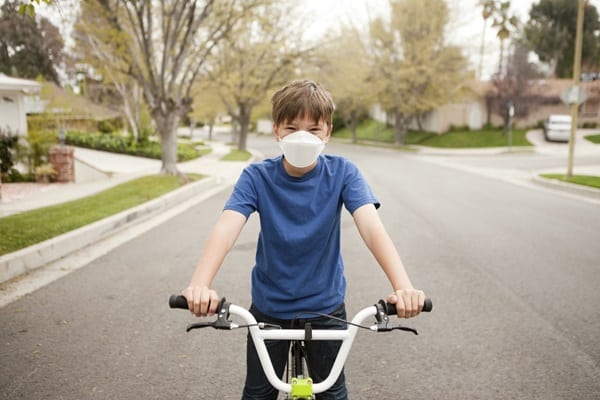
Children and the elderly are particularly vulnerable to the effects of air pollution due to their developing and aging lungs. Children’s respiratory systems are still growing, making them more susceptible to damage from pollutants. Similarly, older adults often have weakened immune systems and pre-existing health conditions, which can be exacerbated by poor air quality. Studies have shown higher rates of respiratory issues among these age groups during periods of high pollution. Protecting these vulnerable populations requires targeted measures to improve air quality and reduce exposure.
Individuals with pre-existing respiratory conditions, such as asthma or COPD, are also at greater risk from air pollution. Exposure to pollutants can trigger severe symptoms and lead to more frequent hospital visits. For these individuals, managing air quality is a critical component of maintaining their health. Public health policies aimed at reducing air pollution can significantly improve the quality of life for people with these conditions. Raising awareness about the heightened risks faced by vulnerable groups can drive collective action to combat air pollution.
Economic and Social Impact

The economic burden of air pollution-related lung diseases is substantial, impacting both individuals and healthcare systems. Treatments for chronic respiratory conditions, such as COPD and lung cancer, are costly and can lead to significant medical expenses. Hospitalizations, medication, and long-term care contribute to the financial strain on affected families. Furthermore, increased healthcare costs place a burden on public health systems, diverting resources from other essential services. Addressing air pollution can help reduce these economic pressures and improve overall public health.
Loss of productivity is another significant impact of air pollution-related lung diseases. Individuals suffering from respiratory issues often miss work or are less productive due to their health conditions. This absenteeism affects businesses and the broader economy, leading to a loss of workforce efficiency. The long-term economic consequences of a population burdened by chronic lung diseases can be profound. Implementing strategies to improve air quality can enhance public health and, consequently, economic productivity.
Mitigation Strategies and What You Can Do

Government and policy measures play a crucial role in reducing air pollution and protecting public health. Regulations on industrial emissions, vehicle exhaust standards, and initiatives to promote clean energy sources are essential steps. Successful examples include cities that have implemented strict air quality controls and seen significant improvements. Public transportation and urban planning that reduce reliance on cars can also contribute to cleaner air. Strong policies backed by scientific research are vital for long-term air quality improvement.
On a personal level, there are several actions individuals can take to reduce their exposure to air pollution. Using air purifiers indoors can help filter out harmful particles, especially during high pollution days. Limiting outdoor activities when air quality is poor and wearing masks designed to filter pollutants can also provide protection. Supporting and advocating for clean energy initiatives and sustainable practices in the community can contribute to broader change. By taking these steps, individuals can protect their health and contribute to the fight against air pollution.
Breathing Easier Starts with Action
Addressing air pollution is essential for safeguarding your respiratory health and ensuring a healthier future. By understanding the sources and impacts of pollutants, you can take informed actions to reduce exposure and advocate for stronger environmental policies. Protecting vulnerable populations and mitigating economic burdens are critical components of this effort. Personal and collective actions can lead to significant improvements in air quality. Together, communities and individuals can make a profound difference in the fight against air pollution.