Air pollution is an invisible threat that affects millions of people worldwide. Every day, harmful pollutants are released into the air you breathe, posing significant risks to your health. Understanding the impact of these pollutants on your lungs is crucial, as they can lead to both immediate and long-term health issues. This post will delve into the different types of air pollutants, how they affect the lungs, and the short- and long-term consequences of exposure. By the end, you’ll gain a clearer understanding of why reducing air pollution is essential for protecting your respiratory health.
Contents
- The Types of Air Pollutants and Their Sources
- How Air Pollutants Enter and Affect the Lungs
- Short-Term Health Effects of Air Pollution on the Lungs
- Long-Term Health Consequences of Air Pollution
- Vulnerable Populations and Air Pollution
- Economic and Social Impact
- Mitigation Strategies and What You Can Do
- Breathing Easier Starts with Action
The Types of Air Pollutants and Their Sources
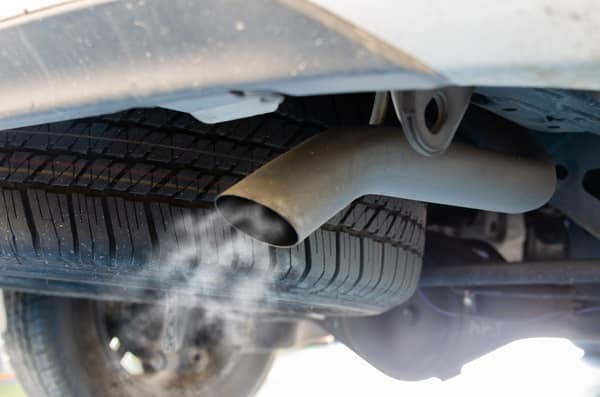
Particulate matter, particularly PM2.5 and PM10, consists of tiny particles that can penetrate deep into the lungs. These particles come from various sources, including vehicle emissions, industrial processes, and natural events like wildfires. PM2.5 particles are especially dangerous due to their small size, allowing them to bypass the body’s natural defenses. Exposure to high levels of particulate matter can cause respiratory issues and aggravate existing lung conditions. It’s crucial to recognize the sources of these pollutants to mitigate their impact on your health.
Gaseous pollutants, such as ozone, nitrogen dioxide, and sulfur dioxide, also pose significant risks to lung health. Ozone, a major component of smog, forms when pollutants emitted by cars and industrial facilities react in sunlight. Nitrogen dioxide and sulfur dioxide result primarily from fossil fuel combustion in power plants and vehicles. These gases can irritate the airways, leading to inflammation and respiratory problems.
How Air Pollutants Enter and Affect the Lungs
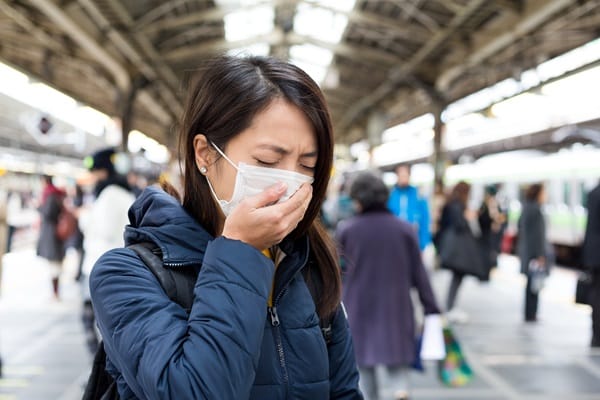
When you breathe, air pollutants enter your respiratory system through the nose and mouth. The nasal passages and upper respiratory tract filter out larger particles, but smaller particles can reach the lungs. Once in the lungs, these pollutants can penetrate the alveoli, tiny air sacs where gas exchange occurs. The body’s immediate response includes coughing and mucus production to expel the irritants. However, prolonged exposure can overwhelm these defenses and cause more severe damage.
The immediate effects of air pollution on the respiratory tract include irritation and inflammation. Pollutants can cause the airways to constrict, making it difficult to breathe. This response is particularly dangerous for individuals with asthma or other pre-existing respiratory conditions. Symptoms like coughing, wheezing, and shortness of breath can become more frequent and severe. Continuous exposure to polluted air can lead to chronic respiratory issues, highlighting the importance of minimizing exposure.
Short-Term Health Effects of Air Pollution on the Lungs
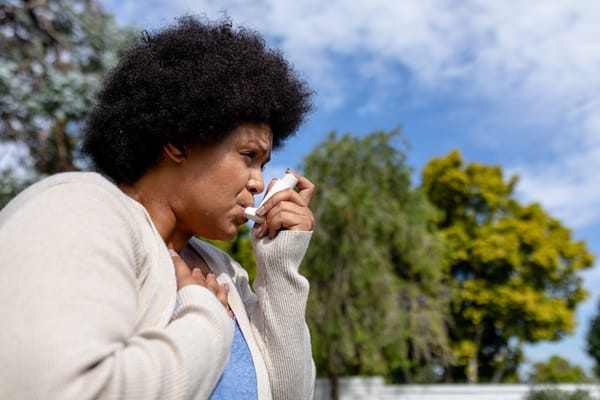
Acute respiratory infections are common short-term health effects of air pollution. Polluted air increases the likelihood of infections such as bronchitis and pneumonia. These infections can be particularly severe for young children, the elderly, and individuals with weakened immune systems. High levels of air pollution correlate with increased doctor visits and hospital admissions for respiratory infections. The immediate impact of polluted air on respiratory health cannot be underestimated.
Air pollution can also exacerbate asthma and allergies, leading to more frequent and severe attacks. Pollutants like ozone and particulate matter are known asthma triggers, causing inflammation and airway constriction. During high pollution days, individuals with asthma may experience increased symptoms and need more medication. Allergies can also worsen as pollutants interact with allergens to heighten the body’s immune response. Understanding these short-term effects helps in managing and reducing exposure to harmful air pollutants.
Long-Term Health Consequences of Air Pollution

Prolonged exposure to air pollution can lead to chronic obstructive pulmonary disease (COPD). COPD encompasses conditions like emphysema and chronic bronchitis, which cause long-term respiratory issues. Pollutants like cigarette smoke and industrial emissions contribute significantly to the development of COPD. Symptoms include persistent cough, mucus production, and difficulty breathing. Managing air quality is essential for preventing the onset of such debilitating conditions.
Lung cancer is another severe long-term consequence of air pollution. Carcinogenic pollutants, such as benzene and formaldehyde, can damage lung tissue and lead to cancer over time. Studies have shown a clear link between air pollution and increased lung cancer rates. Non-smokers exposed to high levels of pollutants are also at risk. Protecting oneself from prolonged exposure to polluted air is crucial to reducing the risk of lung cancer.
Vulnerable Populations and Air Pollution
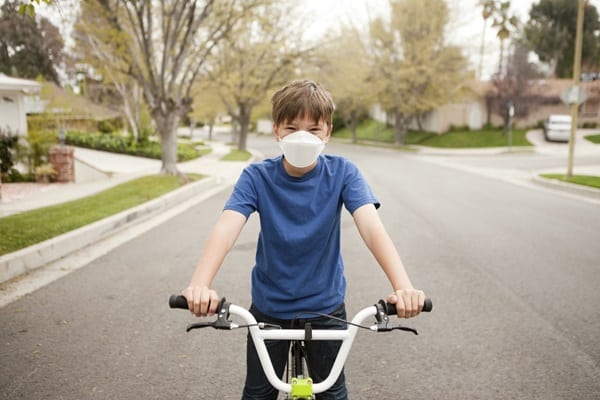
Children and the elderly are particularly vulnerable to the effects of air pollution due to their developing and aging lungs. Children’s respiratory systems are still growing, making them more susceptible to damage from pollutants. Similarly, older adults often have weakened immune systems and pre-existing health conditions, which can be exacerbated by poor air quality. Studies have shown higher rates of respiratory issues among these age groups during periods of high pollution. Protecting these vulnerable populations requires targeted measures to improve air quality and reduce exposure.
Individuals with pre-existing respiratory conditions, such as asthma or COPD, are also at greater risk from air pollution. Exposure to pollutants can trigger severe symptoms and lead to more frequent hospital visits. For these individuals, managing air quality is a critical component of maintaining their health. Public health policies aimed at reducing air pollution can significantly improve the quality of life for people with these conditions. Raising awareness about the heightened risks faced by vulnerable groups can drive collective action to combat air pollution.
Economic and Social Impact

The economic burden of air pollution-related lung diseases is substantial, impacting both individuals and healthcare systems. Treatments for chronic respiratory conditions, such as COPD and lung cancer, are costly and can lead to significant medical expenses. Hospitalizations, medication, and long-term care contribute to the financial strain on affected families. Furthermore, increased healthcare costs place a burden on public health systems, diverting resources from other essential services. Addressing air pollution can help reduce these economic pressures and improve overall public health.
Loss of productivity is another significant impact of air pollution-related lung diseases. Individuals suffering from respiratory issues often miss work or are less productive due to their health conditions. This absenteeism affects businesses and the broader economy, leading to a loss of workforce efficiency. The long-term economic consequences of a population burdened by chronic lung diseases can be profound. Implementing strategies to improve air quality can enhance public health and, consequently, economic productivity.
Mitigation Strategies and What You Can Do

Government and policy measures play a crucial role in reducing air pollution and protecting public health. Regulations on industrial emissions, vehicle exhaust standards, and initiatives to promote clean energy sources are essential steps. Successful examples include cities that have implemented strict air quality controls and seen significant improvements. Public transportation and urban planning that reduce reliance on cars can also contribute to cleaner air. Strong policies backed by scientific research are vital for long-term air quality improvement.
On a personal level, there are several actions individuals can take to reduce their exposure to air pollution. Using air purifiers indoors can help filter out harmful particles, especially during high pollution days. Limiting outdoor activities when air quality is poor and wearing masks designed to filter pollutants can also provide protection. Supporting and advocating for clean energy initiatives and sustainable practices in the community can contribute to broader change. By taking these steps, individuals can protect their health and contribute to the fight against air pollution.
Breathing Easier Starts with Action
Addressing air pollution is essential for safeguarding your respiratory health and ensuring a healthier future. By understanding the sources and impacts of pollutants, you can take informed actions to reduce exposure and advocate for stronger environmental policies. Protecting vulnerable populations and mitigating economic burdens are critical components of this effort. Personal and collective actions can lead to significant improvements in air quality. Together, communities and individuals can make a profound difference in the fight against air pollution.