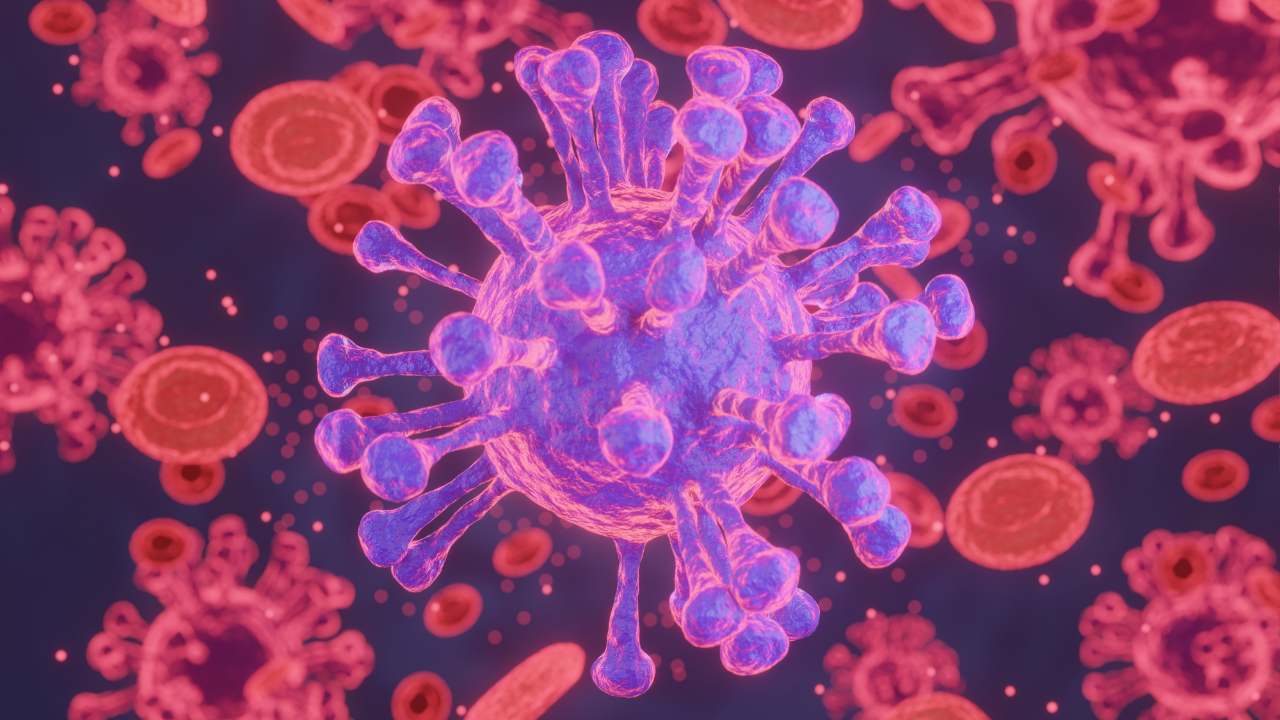
Hypertension, commonly known as high blood pressure, is a significant health concern, particularly among older adults. It affects a large portion of the elderly population, with statistics indicating that nearly 70% of adults over the age of 65 are hypertensive. Managing hypertension is crucial, as uncontrolled blood pressure can lead to severe health complications such as heart disease, stroke, and kidney failure. Understanding and addressing hypertension through lifestyle changes, medication, and regular monitoring can vastly improve the quality of life and longevity for older adults, making it a vital aspect of healthcare for the aging population.
Contents
Understanding Hypertension
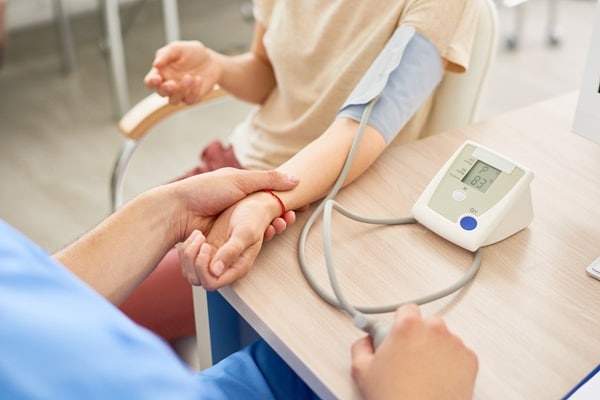
Hypertension is defined as a consistent elevation of blood pressure in the arteries, which can cause damage to the blood vessels and organs over time. Several factors contribute to the development of hypertension, including genetic predisposition, lifestyle choices such as poor diet and lack of exercise, and other medical conditions like diabetes and obesity. While some individuals may not experience noticeable symptoms, others might suffer from headaches, dizziness, or shortness of breath, prompting the need for medical evaluation. Diagnosis typically involves regular blood pressure measurements and may include additional tests to assess overall cardiovascular health.
The risk factors for hypertension are multifaceted and can be influenced by both non-modifiable and modifiable factors. Non-modifiable risk factors include age, family history, and ethnicity, with older adults being at a higher risk. Modifiable risk factors, on the other hand, encompass lifestyle elements such as high salt intake, excessive alcohol consumption, smoking, and physical inactivity. Recognizing these risk factors is the first step towards effective management and prevention. Healthcare professionals often recommend regular screenings and proactive measures to identify and mitigate these risks early.
The Impact of Hypertension on Older Adults

Hypertension can have a profound impact on the health and well-being of older adults, leading to a range of complications if not properly managed. Cardiovascular diseases, including heart attacks and heart failure, are among the most severe consequences of untreated hypertension. Additionally, high blood pressure significantly increases the risk of stroke, which can result in long-term disability or death. Chronic kidney disease is another potential outcome, as hypertension can damage the blood vessels in the kidneys, impairing their ability to filter waste from the blood effectively.
Beyond the physical health complications, hypertension can also affect the quality of life in older adults. Those with high blood pressure may experience limitations in their daily activities due to fatigue or mobility issues. Mental health can also be impacted, as the stress and anxiety associated with managing a chronic condition can lead to depression and decreased overall well-being. Understanding these impacts underscores the importance of comprehensive management strategies that address both the physical and emotional aspects of living with hypertension.
Lifestyle Modifications for Managing Hypertension

Lifestyle modifications are a cornerstone of managing hypertension, offering a non-pharmacological approach to controlling blood pressure. Dietary changes, particularly the adoption of the DASH (Dietary Approaches to Stop Hypertension) diet, have proven effective in reducing blood pressure levels. This diet emphasizes the consumption of fruits, vegetables, whole grains, and lean proteins while reducing salt, red meat, and sugar intake. By making these dietary adjustments, older adults can significantly lower their blood pressure and improve their overall cardiovascular health.
Physical activity is another critical component of managing hypertension. Regular exercise, such as walking, swimming, or cycling, helps to strengthen the heart and improve blood circulation, which can lower blood pressure. The American Heart Association recommends at least 150 minutes of moderate-intensity aerobic exercise per week for older adults. In addition to structured exercise, incorporating more physical activity into daily routines, like gardening or taking the stairs, can also contribute to better blood pressure control. Weight management is closely linked to both diet and exercise, as maintaining a healthy weight can further reduce the risk of hypertension and its associated complications.
Medication Management

For many older adults, medication is a necessary component of managing hypertension. Antihypertensive medications come in various classes, including diuretics, beta-blockers, ACE inhibitors, and calcium channel blockers, each working differently to lower blood pressure. It is essential for patients to understand how their prescribed medications work and to follow their healthcare provider’s instructions meticulously. Consistent adherence to medication regimens is crucial, as irregular intake can lead to fluctuating blood pressure levels and increase the risk of complications.
Managing medication effectively also involves dealing with potential side effects, which can be a significant concern for older adults. Common side effects of antihypertensive drugs include dizziness, fatigue, and electrolyte imbalances, which can affect compliance. Healthcare providers can help by adjusting dosages or switching medications if side effects become problematic. Patients are encouraged to communicate openly with their healthcare providers about any adverse effects they experience and to develop strategies, such as using pill organizers or setting reminders, to ensure they take their medications consistently.
Monitoring and Regular Check-ups
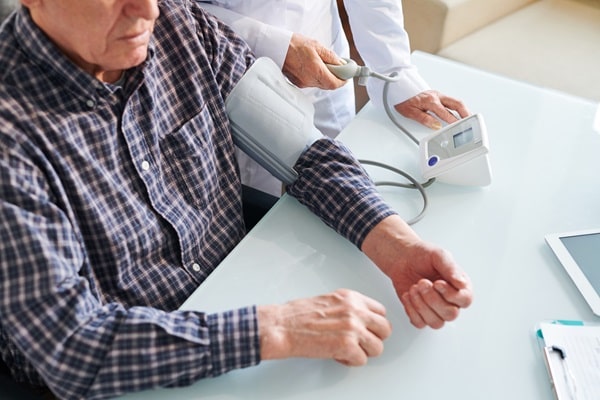
Regular monitoring of blood pressure is vital for managing hypertension effectively in older adults. Keeping track of blood pressure readings helps identify patterns and triggers that may cause spikes in blood pressure. It is recommended that patients measure their blood pressure at home using a reliable device, recording the results to share with their healthcare provider during check-ups. This practice allows for timely adjustments to treatment plans and ensures that blood pressure remains within the target range.
Frequent check-ups with healthcare providers play a critical role in the management of hypertension. These appointments provide an opportunity for comprehensive assessments, including evaluating the effectiveness of current treatments and screening for any complications. Healthcare providers may also offer additional tests, such as blood tests or electrocardiograms, to monitor the overall health of the patient. Regular check-ups ensure that any issues are detected early and addressed promptly, which is essential for preventing long-term damage caused by uncontrolled hypertension.
Complementary and Alternative Therapies

In addition to conventional treatments, some older adults explore complementary and alternative therapies to manage their hypertension. Herbal supplements, such as garlic, hawthorn, and omega-3 fatty acids, are popular choices believed to have blood pressure-lowering effects. Acupuncture, an ancient Chinese practice, is another alternative therapy that some studies suggest may help reduce blood pressure by stimulating specific points on the body. While these therapies can be beneficial, it is crucial to approach them with caution and under the guidance of a healthcare provider.
The effectiveness and safety of complementary and alternative therapies vary, and not all are supported by strong scientific evidence. It is essential for older adults to consult with their healthcare providers before starting any alternative treatments to avoid potential interactions with prescribed medications. Healthcare providers can help assess the suitability of these therapies based on the individual’s overall health condition. Additionally, patients should be encouraged to continue following conventional treatment plans alongside any complementary approaches to ensure comprehensive management of their hypertension.
Support Systems and Resources

Effective management of hypertension in older adults often involves robust support systems and access to reliable resources. Family members play a crucial role in providing emotional and practical support, such as assisting with medication management, attending medical appointments, and encouraging healthy lifestyle choices. Involving family in the care process can enhance adherence to treatment plans and improve overall well-being. Community support groups also offer a platform for sharing experiences, receiving encouragement, and gaining insights from others facing similar challenges.
Educational resources are invaluable for older adults managing hypertension. Online platforms, mobile apps, and healthcare websites provide a wealth of information on hypertension management, including tips for maintaining a healthy diet, exercise routines, and medication reminders. Workshops and seminars organized by healthcare providers or community centers can also educate older adults on the latest treatment options and self-care strategies. Access to these resources empowers individuals to take an active role in managing their condition, leading to better health outcomes and an improved quality of life.
Empowering Older Adults to Manage Hypertension
Managing hypertension in older adults requires a comprehensive approach that includes understanding the condition, making lifestyle modifications, adhering to medication, regular monitoring, and exploring complementary therapies. Support systems and educational resources play a crucial role in empowering older adults to take charge of their health. By implementing these strategies, older adults can effectively control their blood pressure, reduce the risk of complications, and enhance their quality of life. It is essential to maintain open communication with healthcare providers and leverage available resources to ensure a proactive and informed approach to managing hypertension.