Contents
The Impact on Hair Health
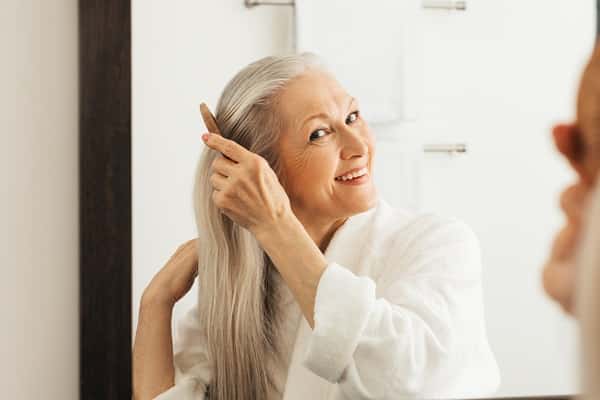
Dyeing hair, especially frequently or using strong chemicals, can take a toll on hair health, leading to increased fragility and hair loss. The process often strips away natural oils, leaving hair dry and brittle. For individuals over 50, whose hair might already be weaker and thinner, this can exacerbate hair thinning and breakage. Over time, the constant cycle of dyeing can lead to chronic hair damage, making it difficult to maintain healthy, strong hair. Additionally, the stress from repeated chemical treatments can impede hair growth, leading to thinner hair and a less vibrant appearance, counteracting the initial cosmetic goals of dyeing.
Alternatives to Traditional Hair Dye
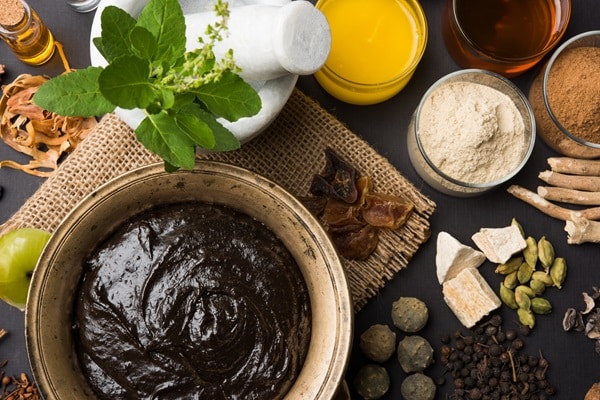
For those wary of the risks associated with traditional hair dyes, there are gentler alternatives. Natural dyes, such as henna, offer a less harmful way to alter hair color, as they typically do not contain ammonia or peroxide. These natural options can also condition and strengthen hair, providing a healthier sheen and texture. However, the color range and lasting power of natural dyes are limited compared to chemical dyes. Another alternative is semi-permanent dyes, which are less aggressive and wash out over time, reducing the frequency of dye applications. While these options may not cover gray hair as thoroughly or last as long, they represent a safer choice for maintaining hair health after 50.
Psychological Effects of Aging and Appearance
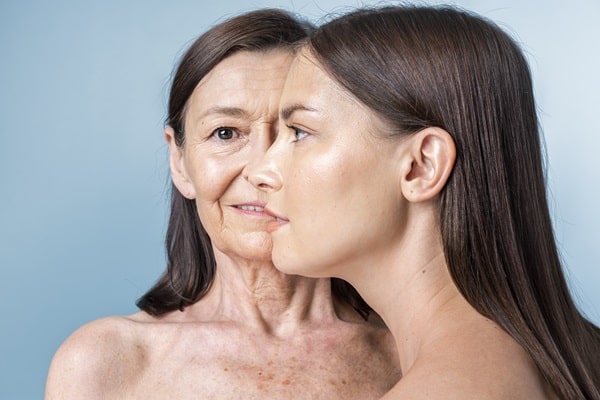
The pressure to appear youthful can have significant psychological effects, especially as one ages. Many people feel the need to dye their hair to conform to societal beauty standards that favor youthfulness. This societal norm can lead to anxiety, low self-esteem, and a distorted body image among older adults. It’s essential to recognize and challenge these perceptions, promoting a healthier attitude towards aging and beauty. Encouraging self-acceptance and embracing the natural aging process can contribute to improved mental well-being and quality of life. By reconsidering the necessity of dyeing hair after 50, individuals can make empowered choices that prioritize their mental and emotional health.
Consulting with Professionals
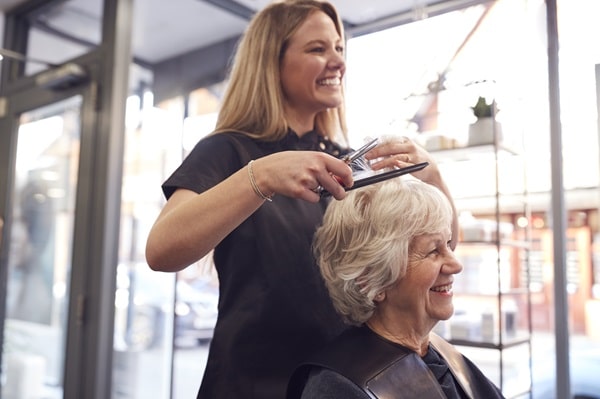
Before making the decision to dye hair after 50, consulting with a hair care professional can provide valuable insights and guidance. Experienced stylists can assess the condition of the hair and scalp, recommend suitable products, and advise on the best practices to minimize damage. They can also help to set realistic expectations regarding the outcome of hair coloring, taking into account the individual’s hair type, condition, and history of treatments. This professional advice can be crucial in avoiding adverse reactions and ensuring the health and beauty of the hair. Furthermore, a professional can offer alternative coloring techniques, such as highlights or balayage, that may be less damaging and more flattering for aging hair.
Personal Stories and Testimonials
Hearing from individuals who have navigated the decision to dye or not to dye their hair after 50 can provide unique perspectives and insights. Personal stories and testimonials can highlight the diverse experiences and outcomes associated with hair dyeing in later life. Some may share positive experiences where dyeing brought them confidence and satisfaction, while others might recount negative effects on their hair health or self-image. These narratives can serve as valuable resources for those contemplating hair dyeing after 50, offering real-life examples of the potential risks and rewards. By considering these varied experiences, readers can make more informed decisions about their own hair care practices.
Final Thoughts
Deciding whether to dye hair after reaching 50 is a significant choice that requires careful consideration of the potential risks and benefits. The impact on hair health, increased risk of allergic reactions, and the psychological effects of aging and appearance are critical factors to weigh. Alternatives to traditional hair dyeing, coupled with professional advice, offer safer options for those looking to change their hair color. Personal stories and experiences also play a vital role in shaping this decision. Ultimately, embracing the natural aging process while making informed choices about hair care can lead to healthier and more satisfying outcomes.