Calorie control is a fundamental aspect of managing a healthy lifestyle, aiming at balancing the energy we consume through food with the energy we expend in our daily activities. Embarking on a 1-week calorie control meal plan is an excellent way to kickstart a journey towards a healthier self, whether the goal is weight loss, improving metabolic health, or adopting healthier eating habits. This plan provides a structured approach to eating a balanced diet, focusing on nutrient-dense foods while maintaining enjoyable and satisfying meals. By following a guided meal plan, individuals can learn the basics of nutrition, portion control, and how to make informed food choices that support their health goals.
Contents
Understanding Calorie Control
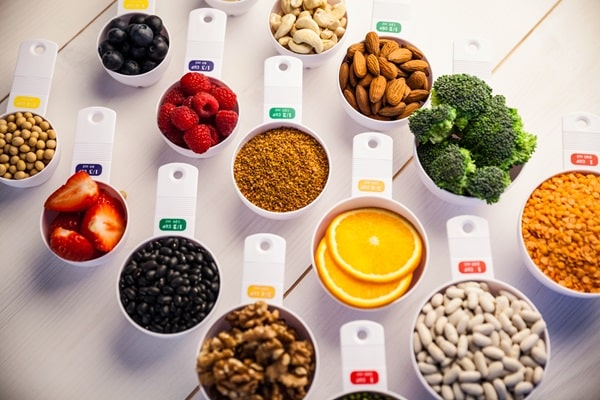
Calorie control involves regulating the amount of food energy consumed to match an individual’s health and fitness goals. It is based on the principle that weight management is influenced by the balance between calories consumed and calories expended through physical activity. Understanding this balance is crucial for anyone looking to lose weight, gain muscle, or maintain their current weight healthily. By focusing on calorie control, individuals can make more informed choices about their diet, leading to improved body composition and overall health.
Moreover, calorie control is not just about reducing food intake but about making smarter food choices. This involves selecting foods that are not only low in calories but also high in nutritional value, such as vitamins, minerals, and fiber. Balancing macronutrients—carbohydrates, proteins, and fats—is essential for a well-rounded diet that supports bodily functions, muscle repair, and energy levels. Educating oneself about these aspects can empower a more sustainable and healthy approach to eating.
Preparing for Your Calorie Control Week

Preparation is key before embarking on a calorie-controlled week. Planning meals and snacks ahead of time ensures that you have healthy options available, reducing the temptation to reach for convenient but unhealthy foods. It’s important to create a grocery list that aligns with your meal plan, focusing on whole foods like fruits, vegetables, lean proteins, and whole grains. Avoiding processed foods and those high in added sugars and unhealthy fats can significantly impact your success.
Meal prepping can be a game-changer for sticking to your calorie goals. By dedicating a few hours to preparing meals for the week, you can save time, reduce stress, and avoid the pitfalls of last-minute dining decisions that may not align with your health objectives. This might include cooking in bulk, portioning meals into containers, and having healthy snacks readily available. Such an organization supports consistency in calorie control and makes healthy eating more manageable and enjoyable.
Day 1 – Kickstarting Your Journey

The first day of your calorie control plan sets the tone for the week. Starting with a balanced breakfast that includes a mix of carbohydrates, protein, and a little healthy fat can fuel your body and keep you satisfied until your next meal. A light but filling lunch can prevent afternoon slumps, while a nutritious dinner can help you end your day on a positive note. Each meal should be designed to fit within your daily calorie goal while providing the nutrients your body needs.
Hydration plays a critical role in this journey. Drinking plenty of water throughout the day can aid digestion, improve skin health, and help control hunger. It’s also beneficial to incorporate low-calorie beverages like herbal teas or flavored water to keep things interesting. This first day is about establishing healthy habits that you’ll build on throughout the week, including mindful eating, listening to your body’s hunger cues, and enjoying the process of nourishing yourself with wholesome foods.
Day 2 – Incorporating More Vegetables

The second day emphasizes the importance of vegetables in a calorie-controlled diet, which is not only low in calories but also high in fiber, vitamins, minerals, and antioxidants. Vegetables can add volume to meals without significantly increasing calorie intake, helping you feel full and satisfied. Incorporating a variety of vegetables across all meals ensures a colorful and nutrient-dense diet. For example, starting the day with spinach in an omelet, adding a mixed salad with lean protein for lunch, and steaming a medley of vegetables for dinner can significantly boost your nutrient intake.
Expanding the variety of vegetables in your diet can also introduce new flavors and textures, making meals more enjoyable and less monotonous. Creative ways to include more vegetables might include vegetable-based soups and stir-fries or even using vegetables as a base for dishes, such as cauliflower rice or zucchini noodles. These options not only enhance your nutrient profile but also help in keeping overall calorie consumption in check. Remember, the goal is to enjoy your meals and feel nourished, not restricted.