

Psychological Approaches
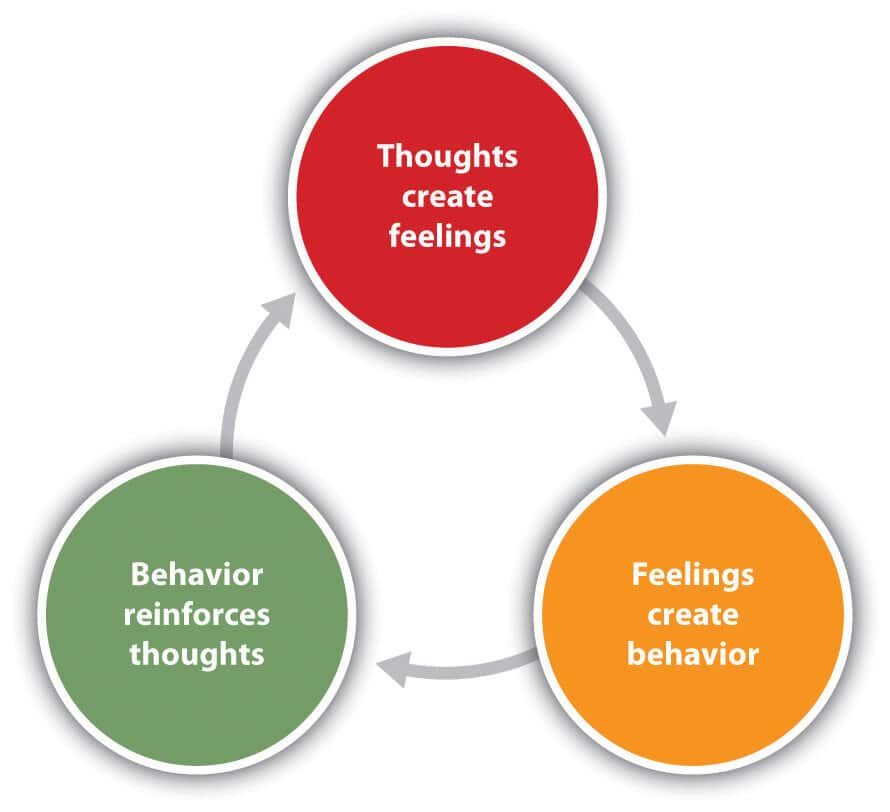
Psychological strategies play a significant role in managing chronic pain, addressing the emotional and mental impacts that accompany physical discomfort. Cognitive-behavioral therapy (CBT) is particularly effective, helping individuals change negative thought patterns and behaviors that can exacerbate pain. By learning coping mechanisms and relaxation techniques, patients can reduce stress and anxiety, which are often linked to increased pain sensations. CBT encourages a more active role in pain management, empowering individuals to control their response to pain.
Mindfulness and meditation are additional psychological tools that can help manage chronic pain. These practices focus on the present moment, helping individuals become more aware of their body and mind without judgment. Regular mindfulness exercises can lead to decreased pain intensity and an improved ability to cope with pain. Incorporating these practices into daily routines can enhance the overall quality of life, reducing the psychological burden of chronic pain. Support from mental health professionals can further bolster these efforts, providing guidance and encouragement throughout the process.
Lifestyle Adjustments

Making lifestyle adjustments is crucial for individuals dealing with chronic pain. Dietary changes can have a significant impact, as certain foods can either exacerbate or alleviate pain. Incorporating anti-inflammatory foods into one’s diet, such as fruits, vegetables, and omega-3 fatty acids, can help reduce pain levels. Conversely, reducing the intake of processed foods, sugars, and unhealthy fats may also decrease inflammation and pain. Nutritionists can provide personalized advice, ensuring dietary plans support pain management goals.
Sleep hygiene is another vital aspect of lifestyle adjustments. Poor sleep can exacerbate chronic pain, creating a vicious cycle that affects overall health. Establishing a regular sleep schedule, creating a comfortable sleep environment, and avoiding stimulants before bedtime can improve sleep quality. Additionally, identifying and avoiding pain triggers, such as certain activities or stressors, can help prevent pain flare-ups. Lifestyle adjustments, coupled with medical and psychological interventions, form a holistic approach to managing chronic pain, emphasizing the importance of a balanced and health-conscious lifestyle.
Alternative and Complementary Therapies

Alternative and complementary therapies have become increasingly popular in the management of chronic pain, offering a range of non-traditional approaches that can provide relief. Acupuncture, for example, is a practice derived from traditional Chinese medicine that involves inserting thin needles into specific points on the body. This can stimulate the body’s natural painkillers and has been found effective for various types of chronic pain. Similarly, massage therapy can reduce tension in the muscles, increase circulation, and promote relaxation, thereby alleviating pain symptoms.
Another complementary approach is the use of herbal supplements and aromatherapy, which can help manage pain and improve overall well-being. While the evidence supporting these treatments varies, many individuals report significant benefits. It’s important to approach these therapies with caution and to discuss them with a healthcare provider to ensure they complement existing treatment plans safely. Integrating alternative therapies with conventional treatments can offer a more holistic approach to chronic pain management, potentially enhancing outcomes and improving quality of life.
Building a Support System

Creating a robust support system is essential for individuals managing chronic pain. The journey can be challenging, and having emotional and practical support from friends, family, and healthcare professionals can make a significant difference. Engaging with a multidisciplinary healthcare team ensures that all aspects of pain management are addressed, from medical treatments to psychological support. This team might include doctors, physical therapists, psychologists, and pain specialists, all working together to develop and implement a comprehensive pain management plan.
Additionally, joining support groups, whether in person or online, can provide a sense of community and understanding that is invaluable. Sharing experiences and strategies with others who are facing similar challenges can offer new perspectives, reduce feelings of isolation, and foster resilience. These groups can also be a rich resource for discovering new coping strategies and resources. Ultimately, building a support system is about creating a network of resources and relationships that can sustain individuals through their pain management journey, providing comfort, encouragement, and practical assistance when needed.
Embracing a Holistic Approach to Pain Management
In managing chronic pain, embracing a holistic approach that incorporates medical treatments, physical therapy, psychological support, lifestyle adjustments, and alternative therapies is crucial. This comprehensive strategy ensures that all aspects of an individual’s well-being are addressed, fostering a better quality of life despite the challenges of chronic pain. It is essential for individuals to work closely with their healthcare providers to tailor these strategies to their unique needs, ensuring the best possible outcomes. Remember, while chronic pain may be a part of your life, it doesn’t have to define it. With the right approaches and support, managing pain becomes a journey toward reclaiming your well-being.