In an era where concrete jungles continue to expand, carving out green spaces has become crucial for maintaining a balanced lifestyle. The correlation between proximity to nature and improved health is not merely coincidental but deeply rooted in numerous scientific observations and personal experiences. This comprehensive exploration delves into the multifaceted benefits of being near nature, from bolstering physical and mental health to enhancing social and community dynamics. As the narrative unfolds, it becomes evident that integrating natural elements into your living environments is essential for fostering a healthier, more fulfilling life.
Contents
Physical Health Enhancements
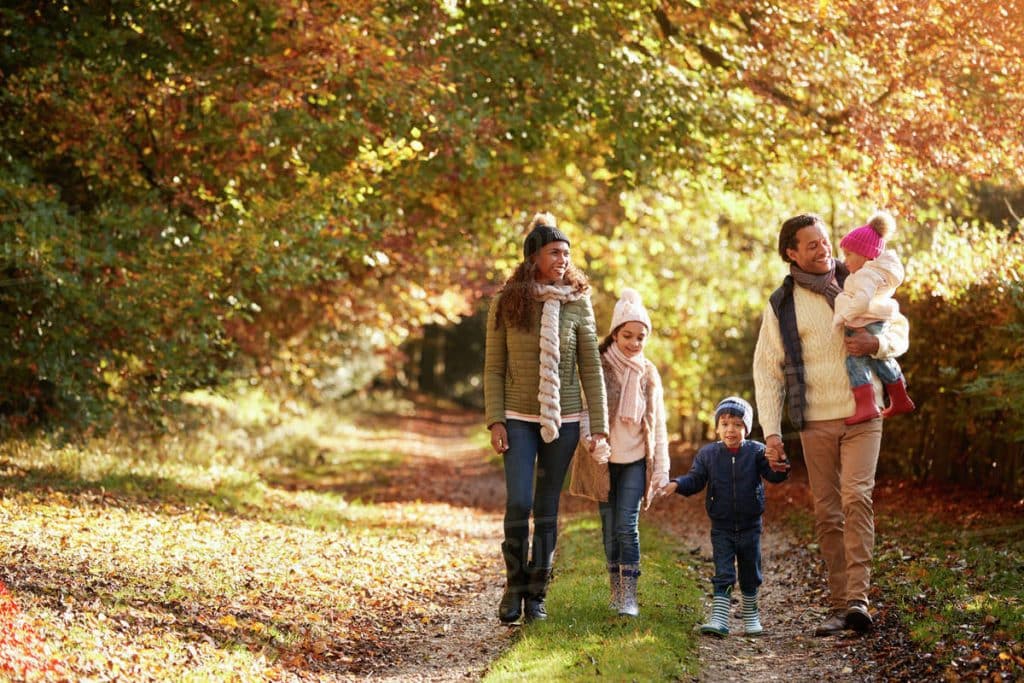
Nature catalyzes physical activity, inviting individuals to walk, jog, and engage in various forms of exercise that are pivotal for maintaining cardiovascular health and overall physical wellness. The accessibility of parks and natural trails encourages a more active lifestyle, directly contributing to reducing obesity rates and related health issues. Additionally, greenery has been linked to improved air quality, significantly lowering the prevalence of respiratory conditions and enhancing lung function. This dual impact of nature on physical health underscores the vital role that natural environments play in fostering a robust and healthy body.
Cognitive Function Boost

Access to nature has significantly enhanced cognitive functions, including attention, creativity, and problem-solving skills. Children’s educational performance and focus improve with regular exposure to outdoor environments, suggesting that nature plays a crucial role in cognitive development. Adults, too, benefit from the mental clarity and increased productivity that natural settings can foster. This cognitive boost is a testament to the power of natural environments in enhancing brain function and fostering a more vibrant intellectual life.
Social Cohesion and Community Well-being
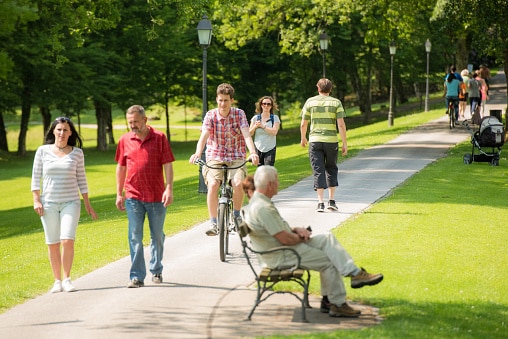
Natural spaces act as communal hubs, fostering social interactions and strengthening community ties. Parks and green areas are recreational spaces and platforms for cultural exchange, communal activities, and social gatherings. These interactions enhance social cohesion, promoting a sense of belonging and collective identity within communities. Moreover, the inclusivity found in shared green spaces enriches social networks and supports the mental health of community members, highlighting the social benefits of living near nature.
Reduction in Noise Pollution

The calmness of natural environments offers a reprieve from the relentless noise pollution characteristic of urban areas. This decrease in background noise contributes to a more tranquil living environment and mitigates the adverse health effects of constant exposure to loud sounds. The tranquility afforded by natural settings facilitates a deeper connection with the environment and oneself, providing a peaceful refuge that promotes mental and emotional well-being.
Enhanced Immune System Function
Regular exposure to nature has been shown to have a significant positive impact on the immune system. This effect is partly due to inhaling phytoncides, natural compounds produced by plants and trees. Phytoncides, such as alpha-pinene and limonene, have antimicrobial properties and are part of plants’ defenses against pathogens.
When humans inhale these substances in forests or green spaces, they can experience the increased activity of natural killer (NK) cells, a type of white blood cell that attacks tumor- and virus-infected cells in the body. Studies have shown that forest bathing trips—spending time in the forest atmosphere—can increase the number and activity of NK cells, with these beneficial effects lasting for several days or even weeks after the exposure.