

Mental Health Improvements
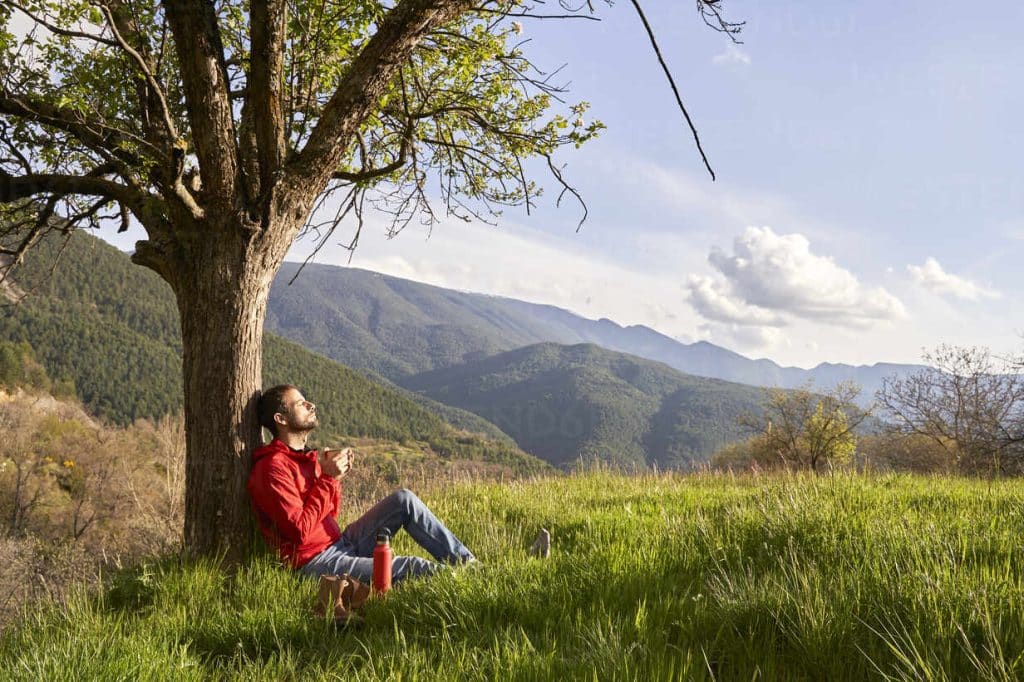
The alleviation of stress and anxiety through proximity to natural environments is a key benefit that underscores the therapeutic potential of green spaces. Nature serves as a sanctuary from modern life’s fast-paced, often overwhelming demands, providing a serene backdrop that encourages relaxation and mindfulness.
The psychological relief found in nature is rooted in its ability to offer a sense of space, freedom, and a connection to a world beyond our immediate concerns and routines. Studies have demonstrated that spending time in natural settings can significantly lower cortisol levels, a stress hormone, and improve mood by reducing feelings of anxiety and depression. This calming effect is attributed to the sensory experience of being in nature—the sight of greenery, the sound of running water, and the smell of the earth and plants—all of which contribute to reduced activation of the body’s stress response system.
Furthermore, the role of natural environments in stress and anxiety reduction is increasingly recognized as an important component of mental health care. Encouraging people to spend time outdoors in parks and gardens, in turn, complements traditional therapeutic practices, offering a natural and accessible way to manage stress and anxiety levels. The concept of “ecotherapy” or “green therapy” has emerged, integrating nature-based activities into psychological treatment plans. This approach acknowledges nature’s restorative power and leverages it to enhance emotional resilience and well-being.
Immersion in Natural Beauty Enhances Aesthetic Appreciation
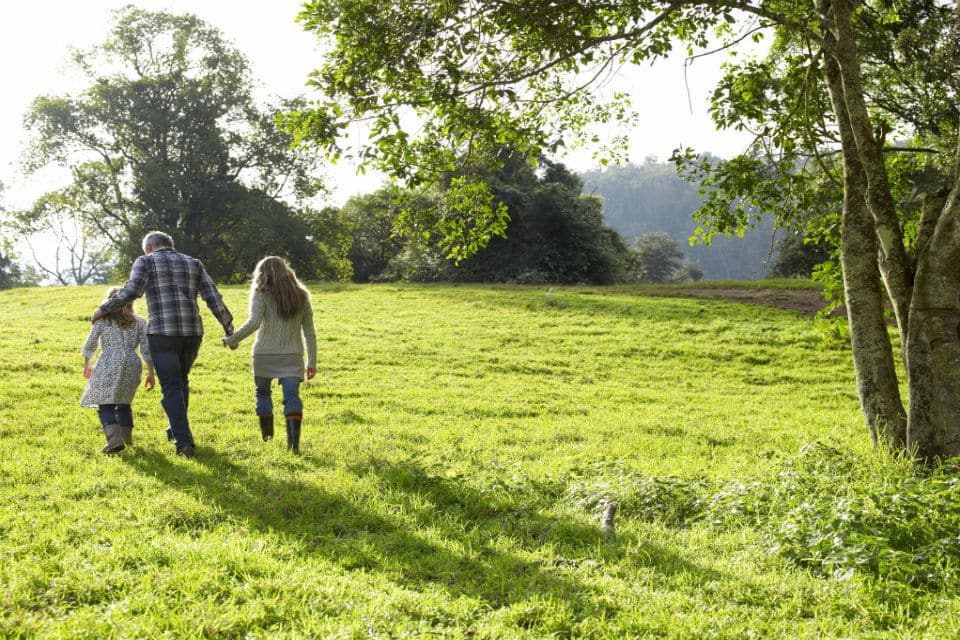
The aesthetic appeal of natural landscapes plays a significant role in enhancing one’s appreciation for beauty and fostering a deeper connection with the environment. This appreciation elevates the spirit and contributes to well-being and happiness.
Immersing oneself in nature’s beauty, whether through witnessing a sunset in a park or observing the intricate patterns of leaves and flowers, can stimulate creativity and inspire a sense of peace and contentment. The ability of natural beauty to touch the human soul underscores the importance of preserving these spaces for ecological balance and enrichment of human culture and individual spiritual growth.
Encouraging Sustainable Living Practices

Living near nature benefits personal health and promotes a sustainable lifestyle. The direct experience of nature’s cycles and systems fosters a deeper understanding of ecological principles and the importance of environmental stewardship. This awareness encourages more environmentally friendly choices, such as conservation of resources, recycling, and supporting local green initiatives. By integrating nature into daily life, individuals are more likely to advocate for sustainable practices and policies, contributing to preserving natural spaces for future generations. The symbiotic relationship between human and environmental health highlights the necessity of living in harmony with nature, where each action taken to preserve the natural world also protects and enhances our well-being.
The Bottom Line
The myriad benefits of living near nature, as explored through physical health, mental wellness, social cohesion, cognitive function, and environmental sustainability, paint a compelling picture of nature’s integral role in human life. The evidence is clear: incorporating natural environments into our urban landscapes and daily routines is desirable and essential for fostering healthy, vibrant communities and individuals. As society continues to grapple with the challenges of urbanization and environmental degradation, preserving and creating green spaces emerge as a critical strategy for enhancing public health and ensuring the planet’s well-being.