Staying hydrated is more than just a simple health tip; it’s a foundational element for maintaining optimal health and well-being. Water plays a crucial role in every bodily function, from regulating temperature and keeping joints lubricated to transporting nutrients. Unfortunately, many overlook the importance of hydration, leading to preventable health issues. This article delves into the significance of hydration, the science behind it, practical tips for staying hydrated, and the consequences of dehydration. Understanding these aspects can help individuals make informed decisions about their daily water intake and overall health strategies.
Contents
Understanding Hydration

Hydration is the process of maintaining a balance of fluids in the body, a critical aspect for survival and health. Water constitutes about 60% of an adult’s body weight, highlighting its importance in physiological processes, including digestion, absorption, circulation, and saliva production. Adequate hydration is essential for these functions to operate efficiently, impacting everything from physical performance to cognitive abilities. However, the amount of water an individual needs can vary based on factors such as age, weight, climate, and activity levels, making it crucial to understand personal hydration needs.
Despite its fundamental importance, many people struggle to meet their daily hydration requirements, often due to a lack of awareness or understanding of how much water they really need. Health authorities commonly recommend eight 8-ounce glasses of water a day, known as the “8×8 rule,” though this can vary. Factors such as intense exercise, hot weather, and health conditions can increase the body’s demand for water, underlining the need for a tailored approach to hydration that considers individual lifestyle and environmental factors.
The Science Behind Hydration and Health

Hydration has a profound impact on both physical and mental health. Physiologically, adequate water intake ensures the proper functioning of the heart, brain, and muscles by facilitating the transport of nutrients and oxygen to cells and removing waste products. Studies have shown that even mild dehydration can impair energy levels, mood, and cognitive functions, leading to decreased concentration and memory and increased feelings of anxiety and fatigue. This underscores the direct link between water intake and both short-term performance and long-term health outcomes.
Moreover, hydration plays a pivotal role in the prevention of chronic diseases. Adequate water intake has been associated with reduced risks of urinary tract infections, hypertension, kidney stones, and constipation. Chronic dehydration can also lead to more severe health issues, including renal dysfunction and cardiovascular diseases. By understanding the science behind hydration, individuals can better appreciate the importance of maintaining fluid balance and the wide-ranging benefits it brings to health and well-being.
Identifying Dehydration

Recognizing the signs of dehydration is crucial for preventing its adverse effects on health. Symptoms can range from mild to severe and often include thirst, dry mouth, fatigue, and decreased urine output, with urine color turning darker than usual. In more severe cases, dehydration can lead to confusion, dizziness, rapid heartbeat, and unconsciousness. It’s important to note that thirst is not always a reliable indicator of dehydration, especially in elderly individuals, who may have a diminished sense of thirst.
Dehydration can affect anyone, but certain groups are at higher risk, including children, elderly people, athletes, and individuals with certain medical conditions. Understanding the specific symptoms and risks associated with these populations can help in early identification and prevention. Moreover, recognizing the factors that contribute to dehydration, such as high temperatures, vigorous exercise, and illness, allows for better planning and interventions to maintain hydration levels and protect against the detrimental effects of dehydration on health.
Daily Hydration Needs
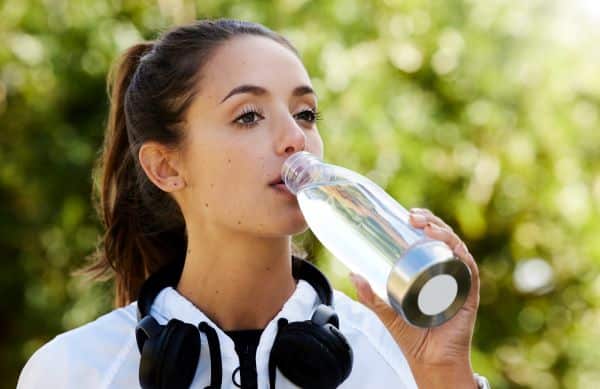
Determining the right amount of water to drink each day is essential for optimal health, yet there is no one-size-fits-all answer. The National Academies of Sciences, Engineering, and Medicine suggest an adequate daily fluid intake of about 3.7 liters (125 ounces) for men and 2.7 liters (91 ounces) for women from all beverages and foods. However, these needs can vary significantly based on factors such as age, gender, weight, health status, and physical activity levels. For instance, people who engage in regular, intense exercise or live in hot climates may need additional fluids to compensate for increased water loss.
The role of diet in hydration is often underestimated. Certain foods, particularly fruits and vegetables like watermelon, strawberries, and cucumbers, have high water content and can contribute significantly to overall hydration. Meanwhile, beverages like coffee and tea, despite their diuretic properties, also contribute to hydration under normal consumption levels. Understanding the balance between water, other beverages, and food can help individuals meet their hydration needs more effectively and maintain health and well-being.
Tips for Staying Hydrated

Incorporating hydration into daily routines can be achieved through simple yet effective strategies. Setting regular reminders to drink water or carrying a reusable water bottle can significantly increase water intake. Additionally, personalizing water flavor with slices of fruits or herbs can make it more appealing, encouraging more frequent consumption. For those who find tracking water intake challenging, numerous mobile apps are designed to monitor hydration levels and send reminders to drink water, making it easier to stay hydrated throughout the day.
Beyond individual efforts, understanding one’s own body signals plays a crucial role in staying adequately hydrated. Learning to recognize the signs of thirst and responding promptly, adjusting water intake based on the level of physical activity and environmental conditions, and choosing hydrating foods are all vital strategies. For athletes or individuals with specific health conditions, consulting with healthcare professionals to tailor hydration strategies to their needs can provide additional benefits, ensuring optimal hydration is maintained for health and performance.
Overhydration: Understanding the Risks

While much emphasis is placed on avoiding dehydration, less attention is given to the dangers of overhydration or hyponatremia, a condition characterized by low sodium levels due to excessive water intake. This can lead to symptoms such as nausea, headaches, confusion, seizures, and, in severe cases, death. Overhydration is particularly a concern for endurance athletes who may consume excessive amounts of water, mistakenly believing it will prevent dehydration. Understanding the balance between sufficient hydration and overhydration is crucial, especially during prolonged physical activity.
Preventing overhydration involves drinking according to thirst rather than adhering strictly to a predetermined amount of fluid intake. It’s also important to recognize situations where the risk of overhydration is higher, such as during marathons or triathlons, and to plan fluid intake accordingly. Electrolyte balance is key in these scenarios; incorporating sports drinks with electrolytes can help maintain this balance during extended periods of intense exercise. Education on the signs of overhydration and appropriate hydration strategies can help individuals avoid the negative health impacts associated with this condition.
Hydration for Athletes and Active Individuals

Athletes and individuals engaged in regular, intense physical activity have unique hydration needs. Due to the increased fluid loss through sweat during exercise, staying adequately hydrated becomes crucial for maintaining performance and preventing heat-related illnesses. Pre-exercise hydration involves consuming enough fluids to start an activity well-hydrated, with recommendations often suggesting drinking about 500 ml of water two to three hours before exercise. During exercise, the goal is to drink to replace lost fluids without overhydrating, with the amount depending on the duration and intensity of the activity, as well as individual sweat rates.
Post-exercise hydration is just as important, focusing on replenishing any fluid deficit incurred during the activity. This often involves weighing oneself before and after exercise to estimate fluid loss and consuming 1.5 liters of fluid for every kilogram of body weight lost. Electrolytes, particularly sodium and potassium, play a vital role in this process, helping to restore the body’s water-electrolyte balance and facilitating recovery. Athletes should consider not only the quantity but also the quality of fluids consumed, incorporating beverages that contribute to electrolyte balance and energy restoration.
Wrapping Up the Hydration Journey
Staying hydrated is a key component of maintaining health and enhancing quality of life, affecting everything from physical performance to cognitive function. This blog post has explored the essentials of hydration, including understanding your body’s needs, recognizing the signs of both dehydration and overhydration and adopting practical strategies for maintaining fluid balance. Embracing these insights and incorporating the tips and technologies discussed can lead to improved well-being and performance. Remember, hydration is a personal journey tailored to individual needs and lifestyles, so listen to your body and adjust your hydration practices accordingly for optimal health.