The resurgence of ancient healing techniques in the modern era marks a fascinating intersection between historical wisdom and contemporary health practices. Once rooted in the mystic and cultural realms of early civilizations, these age-old methods are now gaining traction in today’s wellness and medical sectors. This article explores various ancient healing techniques, delving into their origins, principles, and their reinvention and application in our current health landscape. From acupuncture to Ayurveda, this exploration serves as a bridge connecting the past’s rich medical traditions with the present’s health needs.
Contents
The Roots of Ancient Healing
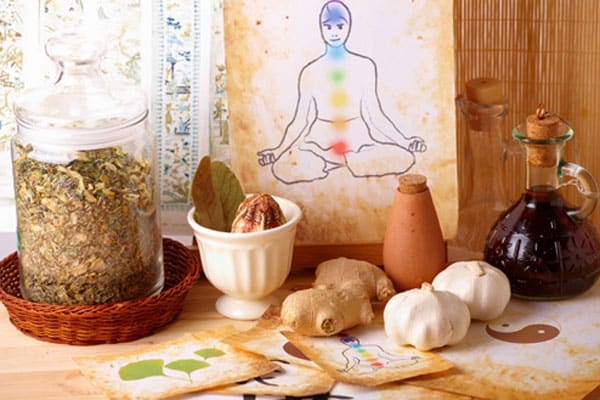
Ancient healing practices, steeped in centuries of tradition, are more than just medical treatments; they represent the philosophical and spiritual insights of early civilizations. These methods, varying widely across cultures, were deeply intertwined with the religious and philosophical beliefs of their times. Civilizations like the Chinese, Indians, and Egyptians were pioneers, developing sophisticated systems like Traditional Chinese Medicine, Ayurveda, and Egyptian medicine. Each system, unique in its approach, reflects the societal, environmental, and spiritual contexts of its origin.
These healing traditions were not just medical interventions but a way of life, embodying a holistic approach to health and wellness. They often emphasized harmony between the body, mind, and environment, a concept still relevant and appealing in our modern, fast-paced world. Their reliance on natural elements, like herbs and minerals, and practices like meditation and yoga underscore a deep connection with nature and self, principles that are increasingly resonant in today’s wellness culture.
Traditional Chinese Medicine (TCM)
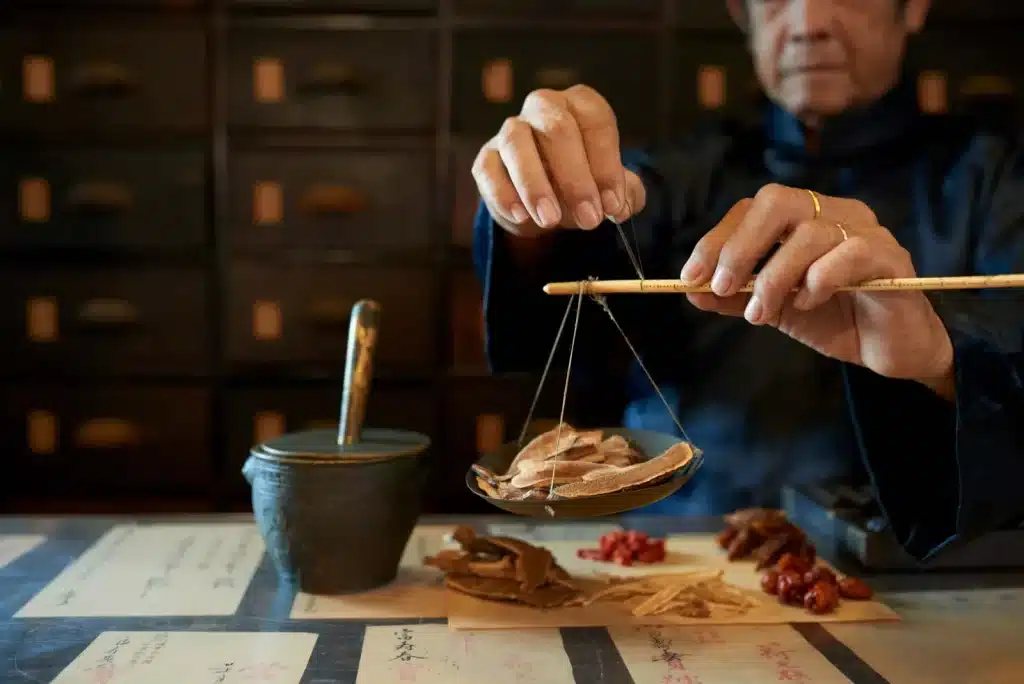
Traditional Chinese Medicine (TCM), one of the world’s oldest holistic healing systems, is based on the belief in an energy force called ‘Qi’ that flows through the body. Fundamental concepts such as Yin and Yang, representing opposing but complementary forces, and the Five Elements theory, which explains the interaction and balance of natural elements, are central to its philosophy. TCM encompasses various practices, with acupuncture being one of the most well-known. Acupuncture, involving the insertion of needles into specific body points, is widely used today for pain relief and a range of other health issues.
Herbal medicine forms another crucial pillar of TCM, with a rich pharmacopeia of thousands of medicinal substances derived from plants, animals, and minerals. Modern research is increasingly validating the therapeutic effects of these substances, although their integration into Western medicine is often challenging due to differences in medical paradigms. The global popularity of TCM, especially in the form of dietary supplements and holistic therapies, reflects a growing appreciation for its holistic approach to health and wellness.
Ayurveda – India’s Ancient Medicine
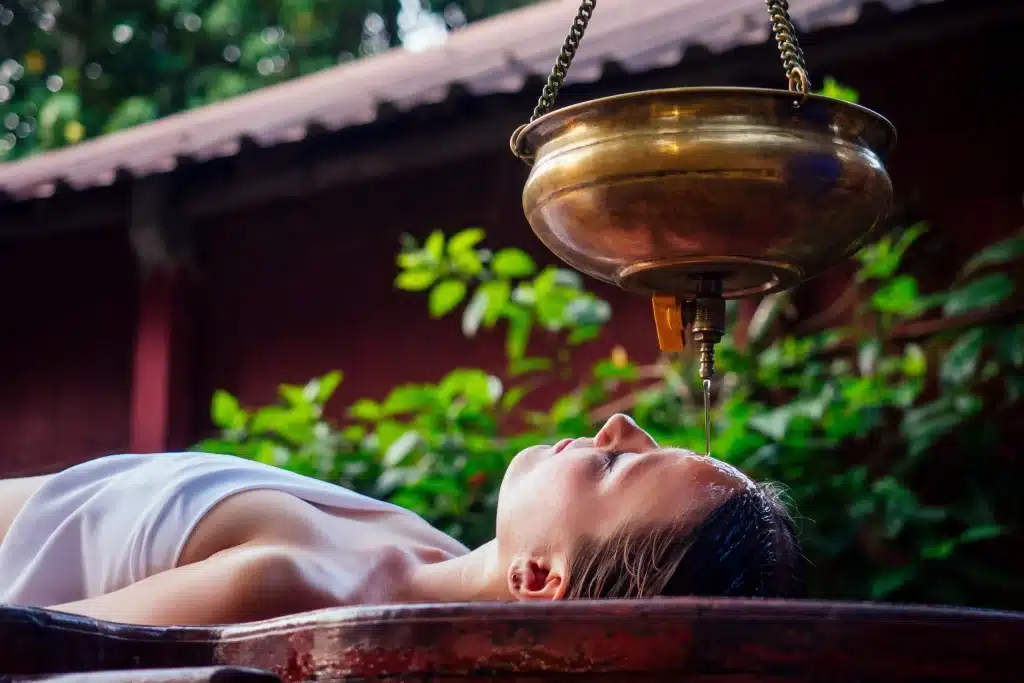
Ayurveda, originating from India over 3,000 years ago, is one of the world’s oldest holistic healing systems. It’s founded on the belief that health and wellness depend on a delicate balance between the mind, body, and spirit. Central to Ayurvedic medicine are the Doshas – Vata, Pitta, and Kapha – which are energy types believed to circulate in the body and govern physiological activity. Ayurvedic treatments often involve dietary changes, herbal remedies, and lifestyle adjustments tailored to an individual’s Dosha balance.
Modern times have seen a surge in the popularity of Ayurvedic practices, particularly in the realms of dietary and lifestyle choices. Ayurvedic diets, emphasizing whole foods and balanced nutrition, align closely with contemporary notions of healthy eating. Yoga and meditation, integral parts of Ayurveda, have become ubiquitous worldwide and often recommended for stress management and general well-being. These practices, deeply rooted in the Ayurvedic tradition, highlight the system’s enduring relevance and its growing influence in the global wellness landscape.
Ancient Egyptian Medicine
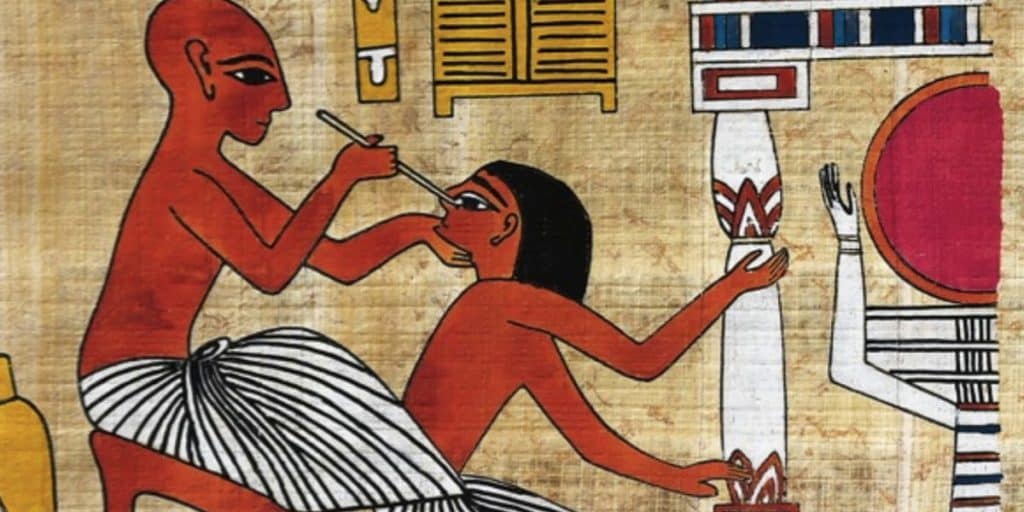
Ancient Egyptian medicine was remarkably advanced for its time, encompassing a broad array of practices and remedies that influenced later Greek and Roman medicine. The Egyptians were adept at surgery dentistry and had an extensive understanding of pharmacology, particularly in the use of herbs and essential oils. They documented their medical knowledge in texts like the Ebers Papyrus, providing insights into their approach to healing, which often blended the medical with the magical. This holistic approach, treating the physical alongside the spiritual, bears similarities to modern integrative medicine practices.
The revival of interest in essential oils, one of the hallmarks of Egyptian medicine, is a notable aspect of their influence on modern wellness practices. Aromatherapy, which utilizes plant-based essential oils to improve physical and emotional health, echoes the ancient Egyptian belief in the healing powers of aromatic substances. Their surgical techniques, while primitive by today’s standards, laid the groundwork for some surgical practices still in use. The enduring legacy of Egyptian medicine is seen in how their ancient wisdom, though thousands of years old, continues to inspire and inform contemporary healing practices.