Native American Healing Practices
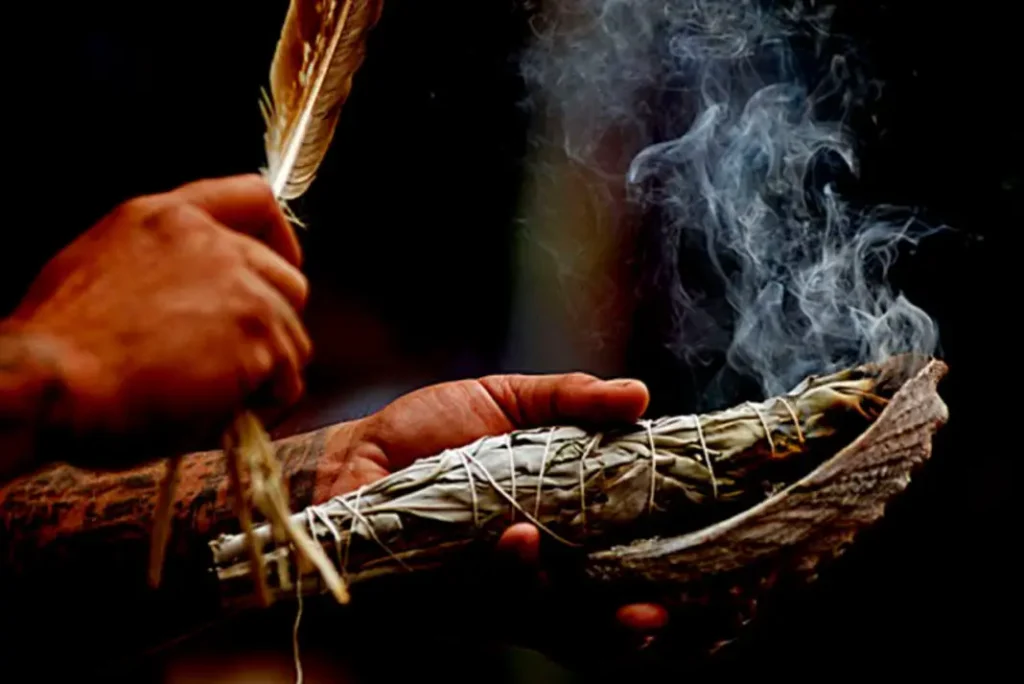
Native American healing practices are a rich tapestry of traditions, varying greatly among different tribes but commonly rooted in a deep connection with nature and the spiritual world. These practices include the use of medicinal plants, spiritual rituals, and purification rites, such as sweat lodges. The healing process is often holistic, focusing not just on the physical ailment but also on the spiritual and emotional well-being of the individual. Such practices emphasize the interconnectedness of all living things, a principle that resonates strongly in today’s increasingly interconnected global community.
In recent years, there has been a growing interest in incorporating Native American healing practices into modern holistic health approaches. This includes the use of herbal remedies, which are being studied for their potential in treating various diseases, and the adoption of spiritual and mindfulness practices for mental health. However, this integration also raises important questions about cultural appropriation and the ethical use of indigenous knowledge. It’s crucial to approach these practices with respect and acknowledgment of their cultural origins and significance.
The Integration of Ancient Techniques in Modern Medicine
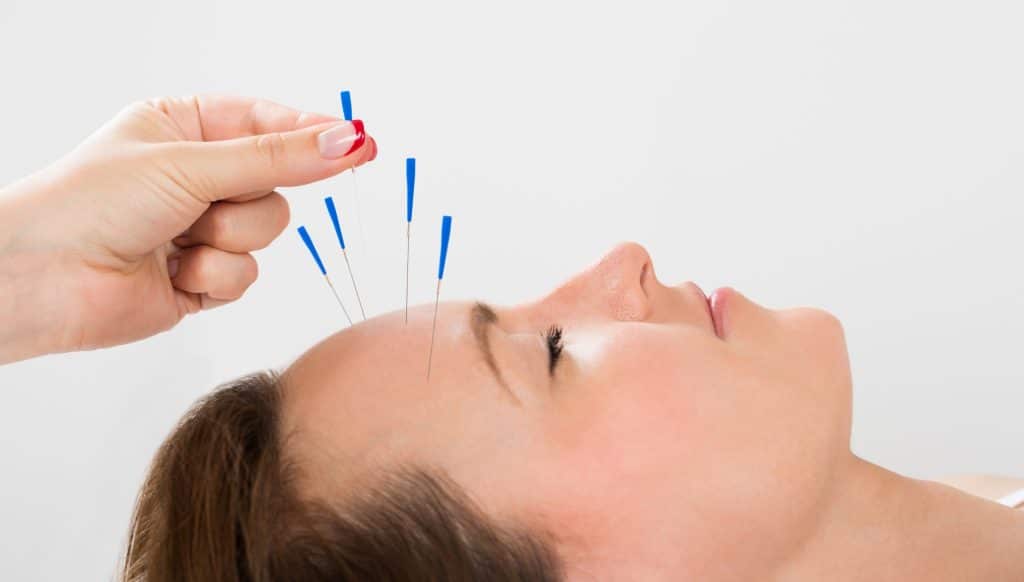
The integration of ancient healing techniques into modern medicine represents a significant shift towards a more holistic approach to health care. Hospitals and wellness centers are increasingly incorporating practices like acupuncture, yoga, and herbal remedies alongside conventional medical treatments. This integrative approach is not about replacing modern medicine but complementing it, offering patients a more comprehensive care plan that addresses both physical and mental health aspects.
One of the challenges of this integration is the need for scientific validation of ancient practices. While some, like acupuncture, have undergone extensive research, others still require more rigorous scientific scrutiny to be accepted widely in mainstream medicine. This integration also signifies a growing recognition of the value of preventive care and the importance of lifestyle and dietary choices in maintaining health. As modern medicine continues to evolve, the incorporation of ancient wisdom offers a more nuanced and patient-centric approach to healthcare.
Challenges and Criticisms
Despite the growing interest in ancient healing techniques, there are significant challenges and criticisms that come with their integration into modern healthcare. One of the primary concerns is the lack of scientific validation for many of these practices. Without rigorous clinical trials and scientific evidence, the medical community often remains skeptical about their efficacy. This skepticism extends to concerns over safety, quality control, and the potential for interactions with conventional medicines, particularly in the case of herbal supplements and remedies.
Another critical issue is the ethical aspect of using and commercializing traditional knowledge. There’s an ongoing debate about the appropriation of these techniques, especially when they are removed from their cultural and historical contexts. This raises questions about intellectual property rights and the benefits accruing to the indigenous communities who have been the custodians of this knowledge for centuries. Addressing these challenges requires a respectful, collaborative approach that honors the origins of these practices while rigorously testing their efficacy and safety in modern clinical settings.
The Future of Ancient Healing in Modern Times

Looking ahead, the fusion of ancient healing techniques with modern medicine presents an exciting frontier with immense potential. This integration could lead to a more comprehensive healthcare system that not only treats illness but also promotes overall wellness and prevention. There’s an increasing interest in exploring how ancient practices can inspire new medical discoveries and innovations, potentially leading to novel treatments and therapies. As the global community becomes more interconnected, the exchange of medical knowledge and practices across cultures can enrich the collective understanding of health and healing.
The future of ancient healing in modern times also hinges on the importance of preserving traditional knowledge. As these practices gain popularity, ensuring they are not lost or diluted in the process is crucial. This involves not only maintaining the integrity of the original practices but also adapting them to meet contemporary health needs and standards. The continued relevance of ancient healing in modern times lies in striking a balance between honoring the wisdom of the past and embracing the scientific advancements of the present, paving the way for a holistic, inclusive approach to health and wellness.
Bridging Ancient Wisdom and Modern Health
It is evident that these traditional practices offer more than just historical curiosity. They provide a holistic approach to health that complements and enriches our contemporary medical understanding. This exploration underscores the importance of balancing age-old wisdom with scientific rigor, offering a more rounded, patient-centered approach to health and wellness. As we move forward, the integration of these ancient techniques can lead us to a more comprehensive and inclusive healthcare paradigm, one that respects and utilizes the best of both worlds.