
Role Of Technology In Social Isolation

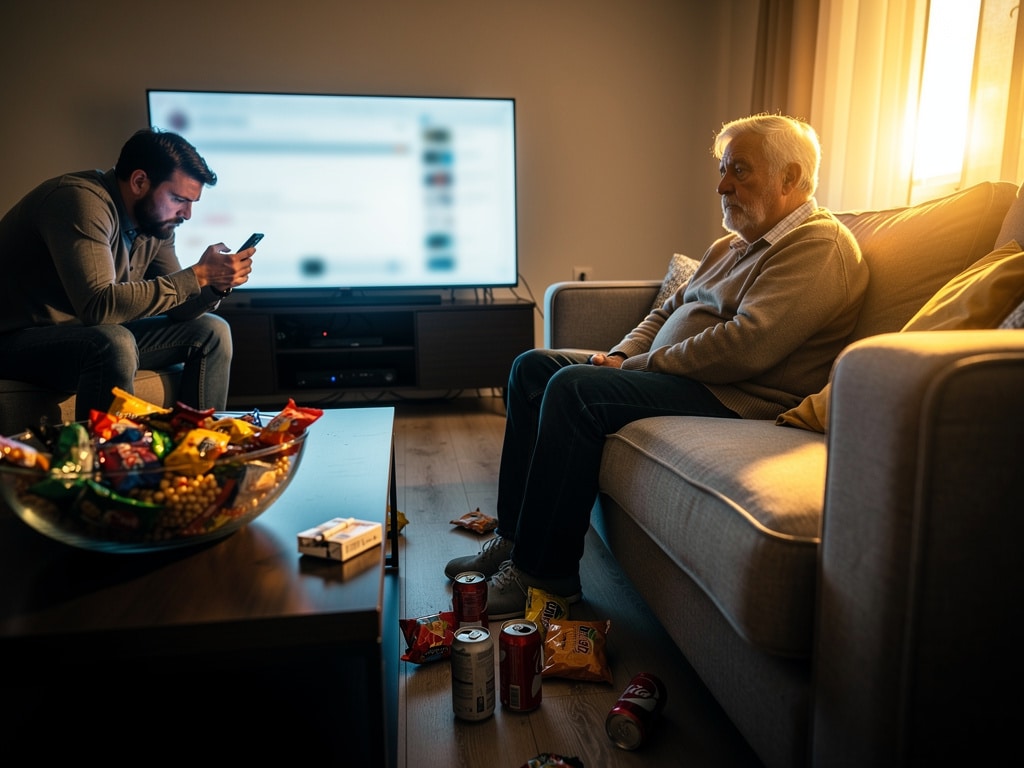
Technology plays a paradoxical role in the lives of the elderly. On one hand, it offers unprecedented opportunities for connection, enabling seniors to communicate with distant family members and friends through platforms like video calls and social media. These tools can be lifelines for those who are physically unable to travel or who live far from their loved ones. On the other hand, the reliance on digital communication can exacerbate feelings of isolation for those who are not digitally literate, creating barriers instead of bridges.
The potential of technology to combat social isolation among the elderly is significant. Initiatives like virtual community centers, online hobby groups, and telehealth services can provide vital connections and support. However, these solutions require the development of digital literacy among the elderly, along with accessible and user-friendly technology designs. Bridging the digital divide can empower the elderly to maintain their social networks and access essential services, thereby mitigating the effects of social isolation.
Community And Governmental Interventions
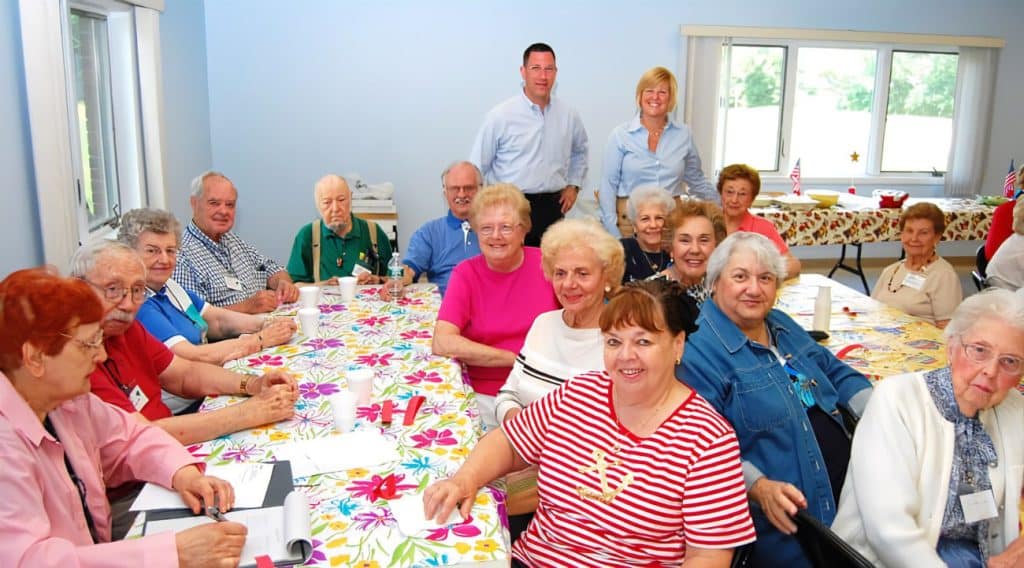
Communities play a crucial role in addressing social isolation among the elderly. Local initiatives, such as social clubs, hobby groups, and volunteer programs, provide opportunities for seniors to engage with peers and participate in communal activities. These programs not only foster social connections but also contribute to a sense of belonging and purpose. Community centers act as hubs for these activities, offering a physical space for the elderly to gather and interact.
Government policies and initiatives are also vital in combating social isolation. Support for community programs, investment in accessible public transportation, and the development of policies that encourage intergenerational interactions can significantly impact the social well-being of the elderly. Additionally, governments can promote awareness and understanding of the issue, leading to greater societal support and the development of more comprehensive solutions to address this growing concern.
The Importance Of Personal Relationships
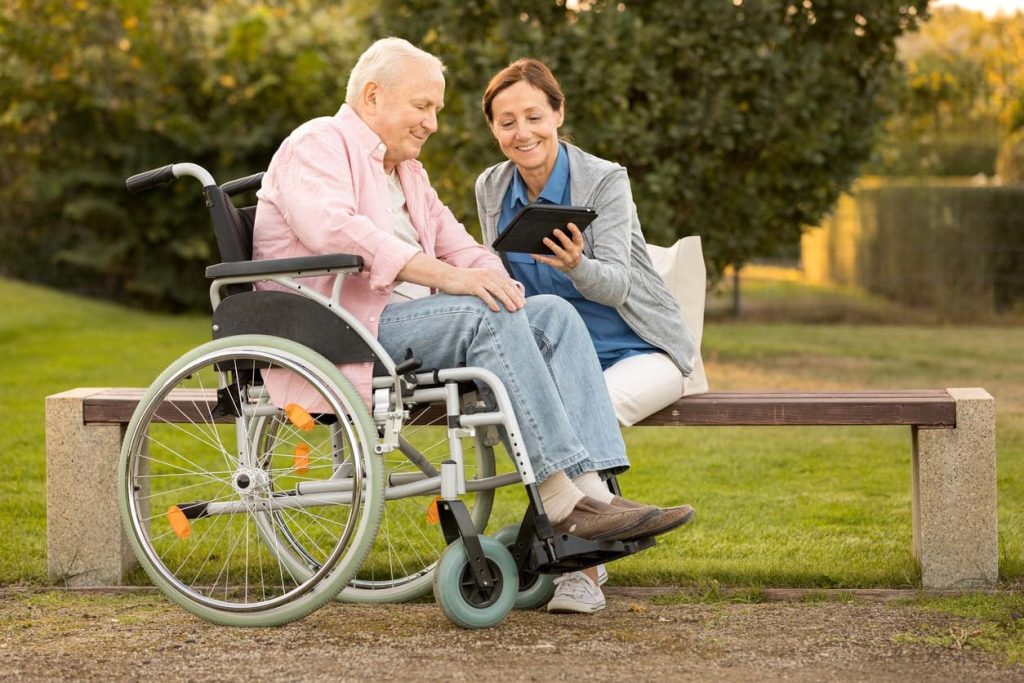
Personal relationships are fundamental in preventing social isolation among the elderly. Maintaining connections with family, friends, and caregivers provides emotional support and a sense of belonging. These relationships are crucial for mental and emotional well-being, helping to alleviate feelings of loneliness and isolation. Encouraging and facilitating regular contact with loved ones, whether through visits, phone calls, or letters, can make a significant difference in the lives of the elderly.
Building and nurturing new relationships is equally important. Seniors should be encouraged to engage in social activities and community events where they can meet new people and form new friendships. Programs that pair the elderly with volunteers or peers can be particularly effective. Such interactions not only expand their social circle but also provide opportunities for mutual learning and understanding, enriching the lives of all involved.
Empowering The Elderly To Overcome Isolation
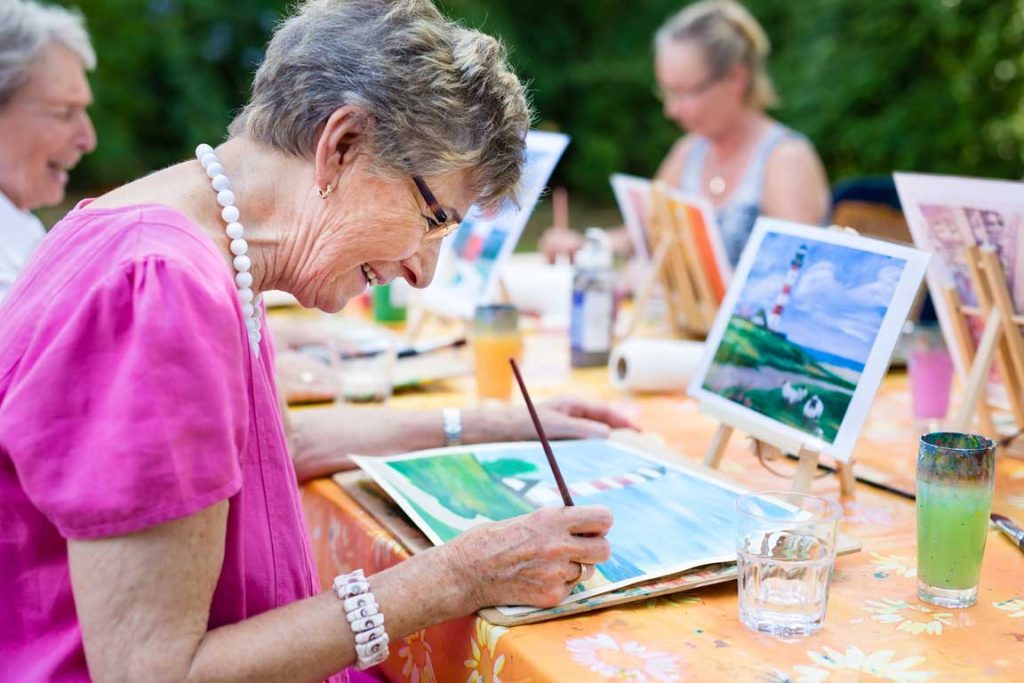
Empowering the elderly to take proactive steps in overcoming social isolation is essential. This can include encouraging participation in skill-building workshops that focus on developing new hobbies or interests, which can lead to new social connections. Additionally, fostering a sense of independence and self-reliance can motivate seniors to seek out social opportunities and engage more actively with their community.
Self-advocacy and confidence-building are crucial in empowering the elderly to combat isolation. Encouraging seniors to express their needs, desires, and interests, and to actively seek out social interactions, can significantly enhance their quality of life. Communities and caregivers can support this by providing platforms for the elderly to voice their opinions, share their experiences, and contribute to decision-making processes that affect their lives.
The Bottom Line
Social isolation in the elderly is a multifaceted issue that requires a comprehensive approach. From understanding the causes and impacts of isolation to leveraging technology and community resources, there is a range of strategies that can mitigate this growing concern. Personal relationships, community involvement, and empowering seniors to take an active role in their social lives are key to addressing the challenge. The collective effort of individuals, communities, and governments is essential in ensuring that the elderly are not only cared for but also valued and integrated members of society.