

Cognitive Decline and Dementia
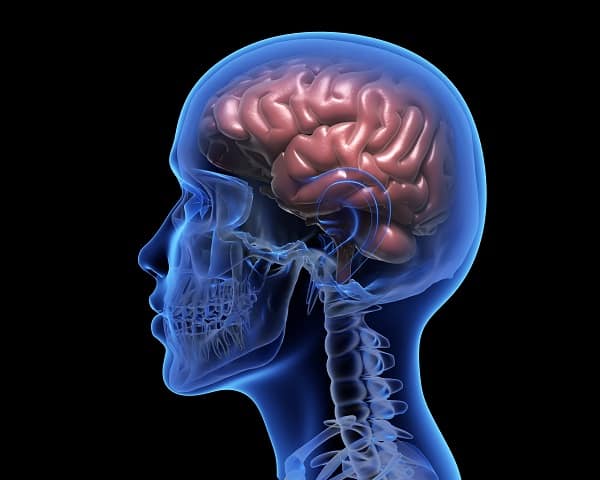
Emerging research highlights a significant link between hearing loss and cognitive decline, including an increased risk of dementia. Theories suggest that the extra cognitive load required to process sound in the presence of hearing loss may contribute to cognitive strain, potentially accelerating cognitive decline. The social isolation resulting from hearing loss can further exacerbate this decline, as social interaction is crucial for maintaining cognitive health.
While the exact mechanisms linking hearing loss to cognitive decline are still being explored, the evidence underscores the importance of early detection and intervention. Utilizing hearing aids and other assistive technologies can help mitigate these risks, emphasizing the need for prompt and effective management of hearing impairment to preserve cognitive function and overall brain health.
Emotional Toll of Hearing Loss

The emotional impact of hearing loss is as significant as its physical and psychological effects. Individuals with hearing impairment often experience a wide range of emotions, including frustration, anger, and grief over the loss of their hearing ability. These emotions can be overwhelming, particularly in the initial stages of diagnosis or as the condition progresses.
Moreover, the chronic nature of hearing loss can lead to long-term emotional strain, affecting an individual’s outlook on life and overall happiness. The journey of coping with hearing loss is unique for each person. Still, it often involves navigating a complex mix of emotions and adapting to new ways of interacting with the world. Support from family, friends, and professionals and effective coping strategies can be pivotal in managing these emotional challenges.
Importance of Early Detection and Intervention

Early detection and intervention of hearing loss are critical in mitigating its adverse effects. Early diagnosis allows for timely management, significantly improving the quality of life for individuals with hearing loss. This includes not only the use of hearing aids and other assistive devices but also access to rehabilitation services, which can teach coping and communication strategies.
Intervention at an early stage can also help in preventing some of the secondary effects of hearing loss, such as social isolation, cognitive decline, and mental health issues. Regular hearing check-ups, particularly for high-risk groups like the elderly and those exposed to loud noises, ensure early detection and effective management of hearing loss.
Navigating Healthcare and Support Systems

Navigating the healthcare system for hearing loss treatment can be challenging. It often involves a multidisciplinary approach, including audiologists, otolaryngologists, and hearing therapists. Understanding the available healthcare options and the pathways to accessing these services is vital for effectively managing hearing loss.
Support systems play a crucial role in the lives of those with hearing loss. This includes medical and rehabilitation support and emotional and social support. Community resources, support groups, and online forums can provide valuable assistance and a sense of belonging to individuals with hearing loss, helping them navigate the challenges and connect with others experiencing similar issues.
The Bottom Line
Hearing loss, often underestimated, has far-reaching implications affecting psychological, physical, and cognitive health and socioeconomic status. The journey through hearing loss is complex and multifaceted, necessitating a comprehensive approach to management that encompasses early detection, effective intervention, and robust support systems. Technological advancements and advocacy play crucial roles in enhancing the lives of those affected. By shedding light on these diverse impacts and advocating for comprehensive care and support, we can improve the lives of millions experiencing hearing loss, underscoring the need for heightened awareness and proactive management of this prevalent condition.