

The landscape of public health is ever-evolving, and a significant aspect of this change is the emergence of infectious diseases, which now pose a new set of challenges for seniors. Historically, diseases like influenza and pneumonia have been the primary health concerns for the elderly. However, recent years have seen a shift, with diseases previously limited to certain regions or populations now presenting a global threat. This shift is particularly concerning for seniors, whose age-related changes in immune function make them more susceptible to these emerging infectious diseases. Understanding these threats is crucial in developing strategies to protect one of the most vulnerable segments of the population.
Marburg Virus Disease

Marburg Virus Disease, a highly infectious and lethal disease, is part of the Filoviridae family, the same family as the Ebola virus. It is characterized by severe hemorrhagic fever, often leading to a high fatality rate. Transmission occurs through direct contact with the blood, body fluids, or tissues of infected persons or wild animals. The symptoms, which include high fever, severe headache, and muscle pain, can be particularly severe in seniors, exacerbating existing health issues and leading to more complicated medical outcomes.
For seniors, the threat posed by the Marburg virus is heightened due to their typically weaker immune systems. This vulnerability underscores the importance of preventive measures such as avoiding contact with potential vectors and adhering to travel advisories. Additionally, awareness of the symptoms and quick medical intervention are crucial. While there is currently no specific treatment or vaccine available for Marburg Virus Disease, supportive hospital care increases the likelihood of survival.
Lassa Fever
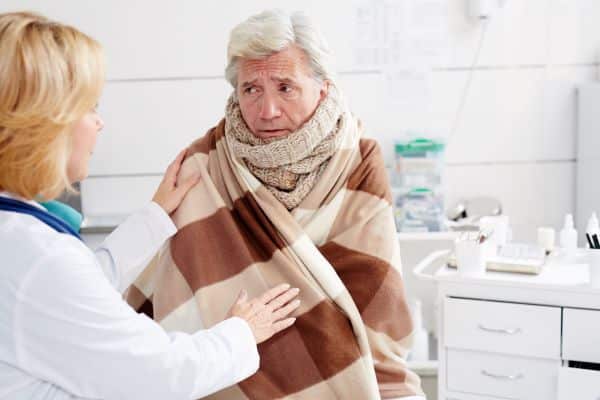
Lassa fever, endemic in parts of West Africa, is another emerging infectious disease that poses a significant threat to seniors. The disease is caused by the Lassa virus, transmitted to humans via contact with food or household items contaminated with urine or feces of infected Mastomys rats. Symptoms range from mild (fever, weakness) to severe (hemorrhaging, respiratory distress), and in severe cases, the fatality rate can be high, particularly in older adults.
The risk Lassa fever poses to seniors is compounded by age-related physiological changes and potential pre-existing health conditions. The infection can exacerbate chronic conditions such as diabetes or heart disease, which are more common in older adults. Preventive strategies include avoiding exposure to the common carriers, practicing good hygiene, and seeking immediate medical attention if symptoms develop. Early diagnosis and treatment are critical for improving survival rates, particularly for seniors.
MERS-CoV (Middle East Respiratory Syndrome Coronavirus)

Middle East Respiratory Syndrome Coronavirus (MERS-CoV) is a respiratory virus first identified in Saudi Arabia in 2012. It presents symptoms similar to the common cold but can escalate to severe respiratory illness, especially in people with pre-existing health conditions or weakened immune systems, like many seniors. The virus spreads through close contact with an infected person’s respiratory secretions, such as through coughing.
The impact of MERS-CoV on seniors is significant due to their diminished lung capacity and weakened immune responses, often resulting in more severe disease progression and a higher mortality rate. Preventive measures, particularly important for this demographic, include avoiding close contact with sick individuals and practicing good respiratory hygiene. Although there is no specific antiviral treatment recommended for MERS-CoV, early detection and supportive care can improve outcomes for infected seniors.
Nipah Virus
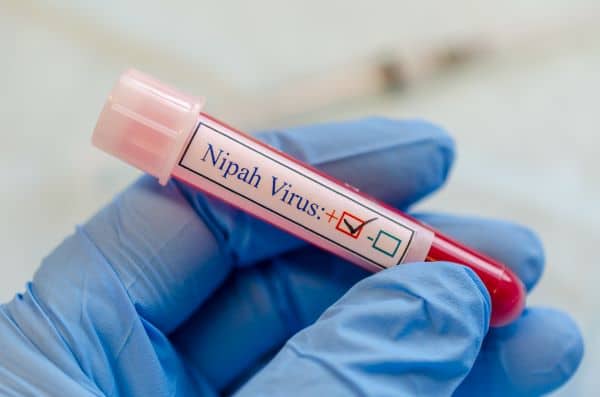
Nipah Virus, first identified in Malaysia and Singapore in 1998, is a zoonotic virus transmitted to humans from animals, particularly bats and pigs. It can also be transmitted from human to human, and its symptoms range from asymptomatic infection to acute respiratory infection and fatal encephalitis. Seniors are particularly at risk due to the potential for severe neurological complications that can exacerbate pre-existing health conditions. The fatality rate of Nipah Virus is alarmingly high, and there is currently no vaccine or specific treatment available, making prevention and early detection critical.
For seniors, the risk is heightened by the fact that Nipah Virus can present with atypical symptoms in older adults, making it harder to diagnose and treat effectively. Preventive measures include avoiding exposure to sick animals and maintaining high standards of personal hygiene. Additionally, awareness of the disease’s symptoms and quick access to medical care are vital, particularly for seniors living in or traveling to areas where the virus is prevalent. The healthcare system plays a crucial role in educating seniors about the risks and in implementing effective surveillance systems to detect and contain outbreaks.