

Diabetes And Metabolism: Balancing The Scales

The risk of developing type 2 diabetes increases with age, and therefore, blood glucose levels should be closely monitored after fifty. A simple blood test can reveal how well the body is managing blood sugar and can be an early indicator of pre-diabetes or diabetes. Early diagnosis and management of blood sugar levels are vital to controlling the condition and preventing more serious complications, such as kidney damage, vision loss, and neuropathy. Since symptoms can often be subtle or non-existent in the early stages, regular testing becomes an important tool in maintaining metabolic health.
Alongside blood glucose tests, assessing thyroid function can also be crucial, as the thyroid gland regulates metabolism, energy generation, and mood. Symptoms of a malfunctioning thyroid, including unexplained weight gain or loss, fatigue, and changes in heart rate, can often be mistakenly attributed to aging. Simple blood tests to measure thyroid hormone levels can identify problems early, allowing for interventions that can greatly improve an individual’s quality of life. Managing metabolic health after fifty requires attention to these details to ensure a balanced, healthy body.
Vision And Hearing: Senses Under Surveillance
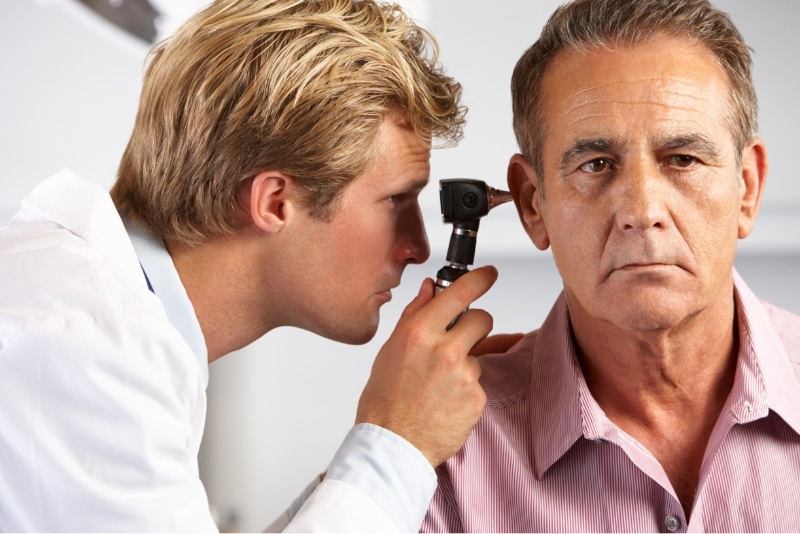
Age-related changes in vision and hearing can significantly impact daily life, making regular exams more important than ever after fifty. Eye exams not only assess vision changes but also screen for age-related diseases such as glaucoma, cataracts, and macular degeneration. These conditions can progress slowly and without pain, often going unnoticed until they are advanced. Early detection through regular comprehensive eye exams can lead to treatments that may slow disease progression and prevent vision loss, preserving independence and quality of life.
Hearing loss is another common issue that can creep in with age. It can lead to difficulties in communication, social isolation, and even cognitive decline. Regular hearing tests are recommended to ensure any decline can be addressed with hearing aids or other assistive devices. These screenings are simple yet effective and can have profound benefits, enabling individuals to stay connected with their environment, loved ones, and the broader community. Protecting the senses of sight and hearing, therefore, plays a fundamental role in safeguarding an active and engaged lifestyle.
Mental Health And Cognitive Function: Mind Matters

The importance of mental health becomes more pronounced with age, as individuals may face significant life changes, including retirement, the loss of loved ones, and physical health challenges. Mental health screenings can help identify issues such as depression and anxiety, which are not normal parts of aging and are as important to address as physical health concerns. Treatments can include medication, therapy, and lifestyle changes such as increased social interaction and physical activity, all of which can improve mental health and overall well-being.
Cognitive function is also an area of concern as one advances in years. Memory tests and other cognitive assessments can help differentiate between normal age-related changes in memory and cognitive abilities and more serious conditions like dementia or Alzheimer’s disease. Early detection of cognitive issues allows for a broader range of interventions that can help maintain cognitive function and assist in planning for future health care needs. Maintaining brain health is just as crucial as maintaining bodily health, and both require attention and care.
The Bottom Line
As the years advance beyond the half-century mark, embracing the full spectrum of health checks becomes a key strategy for preserving health and vitality. These checks act as a foundation for a proactive approach to well-being, guiding individuals through a landscape where prevention is as crucial as the treatment of existing conditions. Staying informed, engaging with healthcare professionals, and scheduling regular screenings offer the best defense against the health challenges that can accompany later years. Ultimately, the commitment to one’s health post-50 not only adds years to life but also life to those years.