Contents
Stress And Your Tresses
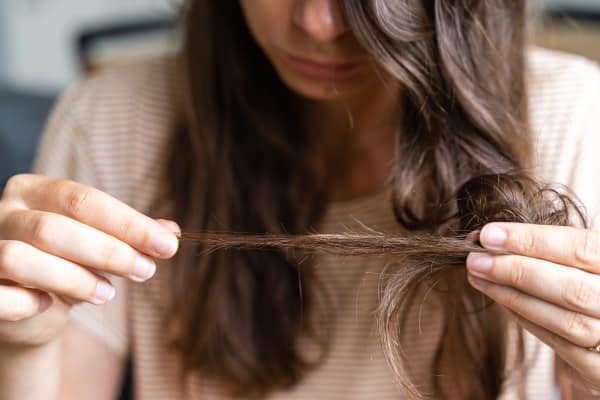
Stress isn’t just a mental or emotional burden; it manifests physically in various ways, including the health of your hair. Elevated stress levels can lead to conditions like telogen effluvium, where hair shifts from the growing phase to the resting phase before prematurely falling out. Additionally, stress can exacerbate scalp problems like dandruff and can even contribute to graying hair.
Managing stress is essential for maintaining healthy hair. Exercise, meditation, and adequate sleep can go a long way in reducing stress levels. If you notice significant changes in your hair and you’ve been under a lot of stress, it might be time to consider stress management techniques or consult a healthcare provider for a comprehensive solution.
Scalp Health: The Foundation Of Good Hair

A healthy scalp is the bedrock of healthy hair. Issues like dandruff, excessive dryness, or oiliness can not only affect your hair but also be indicators of other health problems. For example, a flaky scalp could be a sign of an underlying skin condition like psoriasis, which may require medical attention.
Maintaining a healthy scalp involves more than just shampooing. Proper hydration, regular exfoliation, and even the right hair products can contribute to a healthier scalp. If you’re experiencing persistent scalp issues, it may be a sign to delve deeper into your overall health and consult a healthcare provider.
Hair And Aging
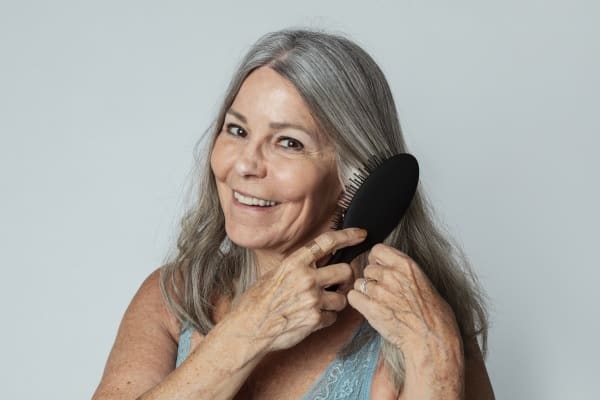
As you age, your hair naturally undergoes changes. Graying is the most visible sign, but thinning and changes in texture are also common. While these changes are often a natural part of aging, they can sometimes indicate health issues. For example, sudden or excessive hair loss could indicate a medical condition requiring attention.
While you can’t stop the aging process, you can take steps to maintain healthy hair as you age. A balanced diet, proper hair care, and regular check-ups can help you differentiate between natural aging and potential health issues. If you’re concerned about the changes in your hair, a healthcare provider can offer guidance and treatment options.
Consulting The Experts

Sometimes, despite your best efforts, hair problems persist, signaling that it’s time to consult a healthcare provider or dermatologist. Unexplained or severe hair loss, persistent scalp issues, or sudden changes in texture should not be ignored. These could be symptoms of underlying health issues that require professional diagnosis and treatment.
Early detection and intervention are crucial when dealing with hair and health-related issues. If you’re experiencing persistent problems with your hair, don’t hesitate to seek professional advice. Various tests, such as blood tests or scalp biopsies, can provide a more accurate diagnosis, guiding you toward the most effective treatment.
Take Control Of Your Hair And Your Health
In the journey of life, your hair serves as a subtle yet telling roadmap of your health. While it’s easy to dismiss hair issues as mere cosmetic concerns, they often reflect deeper, underlying health conditions. So, don’t just brush off those bad hair days. Be proactive in understanding what your hair is telling you about your health and take steps to address any concerns. Your hair, and more importantly, your health, will be better off for it!