Pimples, a common skin concern, affect millions of people around the globe. They appear due to various factors including hormonal changes, diet, and skin type, often leading to discomfort and a decrease in confidence. Navigating through the myriad of advice and treatments available can be overwhelming. This article aims to offer a comprehensive guide, shedding light on effective, science-backed strategies to tackle pimples head-on. By understanding their origin, maintaining proper hygiene, and seeking professional help when necessary, individuals can arm themselves with the tools needed to achieve clearer, healthier skin.
Understanding Pimples

Pimples emerge from the pores of the skin, often as a result of them being clogged with oil, dead skin cells, and other impurities. These obstructions create a perfect environment for Propionibacterium acnes, the bacteria leading to acne, to thrive. Hormonal fluctuations, especially during adolescence, can lead to an increase in sebum production, exacerbating the problem. External factors such as environmental pollution and certain cosmetic products can also contribute to the development of pimples, making them a complex issue to resolve.
Genetics play a pivotal role in an individual’s susceptibility to acne. Those with a family history of acne are likely to experience a similar struggle, pointing to a hereditary connection. Furthermore, hormonal imbalances, particularly in androgens, can elevate sebum production, leading to more frequent and severe breakouts. Recognizing the underpinning factors of pimples, including both intrinsic and extrinsic influences, is the first step towards targeted and effective management.
Maintaining Skin Hygiene
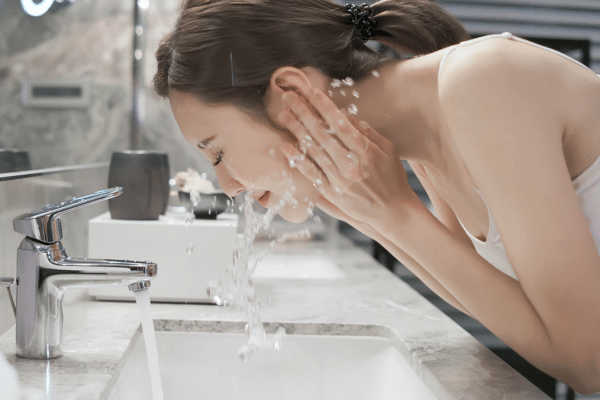
Cleanliness is paramount in the quest to reduce and prevent pimples. The daily accumulation of dirt, oil, and sweat can clog pores and exacerbate acne. It’s essential to wash the face gently twice daily using a mild cleanser to remove these impurities. Over-washing or scrubbing the skin too harshly can strip it of its natural oils and lead to increased oil production and irritation, so a balanced approach is crucial.
Choosing the right skincare products is also an essential component of skin hygiene. It’s advisable to opt for ‘non-comedogenic’ products, meaning they won’t clog pores. Ingredients like benzoyl peroxide, salicylic acid, and alpha hydroxy acids are known for their effectiveness in preventing and treating pimples. They work by exfoliating the skin, reducing inflammation, and combatting acne-causing bacteria. Each person’s skin is unique; therefore, it may take some experimentation to find the most suitable products that are both effective and gentle on the skin.
Diet And Nutrition

Dietary habits can significantly influence the condition of the skin. Consuming foods high in sugar and fats has been associated with triggering acne. On the contrary, a diet rich in vegetables, fruits, and whole grains fosters healthier skin. Specific nutrients like vitamins A, E, and zinc play a pivotal role in maintaining skin integrity and can be instrumental in reducing pimples. Hence, including foods rich in these nutrients may contribute to managing acne more effectively.
Hydration is another crucial aspect often overlooked. Drinking adequate amounts of water aids in flushing toxins out of the body, contributing to clearer skin. Moreover, reducing the intake of dairy products and sugary beverages can also make a considerable difference. Research suggests a correlation between such foods and acne, although individual responses can vary, making it essential for each person to monitor and adapt their diet according to their skin’s reactions.