
Topical Treatments

Topical treatments can be highly effective in the management of pimples. Creams, gels, and lotions containing ingredients like benzoyl peroxide, salicylic acid, and retinoids can target acne-causing bacteria, reduce inflammation, and promote cell turnover. These treatments can often yield visible results, but it’s essential for individuals to follow the application guidelines to avoid potential skin irritation and other side effects.
The selection of a suitable topical treatment requires consideration of the skin type and acne severity. It may be beneficial to start with lower concentration products to gauge the skin’s response. Given the myriad of options available, patience and persistence are key to finding a solution that delivers desired results. Monitoring the skin’s reaction and adapting the treatment regimen accordingly ensures that the skincare routine is both safe and effective.
Home Remedies
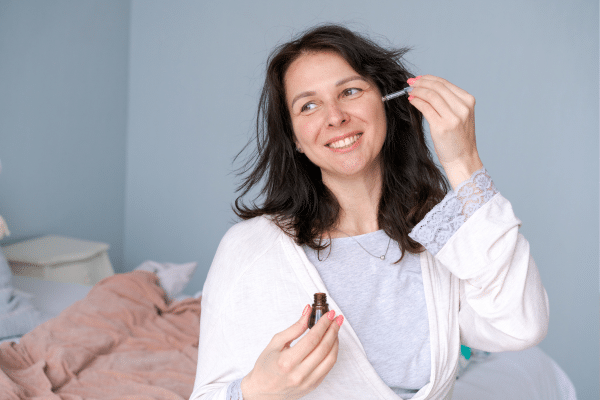
There are numerous home remedies that people often turn to for a natural approach to treating pimples. Ingredients like honey, tea tree oil, and aloe vera have been praised for their anti-inflammatory and antimicrobial properties. They can potentially alleviate redness, swelling, and irritation associated with acne. It is, however, crucial to approach these remedies with caution, as not all natural means are safe or effective for every skin type.
Research and anecdotal evidence support the efficacy of these natural treatments to a degree. However, it is essential to patch test any new ingredient on a small area of the skin to monitor for adverse reactions. Even natural ingredients can sometimes lead to irritation or allergic reactions. Also, individuals should be aware that home remedies are typically more suited for mild acne and may not provide significant relief for more severe cases.
Stress Management
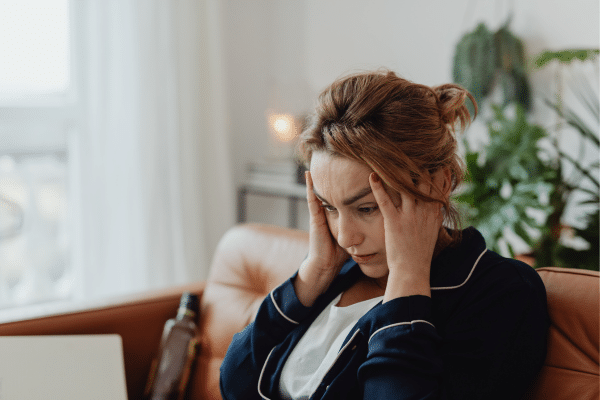
Stress and acne are closely related; heightened stress levels can lead to an increase in hormones like cortisol, which in turn can stimulate the sebaceous glands to produce more oil. This excess oil can lead to clogged pores and an increase in pimples. Balancing stress, therefore, plays a crucial role in managing acne. Activities like exercise, meditation, and engaging in hobbies can effectively mitigate stress levels, promoting not only mental well-being but also healthier skin.
A routine that incorporates elements aimed at reducing stress can lead to noticeable improvements in acne over time. Regular physical activity, for example, not only reduces stress but also increases blood flow to the skin, promoting healing and regeneration. Adequate sleep is another vital component, as lack of sleep is linked to increased stress and hormonal imbalances, further exacerbating acne. Thus, comprehensive lifestyle management that includes stress reduction can be instrumental in achieving clearer skin.
Seek Professional Help
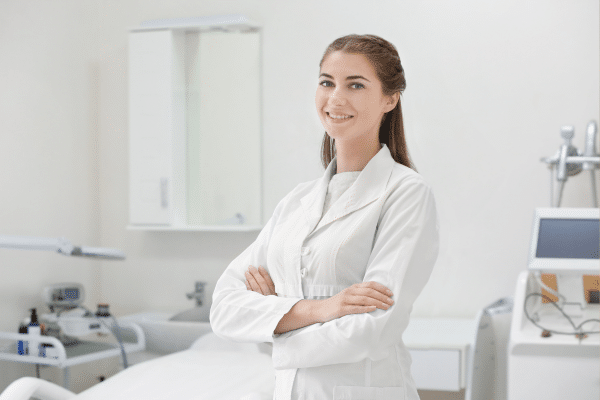
For persistent or severe acne, seeking the assistance of a dermatologist is often the most effective course of action. A professional can provide a customized treatment plan based on the specific type and severity of acne. They can offer prescriptions for stronger topical treatments or oral medications, which can be particularly helpful for those struggling to find relief with over-the-counter options.
In some cases, procedures such as chemical peels, laser therapy, or drainage and extraction methods can be employed to treat resistant acne. These procedures should always be conducted by trained professionals to ensure safety and efficacy. Seeking professional help is not only about treating existing pimples but also about prevention and managing the potential scarring and pigmentation changes associated with severe acne. Each treatment plan is tailored, taking into account the individual’s specific needs and skin type to achieve optimal results.
The Bottom Line
Acne is a prevalent issue affecting people from various age groups, presenting an array of challenges. However, it is manageable through a combination of appropriate skin hygiene, balanced diet, effective topical treatments, and professional help when needed. A holistic approach, including stress management and even natural home remedies, can supplement these efforts. Achieving clear skin is a journey that requires patience, persistence, and a tailored strategy, considering each individual’s unique skin type, lifestyle, and specific acne triggers. Armed with this comprehensive guide, readers are empowered to embark on a more informed and effective journey to acne-free skin.