

The Superfood Hype

“superfood” has become a marketing buzzword, often used to describe foods rich in nutrients and antioxidants. While it’s true that foods like berries, kale, and quinoa are nutritionally dense, labeling them as “superfoods” can create unrealistic expectations. No single food, no matter how “super,” can compensate for an overall unhealthy diet or lifestyle.
Moreover, the superfood label often leads to overconsumption of a particular food, neglecting the importance of a balanced diet. For example, consuming large amounts of a superfood like goji berries doesn’t make up for a diet lacking other essential nutrients. The body thrives on various foods, each offering a unique nutrient set that contributes to overall health. Therefore, instead of fixating on individual superfoods, aim for a balanced, varied diet that includes a range of nutrient-rich foods.
The Gluten-Free Bandwagon

The gluten-free trend has swept the nation, and many people have jumped on the bandwagon, believing that a gluten-free diet offers extra health benefits. However, the reality is that gluten-free diets are primarily beneficial for those with celiac disease or gluten sensitivity. For the general population, going gluten-free doesn’t necessarily mean going healthier. Many gluten-free products are high in sugar, fat, and artificial additives to make up for the texture and flavor that gluten provides.
Additionally, gluten-free foods often have a higher price tag and can be less nutritious than their gluten-containing counterparts. Whole grains containing gluten are a good source of fiber, vitamins, and minerals. People who unnecessarily opt for gluten-free may miss out on these essential nutrients. The bottom line is that a gluten-free diet is not a one-size-fits-all solution for better health and should not be adopted without proper medical consultation.
The Detox Diet Delusion
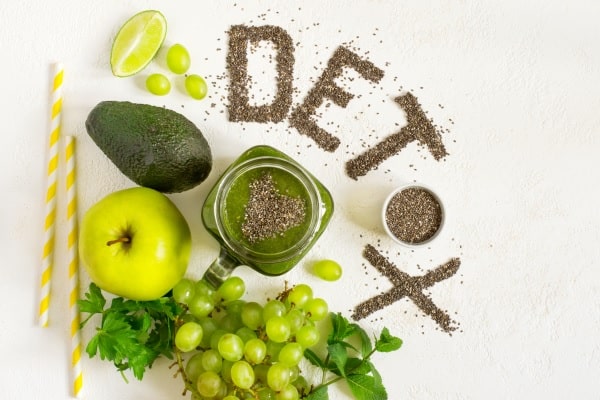
Detox diets have gained immense popularity, often promoted as quick fixes to flush out toxins and promote weight loss. However, the human body already has natural detoxification systems, including the liver and kidneys. No scientific evidence supports the idea that detox diets enhance the body’s natural cleansing processes. Some detox diets can be harmful, leading to nutrient deficiencies and other health issues.
Furthermore, “detoxing” often involves restrictive eating or fasting, which can lead to nutrient deficiencies and muscle loss. Some detox plans also recommend laxatives or diuretics, which can cause dehydration and electrolyte imbalances. Rather than resorting to extreme measures, a balanced diet rich in fiber, vitamins, and minerals can support the body’s natural detoxification processes far more effectively.
The Timing of Meals: Does it Matter?

Another common misconception is that the timing of meals plays a crucial role in weight loss or gain. While some studies suggest that eating late at night could lead to weight gain, the overall caloric intake throughout the day is far more significant. The body’s metabolism doesn’t clock out after 6 p.m.; it processes food the same way during the day.
Moreover, rigid meal timing can lead to unnecessary stress and may not be practical for everyone due to varying work schedules, family commitments, or lifestyle choices. The focus should be on the quality and quantity of food consumed rather than the timing. Eating balanced meals and snacks when it suits individual schedules is a more sustainable and effective approach to healthy eating.
The Bottom Line
Navigating the world of healthy eating can be a complex endeavor, fraught with myths and misconceptions that can derail even the most well-intentioned efforts. From the misleading allure of “low-fat” and “fat-free” labels to the oversimplification of calorie counting, many pitfalls await the uninformed consumer. Add to that the misconceptions surrounding organic foods, superfoods, gluten-free diets, detox plans, and meal timing, and it’s clear that a well-rounded, informed approach is essential for making truly healthy choices. The key takeaway is that there’s no shortcut or magic bullet for health. It requires a balanced diet and a lifestyle that includes regular exercise and stress management.