Contents
Dosage and How to Incorporate Turmeric

When considering the inclusion of turmeric into a dietary regimen, it is important to take note of the recommended dosage guidelines. For adults, it is generally suggested to start with small amounts and gradually increase the dosage, taking into account individual tolerances. Most studies suggest that taking between 500-2,000 mg of curcumin per day is safe and effective for anti-inflammatory purposes, though it’s always best to consult a healthcare provider for personalized advice.
Incorporating turmeric into daily life doesn’t have to be a chore. It can be as simple as adding a teaspoon to a smoothie or using it to spice up a stir-fry. For those who prefer a more concentrated form, turmeric supplements are widely available and can offer a more potent dose of curcumin. Keep in mind that curcumin is not easily absorbed by the body, so it is often recommended to take it with black pepper or fat to enhance absorption. Regardless of the chosen method, the spice offers a versatile and convenient way to experience its anti-inflammatory benefits.
Precautions and Side Effects

Although turmeric is generally considered safe for most people when consumed in moderate amounts, it’s important to be aware of potential side effects. For instance, taking high doses of turmeric or curcumin supplements can lead to gastrointestinal issues like nausea or diarrhea. Additionally, because of its blood-thinning properties, those who are already taking anticoagulant medications should exercise caution and consult a healthcare provider before starting a regimen that includes turmeric.
Specific populations need to be particularly cautious when it comes to turmeric supplementation. Pregnant and breastfeeding women, for example, should avoid taking high doses due to insufficient evidence regarding its safety during these periods. Similarly, individuals with gallstones or gallbladder issues should steer clear of turmeric supplements as they could exacerbate the condition. Always consult a healthcare provider for advice tailored to individual needs and conditions.
Additional Benefits of Turmeric
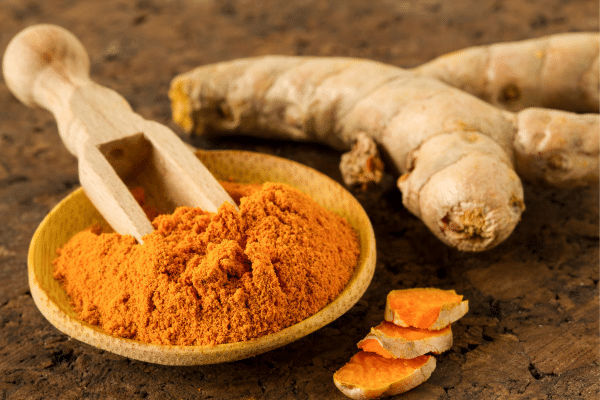
Beyond its anti-inflammatory properties, turmeric boasts a range of other health benefits that are worth noting. Its antioxidant capabilities are strong enough to combat oxidative stress, which contributes to aging and various chronic conditions. Some studies even point to its potential role in fighting against cancer, although more research is needed in this area to substantiate such claims.
It should be emphasized that while turmeric offers an array of potential health benefits, it is not a magic cure-all. It can serve as an adjunct to medical treatments but should not replace prescribed medications or therapies for serious conditions. Consulting a healthcare provider for comprehensive diagnosis and treatment is crucial when dealing with chronic or severe health issues.
The Bottom Line
Understanding the importance of managing inflammation can make a significant impact on overall well-being. Turmeric, with its rich history and potent active ingredient, curcumin, offers a promising natural approach to mitigating various inflammatory conditions. From joint pain to gastrointestinal issues, the scope of its potential benefits is wide-ranging. However, it’s crucial to exercise caution and consult a healthcare provider for personalized advice, particularly if one is pregnant, taking other medications, or dealing with chronic health issues. As an accessible and versatile spice, turmeric merits consideration as a worthwhile addition to an anti-inflammatory lifestyle.