

Inflammation serves both as a vital defense mechanism and a potential health concern when it becomes chronic. Turmeric, a vibrant yellow spice known for its culinary uses, is increasingly recognized for its anti-inflammatory properties. This post explores the role of inflammation, the historical uses of turmeric, and the scientific basis for its anti-inflammatory effects. Keep reading to learn more!
What Is Inflammation?

Inflammation is the body’s natural response to injury, infection, or harmful stimuli. It acts as a protective mechanism that aims to remove the offending agents and initiate the healing process. The classic signs of inflammation include redness, swelling, heat, and pain. While these symptoms may cause discomfort, they serve an essential role by signaling that the immune system is actively working to restore normalcy.
However, not all inflammation is beneficial. It falls into two categories: acute and chronic. Acute inflammation is usually short-lived and resolves once the underlying issue has been addressed. On the contrary, chronic inflammation persists for extended periods and can lead to detrimental effects on overall health. Conditions such as arthritis, cardiovascular diseases, and even some forms of cancer are thought to have an inflammatory component, making it crucial to manage inflammation effectively.
The Historical Use of Turmeric

Long before turmeric became a household name for its medicinal properties, it had been revered in ancient medical traditions like Ayurveda. Originating from India and other parts of South Asia, Ayurvedic medicine has prescribed turmeric for a variety of ailments for thousands of years. Whether used as a paste for skin conditions or consumed as a tea for digestive issues, turmeric was a staple in ancient wellness regimens.
Fast forward to modern times, and this age-old spice has found its way into capsules, creams, and dietary supplements. While the traditional uses of turmeric were often passed down through generations without formal documentation, contemporary science is now validating many of these claims. Numerous studies have focused on understanding how turmeric can be effective in treating conditions ranging from skin problems to chronic diseases, often attributing its healing properties to its potent anti-inflammatory effects.
The Active Ingredient – Curcumin
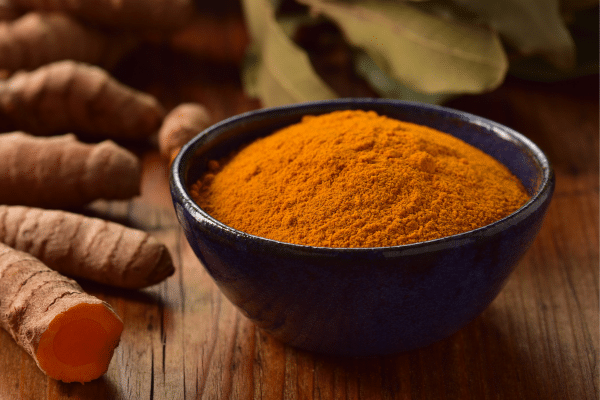
The compound responsible for turmeric’s vibrant yellow hue is also the key to its anti-inflammatory powers: curcumin. This bioactive compound has been the focus of extensive research aimed at understanding its potential health benefits. Various studies indicate that curcumin possesses significant anti-inflammatory properties. Some research even suggests that its potency may rival that of over-the-counter anti-inflammatory drugs, without the associated side effects.
One cannot discuss the benefits of turmeric without highlighting the multiple scientific studies that underscore the anti-inflammatory effects of curcumin. For example, research has shown that curcumin can inhibit the production of specific enzymes and proteins that contribute to inflammation. These findings provide strong evidence for curcumin’s role as an effective anti-inflammatory agent, making turmeric a topic of interest for both traditional medicine practitioners and modern scientists alike.
How Does Turmeric Help With Inflammation?

At a biochemical level, turmeric interacts with various molecules and pathways to exert its anti-inflammatory effect. One of the key mechanisms involves the inhibition of an enzyme known as COX-2, which plays a crucial role in the inflammation process. By blocking this enzyme, curcumin helps to mitigate the inflammatory response. In addition to this, curcumin has antioxidant properties that neutralize harmful free radicals, thereby further reducing inflammation.
Given its multiple mechanisms of action, turmeric is not limited to combating one type of inflammation or condition. For instance, individuals with osteoarthritis have reported relief from joint pain and improved mobility after incorporating turmeric into their routines. Similarly, people with gastrointestinal issues like Crohn’s disease or ulcerative colitis may experience a decrease in symptoms due to the anti-inflammatory effects of turmeric. These examples illustrate the wide range of inflammatory issues that could potentially benefit from this natural remedy.