
Salmon
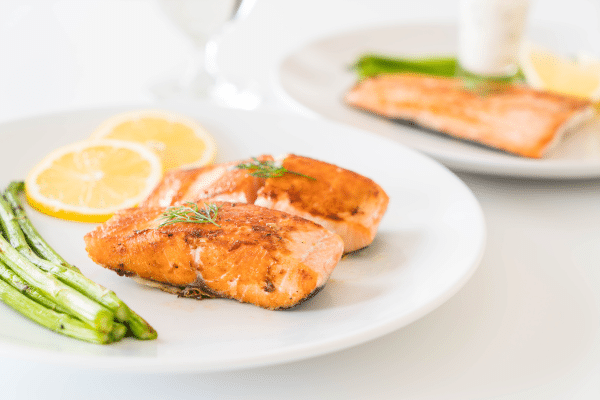
Salmon, a favorite among seafood enthusiasts, offers more than just an enticing flavor. This fish is rich in omega-3 fatty acids, especially eicosapentaenoic acid (EPA) and docosahexaenoic acid (DHA). These specific fatty acids play pivotal roles in maintaining the integrity of brain cells, supporting optimal brain functionality, and even protecting against potential cognitive decline.
The benefits of salmon don’t stop at omega-3s. Rich in B vitamins, salmon aids in the production of neurotransmitters, ensuring smooth communication between brain cells. Moreover, regular consumption of this fish can lead to improved mood and reduced risk of depressive symptoms, thanks to its ability to support serotonin and dopamine production, both of which are vital neurotransmitters related to mood regulation.
Green Tea

Green tea, a beverage revered in many cultures, offers distinct advantages for brain health. One of its key compounds, catechins, provides protection against neurodegenerative conditions. Catechins serve as antioxidants, warding off potential harm from oxidative stress and inflammation, thereby safeguarding brain health and function.
Yet, the true genius of green tea lies in the synergy of its components. Caffeine and L-theanine, both present in the tea, work in tandem to bolster brain functions. While caffeine is known for increasing alertness, L-theanine promotes relaxation without drowsiness. Together, they enhance focus, attention, and cognitive sharpness, making green tea a beverage of choice for mental rejuvenation.
Turmeric
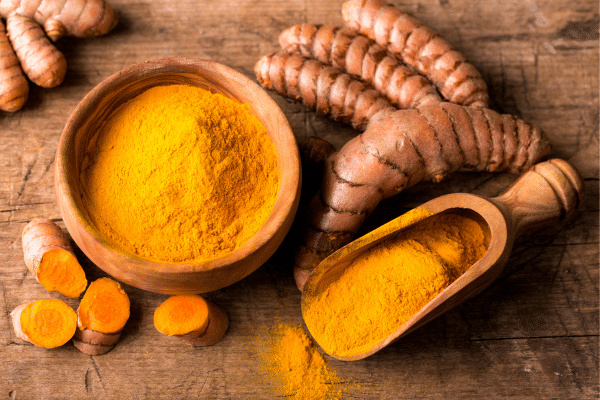
Turmeric, a golden-hued spice integral to many Asian cuisines, offers brain benefits that extend beyond its culinary appeal. The primary compound responsible for its brain-boosting properties is curcumin. This component is known for its potent anti-inflammatory and antioxidant characteristics. By neutralizing harmful free radicals and reducing inflammation, curcumin plays a role in protecting the brain against potential degenerative diseases and cognitive decline.
Further emphasizing its importance, turmeric has been studied for its influence on mood-enhancing neurotransmitters. Curcumin facilitates the increase of serotonin and dopamine levels, both crucial for mood regulation. By actively promoting the production of these neurotransmitters, turmeric consumption can potentially alleviate symptoms of depression and elevate overall mood.
Pumpkin Seeds
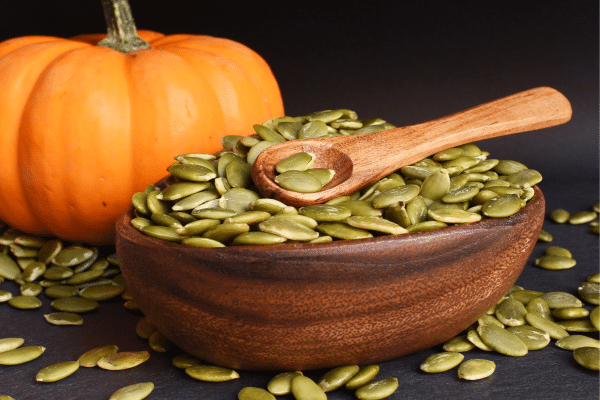
Pumpkin seeds, often enjoyed as a crunchy snack, harbor a wealth of nutrients pivotal for brain health. They are rich in magnesium, iron, zinc, and copper. Magnesium is vital for learning and memory, iron ensures that the brain receives ample oxygen, zinc is crucial for nerve signaling, and copper plays a role in controlling nerve signals. Collectively, these minerals ensure the brain functions at its best, staying sharp and responsive.
Moreover, pumpkin seeds are packed with antioxidants that offer a protective barrier against damage by free radicals. By mitigating oxidative stress, these antioxidants ensure that neural pathways remain unobstructed and efficient, leading to enhanced cognitive performance and reduced risk of neurodegenerative conditions.
The Bottom Line
When considering overall health, it’s vital to remember that the brain, as the command center, requires special attention. By integrating brain-enhancing foods into daily diets, one can not only safeguard against cognitive decline but actively boost mental prowess. From the antioxidant-rich blueberries to the omega-filled salmon, each food offers a unique set of benefits tailored for brain health. Embracing a diet rich in these foods is a step toward achieving optimal mental clarity, memory, and focus, ensuring a sharper mind for the years to come.