

Health Risks Associated With High Red Meat Intake

Consumption of red meat, especially in large quantities, has been linked to various health issues. Cardiovascular diseases, primarily heart disease and stroke, are of particular concern. Saturated fats and cholesterol found in red meat contribute to the build-up of arterial plaque, increasing the risk of these diseases. On top of that, high levels of sodium in processed red meats can contribute to high blood pressure.
Studies also suggest a connection between red meat consumption and an increased risk of certain types of cancer, particularly colorectal cancer. Processed red meats often contain preservatives that can form carcinogenic compounds when cooked or digested. Even unprocessed red meats cooked at high temperatures can develop harmful and potentially cancer-causing substances. Knowing this, it becomes clear that moderating red meat consumption is crucial for long-term health.
Ethical Considerations

Ethical concerns surrounding red meat are often related to factory farming practices. These industrial setups prioritize efficiency and profitability over the welfare of the animals. Living conditions in these facilities are frequently overcrowded and stressful, leading to ethical questions about animal treatment.
Sustainable alternatives, such as pasture-raised or wild-caught meats, offer a way to consume animal products more ethically. These methods focus on the animal’s quality of life, often allowing for more natural behaviors and better living conditions. However, they come at a higher cost, both financially and in terms of accessibility, making it a complex issue to navigate.
The Economic Factor
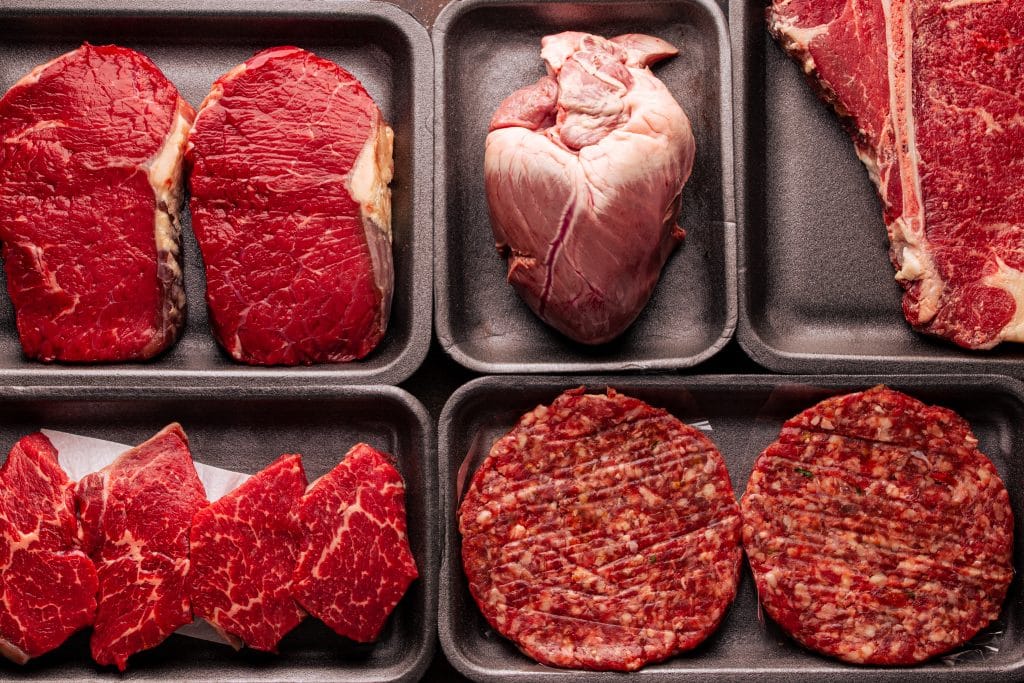
The cost of red meat isn’t just limited to the price tag at the grocery store. Consuming red meat frequently can contribute to health problems, which in turn can lead to significant healthcare expenses. It becomes a long-term economic burden, not just a dietary choice.
On a broader scale, red meat production has a substantial economic impact. Governments often subsidize livestock farming, which influences national spending. The industry also plays a role in employment but comes at the cost of environmental degradation and healthcare burdens, making it a double-edged sword economically.
Benefits Of Cutting Back On Red Meat

Reducing red meat consumption has both personal and societal benefits. Physically, a lower intake can result in a decreased risk of chronic diseases such as heart disease and cancer. Financially, it allows for potential savings on grocery bills and long-term healthcare costs.
Beyond the individual benefits, cutting back has a broader environmental impact. Reduced demand for red meat could lead to lower greenhouse gas emissions, less deforestation, and more sustainable land and water use. The ripple effect of personal choices can contribute to a greater societal good.
Alternatives To Red Meat
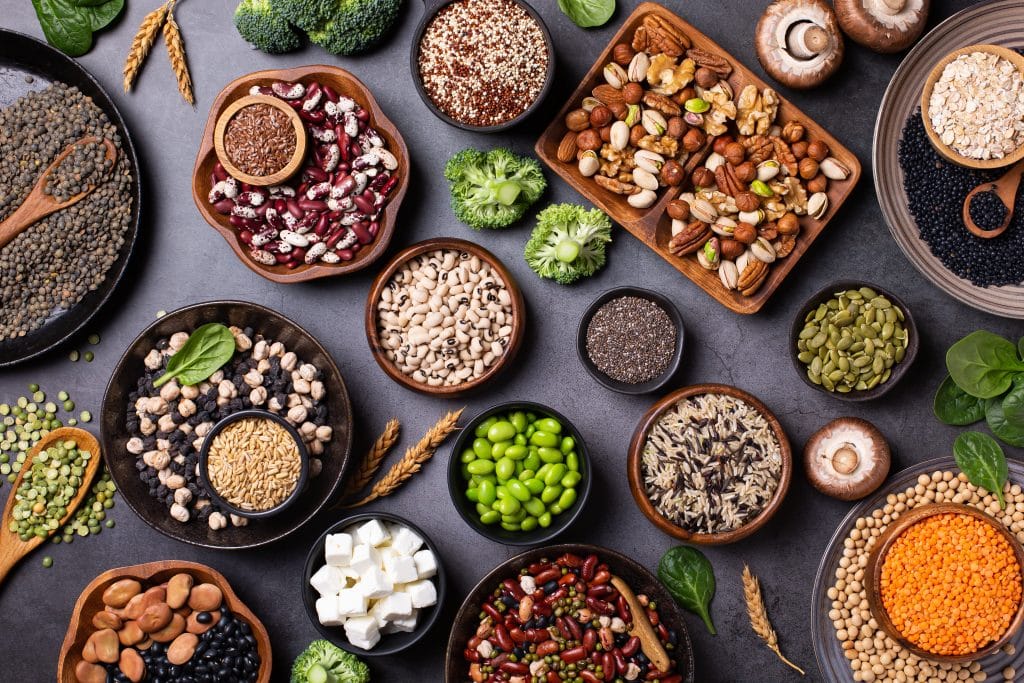
For those looking to cut back, a wide array of alternative protein sources exists. Plant-based proteins like lentils, chickpeas, and quinoa provide essential nutrients without the associated health risks. They are also far less taxing on the environment, requiring less land and water for production.
Seafood and poultry are other alternatives worth considering. Fish like salmon are rich in omega-3 fatty acids, which are beneficial for heart health. Chicken and turkey offer lean protein options that are lower in saturated fats and cholesterol. These alternatives allow for dietary diversity without compromising nutritional needs.
A Simple Change, A Lasting Impact
So here you stand, armed with knowledge and facing a critical choice that goes beyond tonight’s dinner. Each meal you prepare holds the power to impact not just your health but also the planet and the creatures that inhabit it. The decision to reduce red meat consumption isn’t a fleeting trend; it’s an opportunity for lasting transformation. Will you take the path towards a more sustainable and healthier life? The next move is yours, and it’s more significant than you might think. Are you up for the challenge?