
Red meat has become a staple in diets worldwide. Yet, statistics reveal a troubling trend: excessive consumption of red meat is associated with a host of health issues, ranging from heart disease to cancer. The goal of this post is to delve into the complex relationship between red meat and various facets of life, such as health, ethics, and even the environment. As you navigate through the diverse sections, you’ll uncover compelling reasons to consider cutting back on red meat. Each portion is designed to inform and challenge conventional wisdom while presenting alternative choices for a more balanced lifestyle.
The Nutritional Profile Of Red Meat
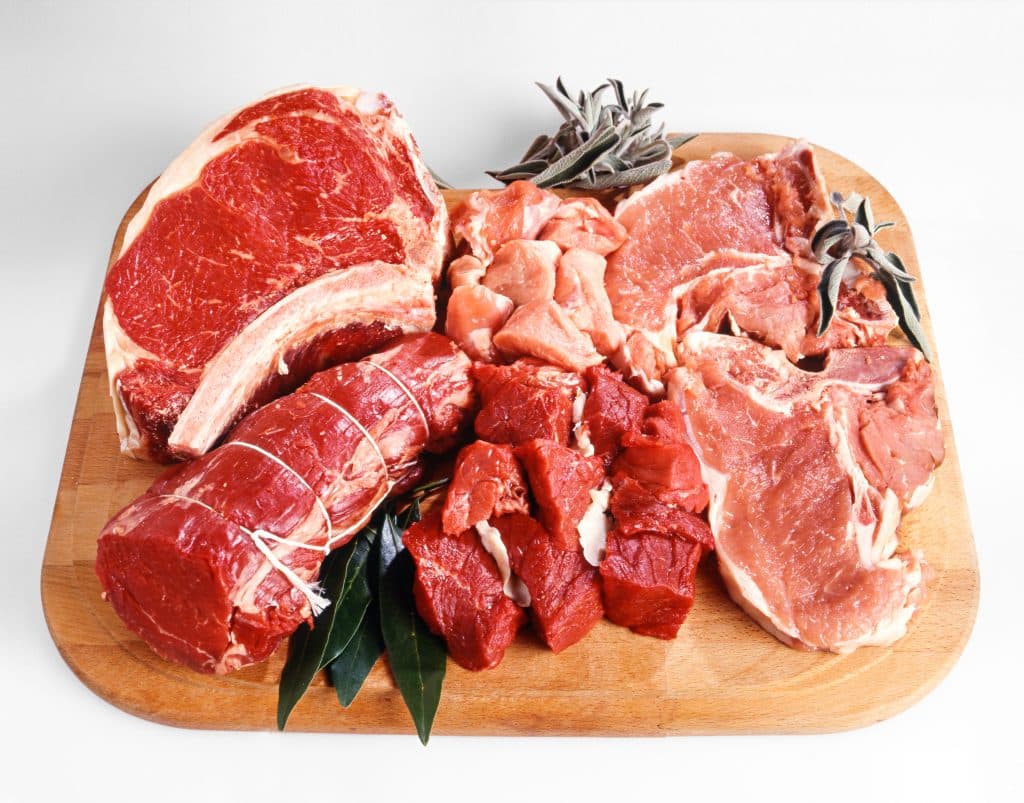
Red meat offers a rich source of essential nutrients, including protein, iron, and zinc. Protein serves as the building block of tissues and muscles, and red meat is one of its richest sources. Iron, particularly heme iron found in red meat, aids in oxygen transport and is more easily absorbed by the body compared to its plant-based counterparts. Zinc boosts the immune system and aids in cellular metabolism. All these nutrients are indeed important, but the question remains: at what cost are they being consumed?
Despite its nutritional advantages, red meat presents a catch-22 situation. It is often high in saturated fats and cholesterol, which, when consumed in excess, may contribute to cardiovascular diseases. Furthermore, preparation methods like frying or grilling at high temperatures can lead to the formation of harmful compounds such as heterocyclic amines (HCAs) and polycyclic aromatic hydrocarbons (PAHs). These substances have been linked to an increased risk of cancer. Thus, while red meat does offer significant nutritional benefits, it’s essential to weigh them against these associated risks.
Hidden Additives In Processed Red Meat

Processed meats like sausages, hot dogs, and deli meats often contain additives that raise concerns. Preservatives such as sodium nitrate and sodium nitrite are commonly used to extend shelf life and enhance color. While they serve a purpose in food preservation, these substances can form nitrosamines, which are potential carcinogens, when subjected to high heat or acidic conditions within the body.
Artificial colors and flavors are also used to make these processed products more appealing. However, the artificial additives don’t just stop at colors and flavors; hormones and antibiotics are frequently used in livestock farming. These substances can accumulate in the meat and, when consumed, may contribute to hormonal imbalances and antibiotic resistance. Therefore, the potential risks associated with these hidden additives make it essential to be cautious when consuming processed red meat.
Environmental Impact
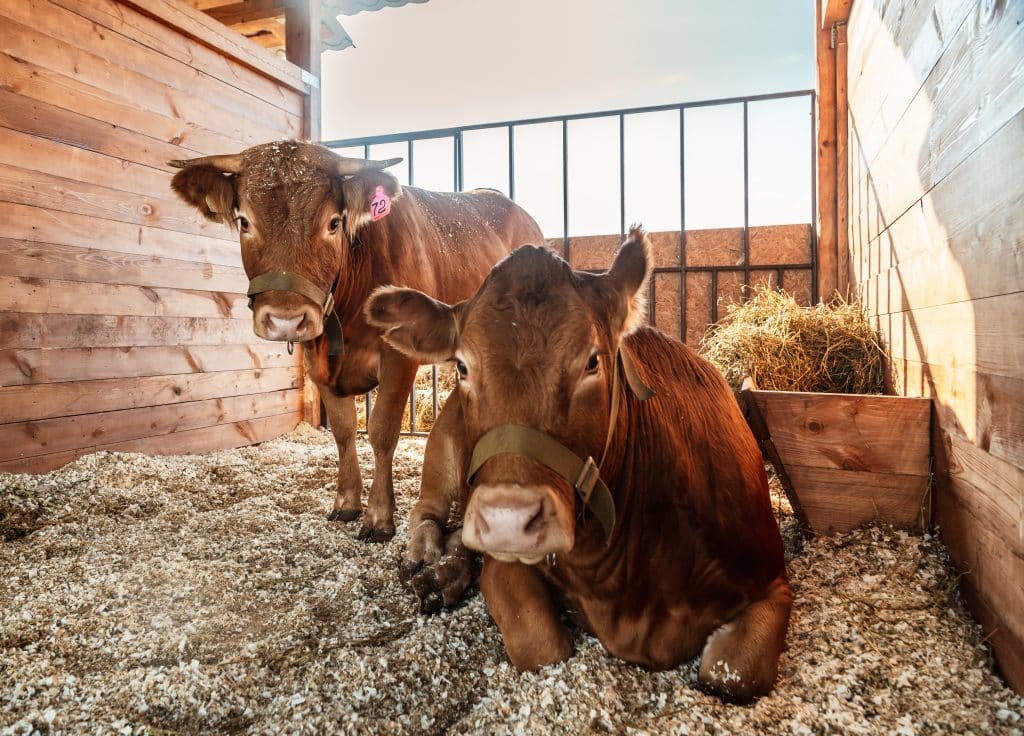
The environmental footprint of red meat production is staggering. Livestock farming accounts for a significant percentage of global greenhouse gas emissions, including methane, which is more potent than carbon dioxide. The emissions don’t just affect the climate but also severely affect air and water quality. In addition to these emissions, livestock farming contributes to deforestation, as large swathes of land are cleared to create pastures or grow feed crops.
The water consumption required for red meat production is another overlooked but critical issue. It takes thousands of liters of water to produce just one kilogram of beef, from the water the livestock drinks to the water used in growing their feed. This level of water consumption is unsustainable, especially when considering that many regions around the world face water scarcity. The environmental toll of red meat production thus extends far beyond a simple carbon footprint, making it a pressing concern for sustainable living.