Contents
The Right Tools For Ear Cleaning
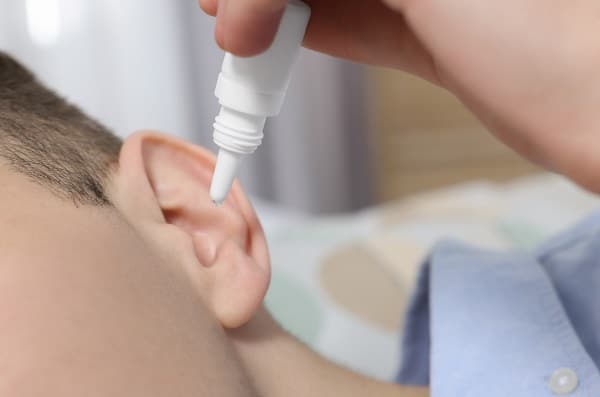
When it comes to cleaning your ears, choosing the right tools is paramount for both effectiveness and safety. Cotton swabs, despite their popularity, are not recommended due to the risk of pushing earwax deeper into the ear canal. Instead, consider using ear drops formulated to soften earwax. These drops often contain ingredients like olive oil or hydrogen peroxide that can help in the safe removal of excess wax.
Ear irrigation kits are another option. These kits usually include a bulb syringe to gently flush the ear with warm water. For those who prefer professional methods, micro-suction is an option. Conducted by healthcare professionals, this method uses a small vacuum to remove earwax and is considered safer than ear syringing. Just be sure to always consult your healthcare provider to determine the most suitable method for you.
DIY Ear Cleaning Methods
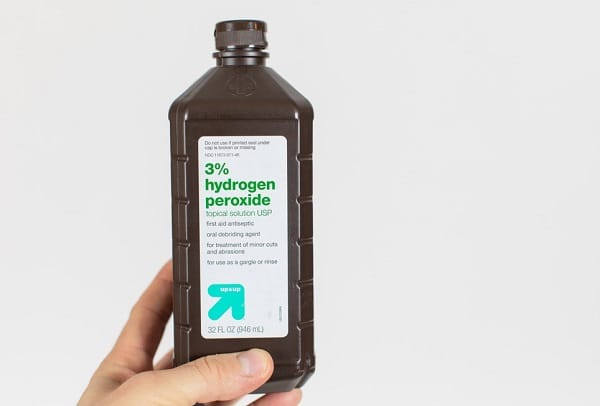
Home remedies for ear cleaning have been around for ages, and some can be quite effective when used correctly. Olive oil is a popular choice; a few drops can soften earwax, making it easier to remove. Hydrogen peroxide is another household item that can be used for ear cleaning. A solution of water and hydrogen peroxide can help dissolve earwax when applied carefully.
However, it’s crucial to exercise caution when using DIY methods. Always follow the guidelines or consult a healthcare professional for advice. Incorrect application can lead to complications such as infections or even temporary hearing loss. Therefore, while DIY methods can be convenient and cost-effective, they should be approached with care.
When To Seek Professional Help

Sometimes, despite your best efforts, professional intervention becomes necessary. If you experience persistent symptoms like hearing loss, discomfort, or tinnitus even after attempting to clean your ears, it’s time to consult a healthcare provider. Additionally, if you suspect that a foreign object is lodged in your ear, immediate professional help is advised.
Certain medical conditions, such as frequent ear infections or excessive earwax production, may also warrant professional cleaning. In these cases, home remedies and over-the-counter solutions may not be sufficient. A healthcare provider can perform diagnostic tests and offer treatments like micro-suction or prescription ear drops, ensuring that your ears are thoroughly and safely cleaned.
Risks And Precautions

Cleaning your ears is generally a straightforward process, but it’s not without risks. Improper techniques can lead to complications like infections, hearing loss, or even eardrum perforation. Therefore, understanding the risks involved is crucial for safe and effective ear cleaning. Always read the instructions that come with any ear cleaning products and consult your healthcare provider if you have any concerns.
Precautions are not just an afterthought; they are an integral part of ear cleaning. For instance, never insert any object directly into the ear canal, as this can cause more harm than good. Regular check-ups with a healthcare provider can also help monitor your ear health and catch any potential issues before they become serious problems.
Take Steps To Elevate Your Auditory Wellness!
Navigating the labyrinth of ear health can be complex, but you’re now armed with the knowledge to make informed decisions. From understanding the anatomy to choosing the proper cleaning methods, you’ve gained insights that go beyond common myths. While this guide may not answer every question, it sets the stage for a proactive approach to ear care. So, let the newfound wisdom guide you toward a future of enhanced hearing and overall well-being!