
Ear health is often overlooked, yet it plays a crucial role in your overall well-being. From affecting your hearing to potentially causing discomfort and pain, the state of your ears can significantly impact your daily life. This article aims to shed light on the importance of proper ear hygiene, debunk common myths, and offer practical advice on cleaning your ears and keeping them healthy. Whether you’re someone who’s been using Q-tips all your life or someone who’s never given ear cleaning a second thought, this guide will provide valuable insights that can lead to a lifetime of better hearing and ear health.
The Anatomy Of The Ear
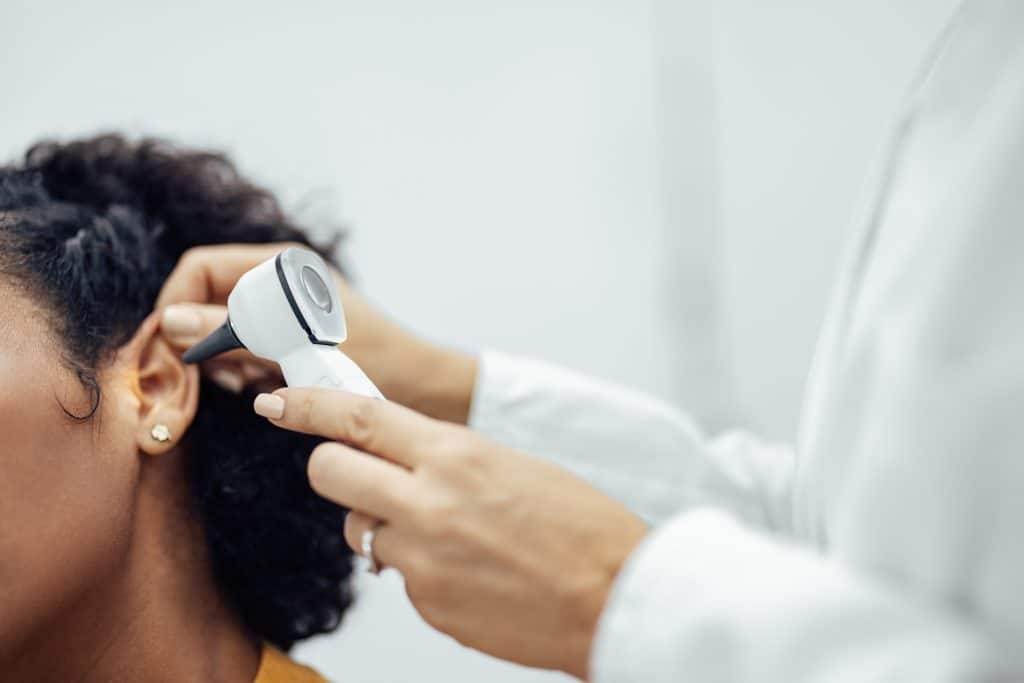
The ear is a complex organ divided into three main parts: the outer ear, the middle ear, and the inner ear. Each section has a specific function and plays a role in how we hear sounds. The outer ear captures sound waves, the middle ear amplifies them, and the inner ear translates these vibrations into signals that the brain can understand. Earwax, medically known as cerumen, is produced in the outer ear and serves as a natural defense mechanism. It traps dirt, dust, and other foreign particles, preventing them from entering deeper into the ear canal.
Understanding the anatomy of the ear is not just for medical professionals; it’s essential for anyone interested in maintaining good ear health. Knowing how each part functions can guide you in effective ear cleaning. For instance, earwax is not an enemy but a protective substance. It only becomes a problem when there’s an excessive buildup, which can lead to hearing issues or discomfort. Therefore, a balanced approach to ear cleaning is necessary, one that removes excess wax while preserving the ear’s natural defenses.
Common Myths About Ear Cleaning
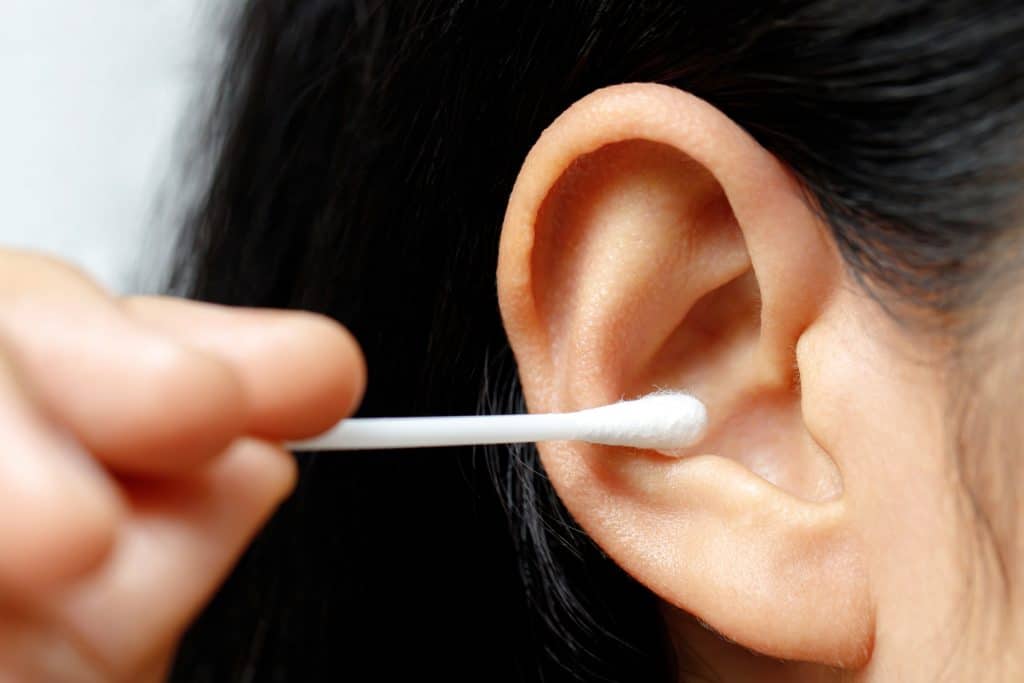
The topic of ear cleaning is rife with myths and misconceptions that can lead to improper care and potential health risks. One prevalent myth is that earwax is a sign of uncleanliness and should be removed entirely. In reality, earwax serves a protective function by trapping foreign particles and has antimicrobial properties. Eliminating all earwax can actually make your ears more susceptible to infections and dryness.
Another widespread myth is that cotton swabs are the go-to tool for ear cleaning. Contrary to popular belief, using cotton swabs can be detrimental. They often push earwax further into the ear canal, leading to impaction. This can cause a range of problems, including hearing loss and increased risk of infection. It’s crucial to debunk these myths to ensure that you’re taking the right approach to ear care, one that is both effective and safe.
Signs That Your Ears Need Cleaning

How do you know when it’s time to clean your ears? One common sign is a gradual decrease in hearing sensitivity. If sounds seem muffled or you find yourself turning up the volume on your devices, it might be due to earwax buildup. However, it’s essential to distinguish this from other potential causes of hearing loss, such as age-related changes or exposure to loud noises, which may require medical intervention.
Another indicator that your ears may need cleaning is discomfort or itchiness in the ear canal. This could be a sign of excess earwax or even a minor infection. Tinnitus, characterized by a ringing or buzzing sound in the ears, can also be a symptom of earwax impaction. However, it’s crucial to consult a healthcare professional for a proper diagnosis, as these symptoms can also be indicative of more serious conditions. Armed with the right information, you can take appropriate steps to maintain your ear health.