

Blues And Purples

Foods adorned in shades of blue and purple are rich in a group of flavonoids called anthocyanins. These compounds, abundant in foods like blueberries, blackberries, and eggplants, are revered for their antioxidant properties. Antioxidants are critical in countering the detrimental effects of free radicals, which can lead to cellular damage and contribute to the aging process and the development of various diseases.
Not only are blue and purple foods a treat for the palate, but they also offer benefits that extend to brain health. Research has indicated that regular consumption of these colored foods can aid in cognitive functions and might even reduce the risk of neurodegenerative diseases. Grapes, especially their skins, are packed with resveratrol, a compound that has been associated with heart health and improved brain function. Incorporating these vibrant foods into the diet not only enhances the visual appeal of a meal but also ensures a brain-boosting nutritional punch.
Yellows And Oranges

Foods that radiate yellow and orange hues owe their vibrant colors to compounds called carotenoids. Carrots, sweet potatoes, and pumpkins are rich in beta-carotene, a type of carotenoid that the body can convert into vitamin A. This essential nutrient plays a crucial role in maintaining healthy vision, skin, and the immune system. Moreover, carotenoids have been researched for their potential role in reducing the risk of chronic diseases and promoting overall health.
The nutritional spectrum of yellow and orange foods extends beyond just carotenoids. Citrus fruits, like oranges and lemons, are bursting with vitamin C, a potent antioxidant known for its immune-boosting properties. Furthermore, these foods are often rich in other vitamins, minerals, and fiber, making them a versatile choice for adding both flavor and nutrition to meals. Consuming a variety of these sunny-hued foods can act as a surefire way to brighten up the plate and the health profile of any diet.
Whites And Browns
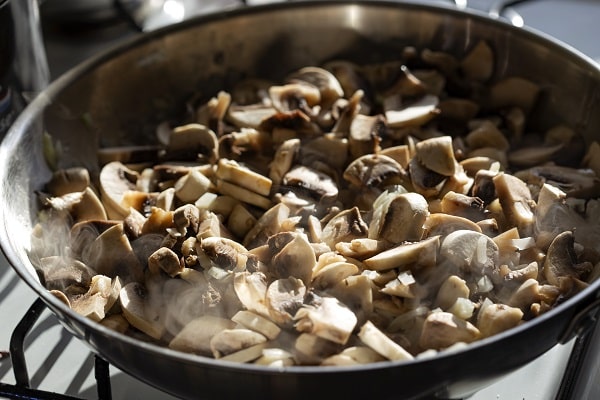
At first glance, white and brown foods might seem less nutritionally vibrant compared to their more colorful counterparts, but they hold their own set of health benefits. Foods like garlic, onions, and mushrooms are loaded with compounds that can boost immunity, support heart health, and even combat inflammation. Garlic, for instance, contains allicin, a compound that has been linked to several health benefits, including reduced blood pressure and improved cholesterol levels.
Mushrooms, whether white button, shiitake, or portobello, bring a unique blend of nutrients to the table. They’re a good source of B-vitamins, selenium, and other essential minerals. Moreover, certain mushrooms contain compounds that might have anti-cancer properties. Whole grains, another member of the brown food family, are a valuable source of dietary fiber, essential for healthy digestion and regulating blood sugar levels. These earth-toned foods serve as a testament that color isn’t the sole indicator of nutritional worth.
Making A Rainbow Plate

Diversity is key when it comes to nutrition. Just as a rainbow enchants with its spectrum of colors, a plate filled with varied hues can provide an array of essential nutrients. By striving to add as many colors as possible to meals, individuals ensure a holistic intake of vitamins, minerals, antioxidants, and other health-promoting compounds. Think of combining red bell peppers with green zucchinis in a stir-fry or blending blueberries with yellow mangoes for a nutrient-packed smoothie.
Meals become not only a sensory delight but also a nutritionally comprehensive experience when diverse colors are incorporated. The more varied the colors on a plate, the broader the range of nutrients consumed. This approach simplifies the often complex world of nutrition into a simple rule of thumb: seek color diversity. This not only ensures comprehensive nutrition but also introduces a range of flavors and textures, making meals a delightful experience.
The Bottom Line
In the symphony of nature’s bounty, every color plays a distinct note, resonating with unique nutritional benefits. Embracing a palette of varied hues in daily meals is a straightforward yet effective strategy to harness the full spectrum of nutrients essential for optimal health. By venturing beyond monochromatic meals and celebrating the vibrancy of colorful foods, individuals pave the way for a healthier, more nourished life with every vibrant plate.