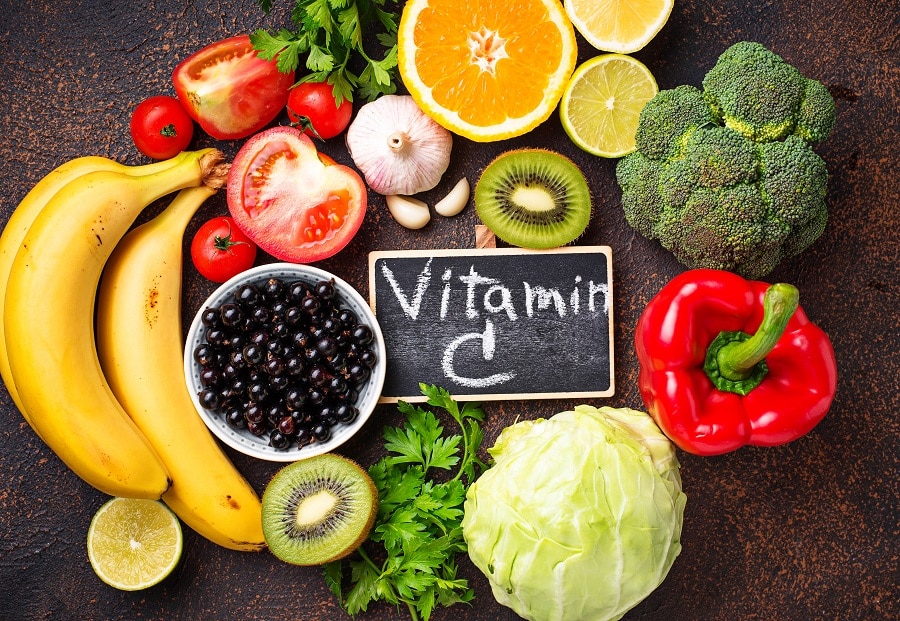
Eating is more than just a basic human need; it’s an experience, an art, and a journey into the spectrum of nature’s bounty. From the deepest reds to the most tranquil greens, the food on a plate paints a vibrant picture of health. Each color represents a unique blend of nutrients, and when combined, they offer an array of health benefits that can keep the body thriving. This post delves into the benefits of a vibrant plate and science and benefits of colorful foods and offers insights into the nutritional treasures hidden in each hue.
The Science Of Colors In Food
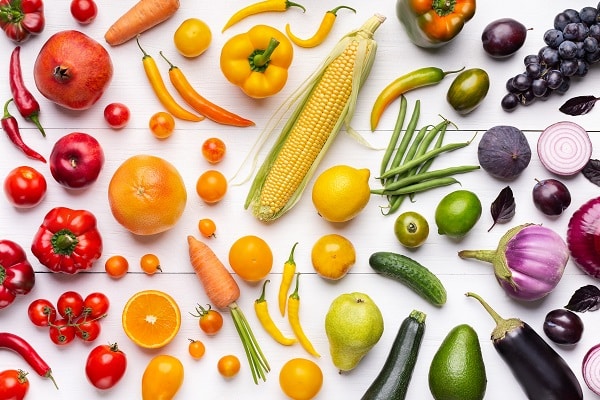
Foods obtain their diverse colors from an array of phytochemicals, each bringing its own set of health benefits. When individuals eat a rainbow of foods, they’re essentially fueling their bodies with a comprehensive range of vitamins, minerals, and antioxidants. Take red bell peppers, for instance; their radiant shade stems from the presence of lycopene, an antioxidant known for its cancer-fighting properties. Similarly, the deep hues of berries, from blueberries to raspberries, are indicative of their rich antioxidant content, beneficial for overall health.
The hues on a plate are more than just appealing to the eye; they signal the range of nutrients being consumed. Understanding this correlation between color and nutrition can empower individuals to make better dietary choices. For instance, a plate dominated by beige or brown might suggest the need to incorporate more fresh fruits and vegetables. On the other hand, a vibrant plate speckled with greens, reds, purples, and yellows assures a bounty of varied nutrients, promoting optimal health.
Reds And Pinks

Red and pink foods, from strawberries to watermelons, are celebrated not just for their appetizing appearance but also for the nutritional powerhouse they represent. Lycopene, a carotenoid responsible for the red hue in many fruits and vegetables, has been extensively researched for its potential to reduce the risk of chronic diseases. Tomatoes, for example, are a rich source of lycopene and have been linked to heart health and protection against certain types of cancers.
Beyond lycopene, red and pink foods offer other health-promoting compounds. The vibrant hue of beets signals their betalain content, which possesses antioxidant, anti-inflammatory, and detoxification properties. Similarly, the ruby red of pomegranates speaks of punicalagins and anthocyanins, compounds linked to heart health and anti-inflammatory benefits. Thus, adding a splash of red or pink to the plate ensures a dose of powerful nutrients, primed to boost health.
Greens

Green foods, ranging from leafy vegetables to green fruits, are among nature’s most potent health offerings. Dark green leafy vegetables like spinach and kale are teeming with vitamins and minerals such as iron, calcium, potassium, and magnesium. These nutrients, combined with powerful antioxidants, make greens an essential part of any health-conscious diet. Foods like broccoli and Brussels sprouts also contain compounds known as glucosinolates, which have been researched for their potential cancer-fighting properties.
Adding a touch of green to a meal not only enhances its aesthetic appeal but also provides a surge in nutritional value. Green foods are often packed with fiber, which is beneficial for digestion and ensuring a feeling of fullness. Zucchinis, green beans, and peas are excellent sources of dietary fiber and other essential nutrients. Moreover, the chlorophyll, responsible for the green pigment in vegetables, has antioxidant properties and can play a role in promoting overall health.