
Emollients
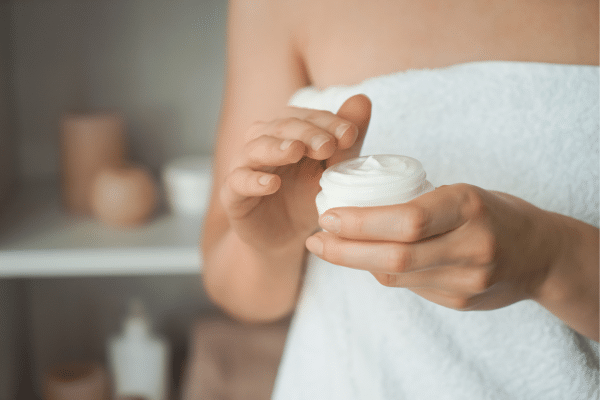
If you’ve ever wondered what gives certain moisturizers their silky, smooth texture, the answer often lies in emollients. These ingredients act as fillers, sealing the spaces between skin cells and creating a continuous, smooth skin surface. Ingredients such as lanolin, mineral oil, and ceramides are classic examples of emollients, which have been trusted in skincare formulations for decades.
The benefits of emollients in skincare stretch beyond mere aesthetics. Their primary function is to lock in moisture, ensuring that the hydration provided by humectants doesn’t evaporate easily. Additionally, by creating a protective barrier on the skin, emollients prevent environmental irritants and pollutants from causing damage. Over time, regular use of moisturizers with good emollients can lead to softer, more resilient skin.
Non-comedogenic Formulations

Clear, radiant skin is a universal goal. To achieve this, it’s crucial to opt for products that won’t clog pores – a trait often highlighted by the term ‘non-comedogenic’. Such formulations are especially vital for those with acne-prone skin, as they reduce the risk of breakouts by not contributing to pore blockages. By ensuring a product is non-comedogenic, one can enjoy hydration without the dread of unsightly pimples or blackheads.
While the term ‘non-comedogenic’ provides a sense of security, it’s also essential to understand that individual skin reactions can vary. It’s always a good practice to introduce any new product gradually, observing how the skin responds. Moreover, checking the ingredient list for any known irritants or allergens specific to one’s skin type can further minimize adverse reactions and promote a clearer complexion.
Cruelty-free

Navigating the beauty and skincare market today, there’s a growing emphasis on ethical considerations, with ‘cruelty-free’ leading the charge. This label signifies that a product has not undergone testing on animals, ensuring that no animals were harmed in the creation of the moisturizer. Such ethical standpoints not only respect the rights of animals but also reflect a broader commitment to responsible and compassionate production practices.
With increasing consumer awareness, many brands are taking steps to obtain cruelty-free certifications. However, it’s essential for consumers to remain vigilant. Look for recognized certifications on product labels, such as the Leaping Bunny logo or the PETA’s cruelty-free bunny. By choosing these products, individuals can support brands that prioritize ethical considerations, ensuring a kinder, more compassionate beauty industry.
Sun Protection Factor (SPF)
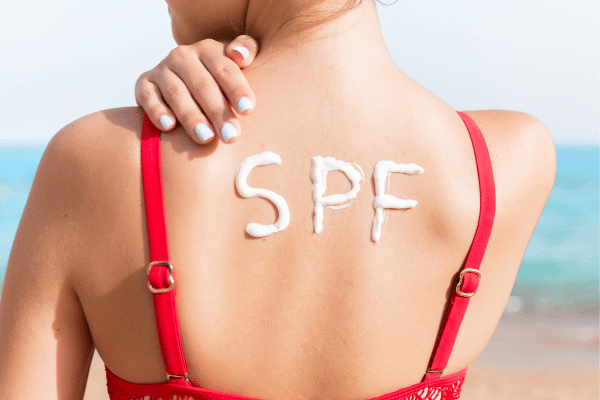
The sun, while a vital source of vitamin D and warmth, can be a formidable foe for the skin. Harmful ultraviolet (UV) rays can lead to premature aging, hyperpigmentation, and even more severe skin conditions. Hence, integrating sun protection into daily skincare has become paramount. Moisturizers with Sun Protection Factor (SPF) offer the dual benefits of hydration and defense against these damaging rays.
Choosing the right level of SPF tailored to individual needs is essential. Factors like skin tone, geographical location, and daily sun exposure play a crucial role in this selection. It’s also vital to ensure that the moisturizer provides broad-spectrum protection, shielding the skin from both UVA and UVB rays. With consistent use, moisturizers with SPF can significantly reduce the risks associated with prolonged sun exposure, ensuring skin remains healthy and vibrant.
The Bottom Line
Navigating the world of skin moisturizers can be a complex endeavor, given the plethora of options available. Prioritizing essential features such as hydration, ethical considerations, sun protection, and personal skin needs can streamline the selection process. By making informed choices and understanding the significance of each ingredient and label, one can ensure that the skin receives optimal care, achieving a radiant, healthy complexion that stands the test of time.