
Rare Physical Traits Most People Don’t Have
From unusual eye colors to genetic anomalies, certain physical characteristics appear in only a small fraction of the global population.
Human genetics produces an extraordinary range of variation, but some rare physical traits appear in remarkably small percentages of the population. These uncommon characteristics, ranging from eye color variations to structural differences in the body, are the result of specific genetic combinations that most people simply do not carry. While some of these traits offer no functional advantage or disadvantage, others have been the subject of scientific study due to their unusual nature and the insights they provide into human heredity. Understanding these genetic rarities reveals just how diverse human biology can be, and why certain features remain so uncommon across populations worldwide.
Green Eyes and Heterochromia Remain Exceptionally Uncommon

Among the most visually striking rare traits is green eye color, which is estimated to occur in only about two percent of the global population according to various demographic studies. This relatively low prevalence is due to the complex interplay of multiple genes that control melanin production and distribution in the iris. Green eyes require a specific balance of melanin that produces neither the higher concentrations seen in brown eyes nor the near-absence found in blue eyes.
Even rarer is heterochromia, a condition in which an individual has two different colored eyes or variations of color within a single iris. Complete heterochromia, where each eye is an entirely different color, is estimated to affect fewer than one percent of people. The condition can be genetic or acquired through injury or disease, and while it typically does not affect vision, it remains one of the most immediately noticeable genetic variations in human appearance.
Natural Red Hair Occurs in a Small Global Minority

Natural red hair is one of the rarest hair colors in the world, occurring in approximately one to two percent of the global population. The highest concentrations of redheads are found in Northern and Western European populations, particularly in Scotland and Ireland, where the prevalence can reach as high as ten to thirteen percent of the population according to various regional surveys. The trait is caused by variants in the MC1R gene, which affects the type of melanin produced in hair follicles.
Red hair is a recessive trait, meaning that both parents must carry the gene variant for a child to express the characteristic. This genetic requirement helps explain why the trait remains relatively uncommon despite being found in many family lineages. Individuals with red hair also tend to have fair skin and are generally more sensitive to ultraviolet radiation, which has evolutionary implications for populations in regions with lower sunlight exposure.
Extra Digits and Unusual Bone Structures

Polydactyly, the condition of being born with extra fingers or toes, occurs in approximately one in every 500 to 1,000 live births, according to data from medical genetics resources. The condition varies widely in presentation, from small, non-functional tissue growths to fully formed additional digits with complete bone structure. Polydactyly can be inherited as an autosomal dominant trait in many cases, meaning only one copy of the altered gene is needed for the characteristic to appear.
Another unusual skeletal trait involves the number of ribs. While the standard human body has twelve pairs of ribs, a small percentage of people are born with cervical ribs, which are extra ribs that emerge from the seventh cervical vertebra in the neck. Studies suggest this variation occurs in approximately 0.5 to one percent of the population, though many individuals with cervical ribs experience no symptoms and may be unaware of the trait unless imaging is performed for other reasons.
Tetrachromacy and Enhanced Color Vision
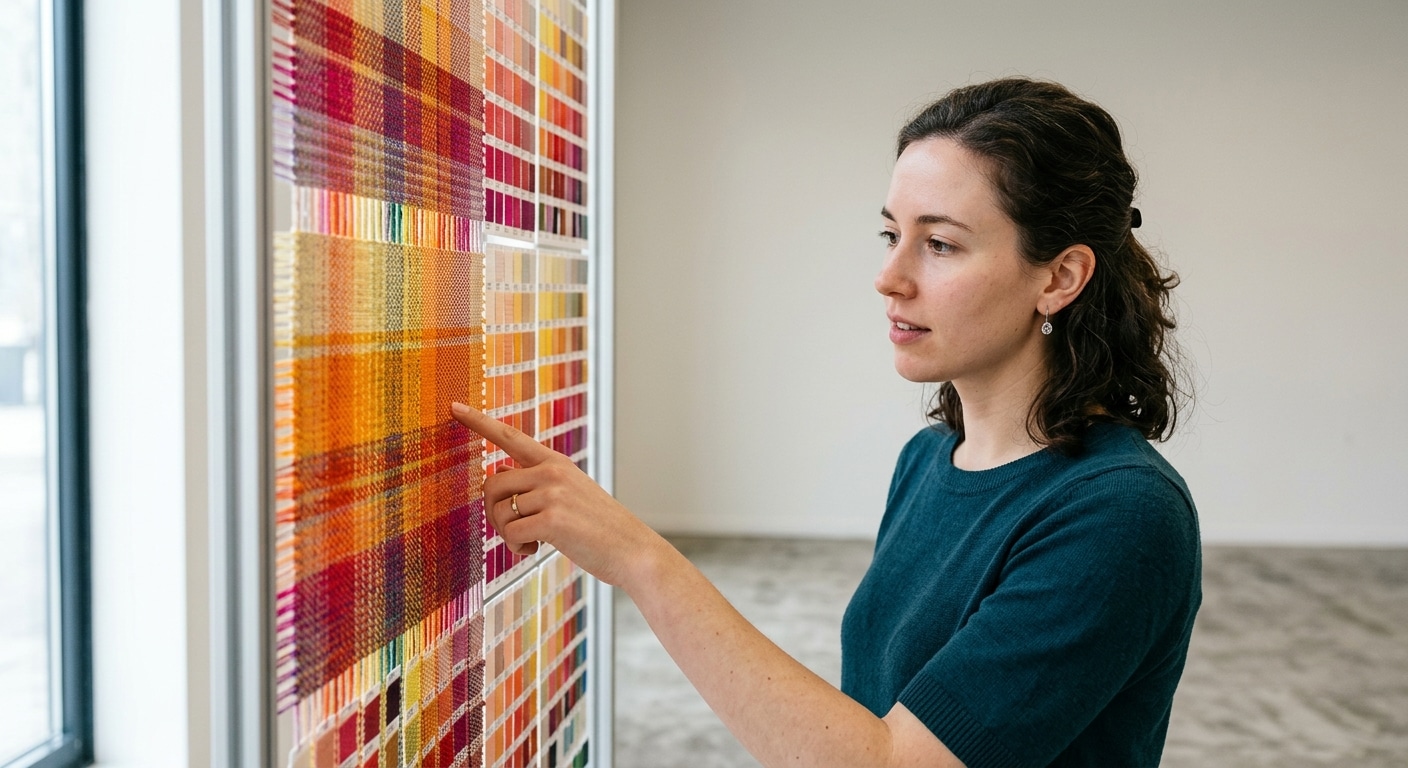
Most humans are trichromats, possessing three types of cone cells in the retina that allow perception of roughly one million color combinations. However, a small number of people, almost exclusively women, are believed to be functional tetrachromats, possessing a fourth type of cone cell that theoretically allows perception of up to 100 million colors. Research into this trait remains ongoing, and while genetic testing can identify individuals with four cone types, functional tetrachromacy that actually enhances color discrimination appears to be extremely rare.
The genetic basis for potential tetrachromacy is linked to the X chromosome, which explains why the trait is predominantly found in women who carry two X chromosomes. Scientific studies have used specialized color matching tests to identify individuals who demonstrate enhanced color discrimination, though the practical implications of this ability in everyday life continue to be explored by vision researchers.
Golden Blood and Rare Blood Type Genetics
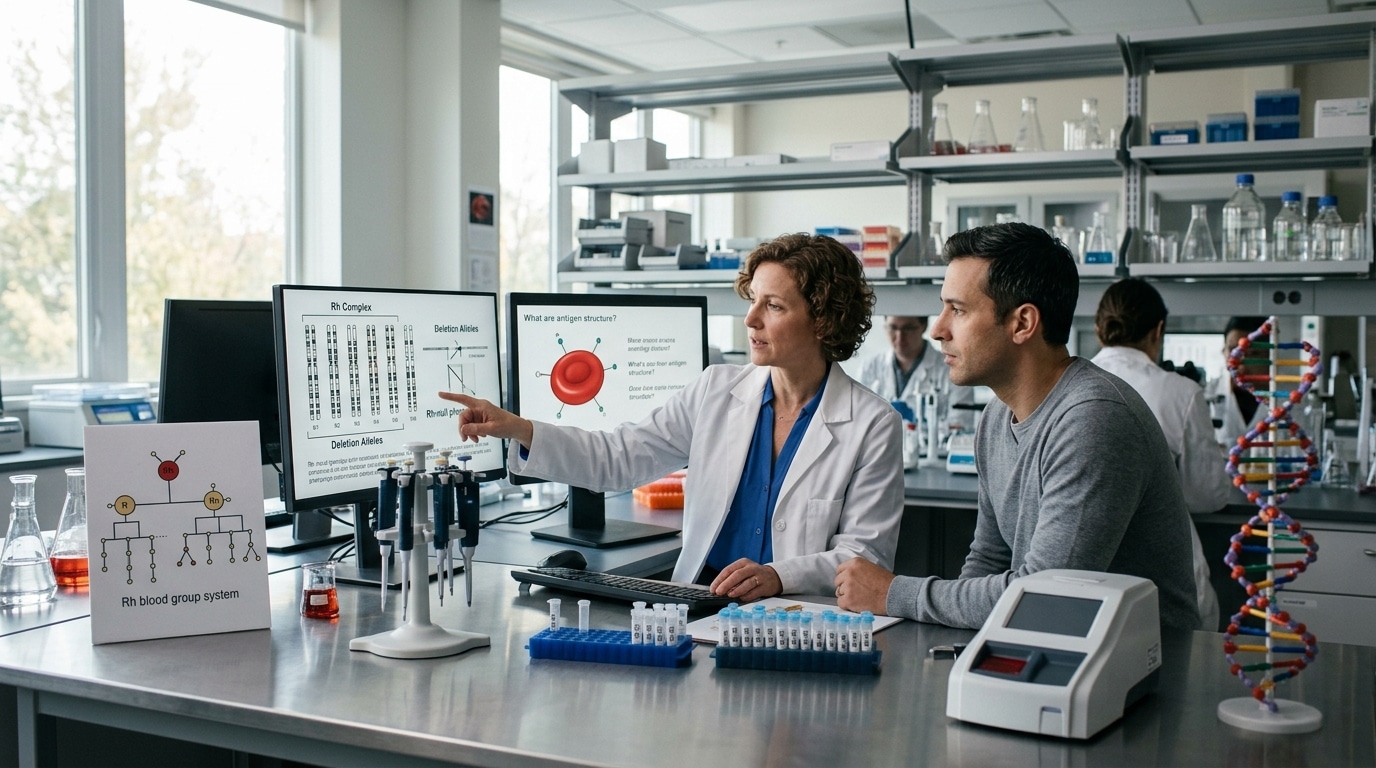
While most people are familiar with the ABO blood typing system, the Rh blood group system includes many additional factors beyond the commonly known positive and negative designations. The rarest known blood type is Rh-null, sometimes called golden blood because of its universal compatibility as a donor for anyone with rare Rh blood types. Fewer than 50 individuals worldwide have been documented with Rh-null blood, making it extraordinarily scarce. People with this blood type lack all Rh antigens on their red blood cells.
The extreme rarity of Rh-null blood creates significant medical challenges for those who possess it, as they can only receive transfusions from other Rh-null donors. International networks have been established to help locate donors when needed, and individuals with this blood type are sometimes asked to donate regularly to maintain reserves for their own potential future needs.
Hypermobility and Double-Jointed Conditions

Joint hypermobility, sometimes colloquially called being double-jointed, refers to the ability to move joints beyond the normal range of motion. While mild hypermobility is relatively common and may affect 10 to 25 percent of the population depending on the criteria used for measurement, more extreme forms associated with connective tissue disorders are considerably rarer. Ehlers-Danlos syndrome, a group of inherited disorders affecting connective tissue, includes hypermobility as a primary characteristic and is estimated to affect approximately one in 5,000 individuals for the most common types.
The ability to bend fingers backward significantly, dislocate joints voluntarily, or achieve unusual flexibility positions can be either a benign anatomical variation or a sign of underlying connective tissue differences. Medical evaluation is often recommended for individuals with significant hypermobility to assess for associated conditions that may require monitoring or treatment.
The Genetic Mosaic of Human Diversity

The spectrum of rare physical traits found in human populations reflects the intricate complexity of genetic inheritance and the countless variations that can emerge from our shared biological blueprint. From the striking visual impact of heterochromia to the hidden rarity of golden blood, these uncommon characteristics remind us that human diversity extends far beyond what is immediately visible. As genetic research continues to advance, our understanding of these traits deepens, revealing not only the mechanisms behind their occurrence but also the profound interconnectedness of human heredity that links rare and common traits alike in the ongoing story of our species.