

Diagnostic Methods
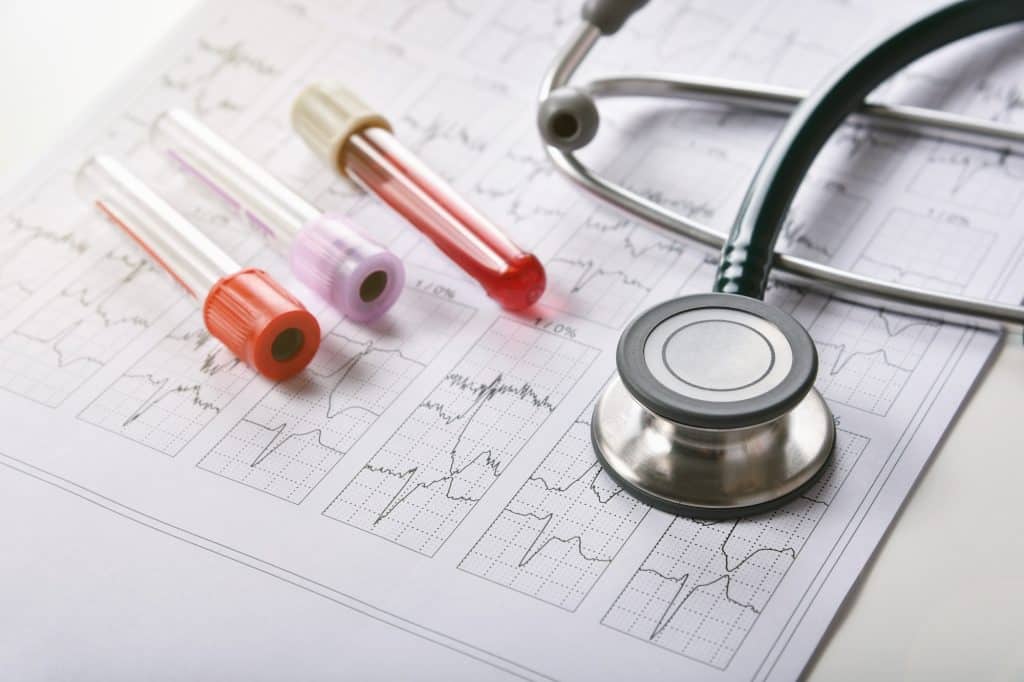
Diagnosing high cholesterol typically involves blood tests known as lipid panels. These tests measure LDL, HDL, and total cholesterol levels, providing a comprehensive view of an individual’s cholesterol profile. Regular testing is recommended, especially for those with known risk factors or a family history of high cholesterol. Understanding the results and what they mean is crucial for managing cholesterol levels effectively.
Depending on the initial results, follow-up tests and continuous monitoring may be necessary. Healthcare providers will interpret the results and recommend appropriate interventions, such as lifestyle changes or medication. The diagnostic process is an ongoing collaboration between the individual and healthcare provider aimed at maintaining optimal cholesterol levels.
Prevention Strategies

Preventing high cholesterol often involves a multifaceted approach. A healthy diet that limits saturated fats and includes more whole grains, fruits, and vegetables is essential. Regular exercise, at least 30 minutes a day, can also help in maintaining healthy cholesterol levels. Avoiding tobacco and moderating alcohol consumption are additional preventive measures that contribute to overall well-being.
Medication may be necessary for some individuals, especially those with significantly high LDL levels or other risk factors. Regular consultations with healthcare providers ensure that prevention strategies are tailored to individual needs and circumstances. Prevention is not a one-size-fits-all approach but requires personalized planning and commitment.
Treatment Options

Treatment for high cholesterol is often a combination of lifestyle changes and medication. Dietary modifications, such as reducing saturated fats and incorporating more fiber, play a vital role. Regular physical activity and weight management are also key components of treatment. These lifestyle interventions are often the first line of defense against high cholesterol.
For those who require medication, several options are available, including statins, bile acid-binding resins, and cholesterol absorption inhibitors. Monitoring and follow-up are essential to ensure that the treatment is effective and to make necessary adjustments. Collaboration with healthcare providers ensures that treatment plans are tailored to individual needs, offering the best chance for successful management of high cholesterol.
Myths And Misconceptions

High cholesterol is often surrounded by myths and misconceptions, leading to confusion and improper management. Some people believe that only older adults or overweight individuals are at risk, while others think that all dietary cholesterol is harmful. These misconceptions can prevent proper understanding and treatment of high cholesterol.
Clarifying these myths is essential for public awareness and effective management. Accurate information helps individuals make informed decisions about their health and encourages them to seek professional medical advice. Dispelling these myths emphasizes the importance of personalized care and the unique nature of cholesterol management for each individual.
Importance Of Professional Medical Advice

Self-diagnosis and treatment of high cholesterol can be dangerous and ineffective. While general information is available, it cannot replace the expertise and personalized care provided by healthcare professionals. Consulting with doctors and other healthcare providers ensures that diagnosis, prevention, and treatment are tailored to individual needs and medical history.
Regular check-ups, monitoring, and collaboration with healthcare providers are vital components of managing high cholesterol. They offer insights into personal risk factors, provide guidance on lifestyle changes, and prescribe appropriate medication when necessary. Emphasizing the importance of professional medical advice reinforces the complexity of high cholesterol and the need for expert intervention.
Be Mindful Of The Dangers Of High Cholesterol
High cholesterol is a complex and prevalent health issue with far-reaching consequences. This post has explored the intricacies of cholesterol, from understanding what it is to recognizing risk factors and symptoms. By dispelling myths and emphasizing personalized care, it aims to empower you to take control of your cholesterol levels and overall health. The journey to understanding and managing high cholesterol is multifaceted, and this comprehensive guide serves as a valuable resource for those seeking to navigate this critical aspect of their well-being!