

Water is often termed the ‘elixir of life,’ and rightly so. It plays a pivotal role in nearly every function within your body, from cellular processes to temperature regulation. Despite its significance, many people remain unsure about how much water they should consume daily. This uncertainty often stems from the myriad of recommendations available, each varying based on different factors. In this post, you’ll dive into the role of water in your body, the factors that influence your hydration needs, and how to recognize signs of dehydration.
The Role Of Water In The Body
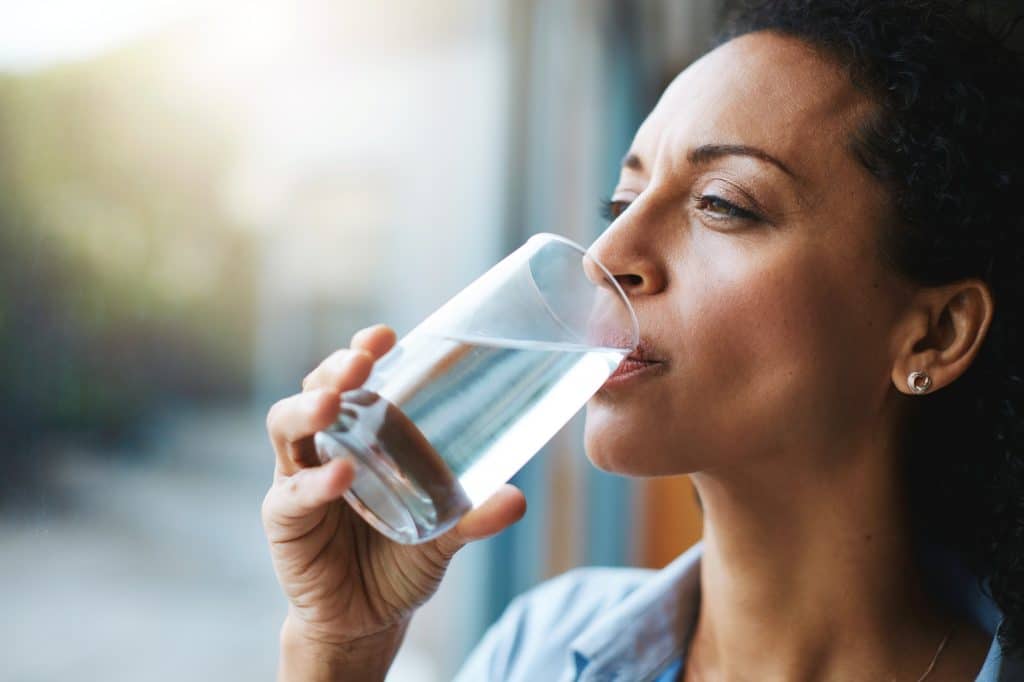
Water is more than just a thirst quencher; it’s a vital component for survival. Every cell, tissue, and organ in your body relies on water to function correctly. It aids in digestion, absorption, circulation, and even the creation of saliva. Moreover, water acts as a lubricant for your joints, ensuring smooth movement and reducing the risk of injuries.
Beyond these functions, water plays a crucial role in maintaining your body’s temperature. Through processes like sweating and respiration, your body releases excess heat, ensuring you don’t overheat. This thermoregulation is essential, especially during intense physical activities or in hot climates, where the risk of heat-related illnesses increases.
Factors Influencing Water Needs

While it’s tempting to believe in a one-size-fits-all recommendation for water intake, your needs are influenced by various factors. Age, for instance, plays a significant role. Young children and the elderly might have different hydration requirements compared to adults. Gender can also influence water needs, with men typically requiring more water than women due to differences in body composition.
Another crucial factor is physical activity. Someone who leads a sedentary lifestyle will have different hydration needs compared to an athlete or someone with a physically demanding job. Similarly, the climate you live in can drastically affect your water requirements. Living in a hot and humid environment can lead to increased sweating, necessitating a higher water intake to compensate for the loss.
Signs Of Dehydration

Dehydration is a condition that arises when your body loses more fluids than you take in. Recognizing the signs early on is essential to prevent potential health complications. Physical symptoms can range from a dry mouth and dark yellow urine to more severe signs like dizziness and rapid heartbeat. These symptoms indicate that the body is struggling to perform its functions due to a lack of adequate hydration.
Cognitive symptoms of dehydration shouldn’t be overlooked either. Confusion, irritability, and difficulty concentrating can all point toward inadequate fluid levels in the body. Over time, chronic dehydration can lead to more severe health issues, including kidney stones and urinary tract infections. Thus, understanding and recognizing these signs is crucial for your overall well-being.
Overhydration: Can You Drink Too Much?

While the emphasis is often on drinking enough water, it’s equally important to understand that there’s such a thing as too much water. Overhydration, or water intoxication, occurs when the amount of water you consume exceeds your kidneys’ ability to excrete it. This imbalance can lead to a dangerous drop in sodium levels in the blood, a condition known as hyponatremia.
Symptoms of overhydration can be subtle at first, such as nausea or a persistent headache. As the condition worsens, it can lead to muscle cramps, seizures, or even coma. Striking a balance is crucial. While you should ensure you’re adequately hydrated, it’s equally important not to go overboard and consume water in excess of your body’s requirements.
Daily Recommendations From Health Organizations

With so much information available, it’s easy to get confused about how much water you should be drinking daily. Various health organizations provide guidelines to help individuals gauge their hydration needs. For instance, the World Health Organization (WHO) offers general recommendations based on extensive research, while national health departments might adjust these guidelines based on regional factors.
However, it’s essential to note that these recommendations are often averages and might not cater to individual needs. Factors like those previously discussed – age, gender, physical activity, and climate – can cause variability in these recommendations. It’s always a good idea to consult with a healthcare professional or nutritionist to determine the optimal water intake tailored to one’s specific circumstances.