

Prevention Tips
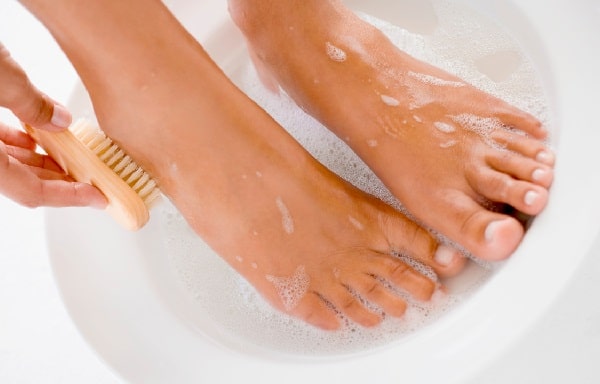
Prevention is always better than cure, especially when it comes to toenail fungus. One of the most effective preventive measures is maintaining proper foot hygiene. This includes washing feet regularly and ensuring they are thoroughly dry before wearing socks or shoes. It’s essential to focus on the spaces between the toes, as moisture can easily get trapped there.
Choosing the proper footwear is equally crucial. Shoes that are made of breathable materials can help in reducing moisture build-up. Rotating between different pairs of shoes and allowing them to air out can also be beneficial. Furthermore, it’s advisable to avoid walking barefoot in public places like gyms, showers, or swimming pools. Finally, using antifungal sprays or powders can act as an additional protective layer against potential fungal invaders.
Diagnosis

If you suspect you have toenail fungus, it’s essential to get a proper diagnosis. A healthcare professional can often identify toenail fungus by merely examining the affected nail. They might observe the characteristic discoloration, thickening, and other changes that indicate the presence of a fungal infection. However, visual inspection alone might not always be conclusive.
For a definitive diagnosis, a doctor might take nail clippings or scrapings from underneath the nail. These samples are then sent to a lab to identify the specific type of fungus causing the infection. This step is crucial, as the treatment approach might vary depending on the particular fungus involved. A precise diagnosis ensures that the treatment is targeted and effective.
Treatment Options

Once diagnosed, it’s essential to start treatment promptly to prevent the fungus from spreading or causing further complications. Over-the-counter antifungal creams and ointments can be effective for milder cases. These are applied directly to the nail and surrounding skin, often over several weeks, to combat the fungal infection.
For more severe or persistent infections, a doctor might prescribe oral antifungal medications. These drugs help the new nail grow free of infection, slowly replacing the infected part. However, they can have side effects and might not be suitable for everyone. In extreme cases, surgical removal of the nail might be necessary. Another emerging treatment option is laser therapy, which targets and kills the fungi without damaging the surrounding tissue.
Home Remedies

Many individuals turn to home remedies as a first line of defense against toenail fungus, either due to their preference for natural treatments or as an adjunct to conventional therapies. One popular remedy is Vicks VapoRub, a mentholated ointment. Some studies suggest that its ingredients, including camphor and eucalyptus oil, might be effective against certain types of fungi. However, more research is needed to confirm its efficacy.
Another commonly cited home remedy is tea tree oil, known for its antifungal and antiseptic properties. Similarly, oregano oil, rich in thymol, has shown potential in combating certain fungi. Snakeroot extract, derived from the sunflower family, is another natural product that has demonstrated antifungal capabilities in some studies. While these remedies can be beneficial, it’s essential to approach them with caution. Not all are backed by robust scientific evidence, and some might cause skin irritation or allergic reactions.
Final Thoughts On Tackling Toenail Fungus
Toenail fungus, while common, shouldn’t be taken lightly. Beyond the cosmetic concerns, it can lead to discomfort, pain, and further complications if not addressed promptly. Recognizing the signs, understanding the risk factors, and taking preventive measures are crucial steps in managing this condition. While there are various treatment options available, from over-the-counter solutions to prescribed medications and home remedies, it’s essential to choose the one that’s most suitable for your specific situation. Always consult with a healthcare professional to ensure you’re taking the right approach. Remember, early detection and intervention are key to effectively dealing with toenail fungus.