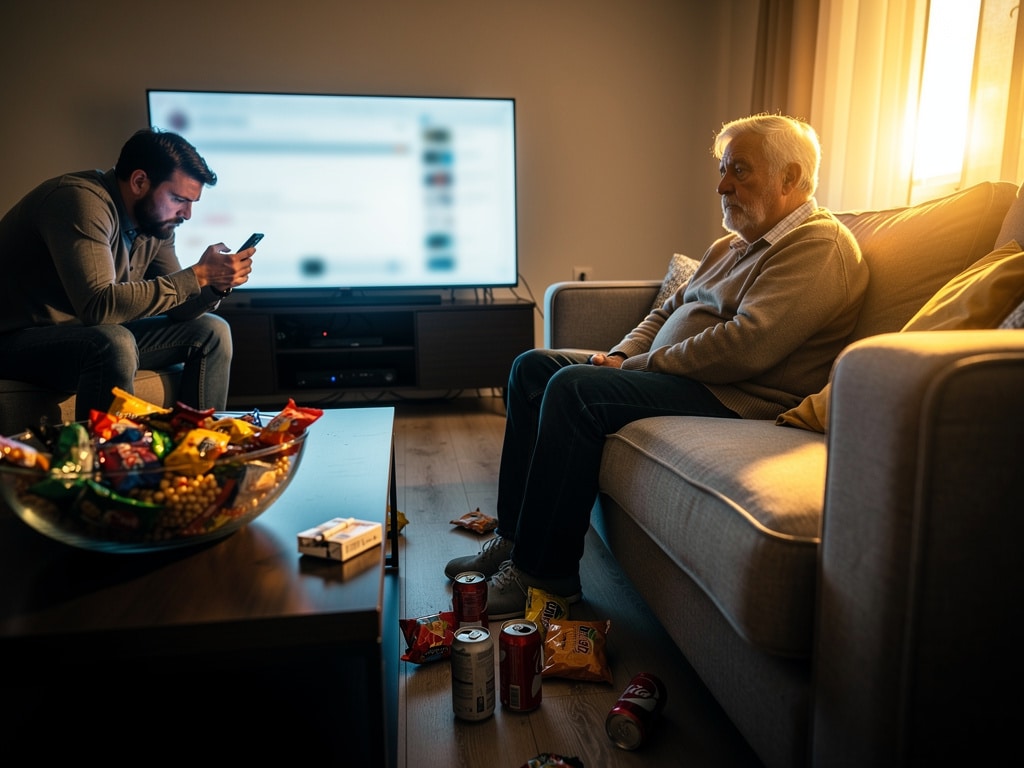

Aging, a natural process, brings with it a myriad of physiological and psychological changes. While some of these transformations are embraced as the essence of experience and wisdom, others manifest as symptoms that can challenge daily living. Recognizing these signs is crucial for older adults, caregivers, and families to ensure the best possible care and to maintain the highest quality of life. This article will go over some common symptoms for older adults. With the right knowledge, many of these symptoms can be managed, alleviated, or even prevented.
Memory Loss

Aging inevitably impacts cognitive faculties. Memory loss, in particular, becomes a prevalent concern among older populations. However, it’s essential to differentiate between regular age-related forgetfulness and more severe conditions such as Alzheimer’s or dementia. Mild forgetfulness, like misplacing keys or forgetting names, is often a benign aspect of growing older. Yet, persistent memory gaps, disorientation, and significant changes in behavior may indicate underlying health issues requiring medical attention.
Promoting and maintaining cognitive health is vital. Several methods have been shown to bolster memory function and cognitive health in older adults. Engaging in mentally stimulating activities, such as reading, puzzles, or learning new skills, can provide significant benefits. Additionally, maintaining a balanced diet rich in antioxidants, regular physical activity, and social interaction all play pivotal roles in supporting memory and overall brain health.
Decreased Mobility

With age, the musculoskeletal system undergoes notable changes. The muscles lose some of their mass and strength, bones become less dense and more brittle, and joints might not be as flexible as before. These transformations can lead to a decrease in mobility, making activities that were once easy, like climbing stairs or taking long walks, more challenging. The results can range from minor discomfort to significant mobility restrictions, impacting an individual’s independence and quality of life.
While these changes might be inevitable to some extent, proactive steps can be taken to enhance and maintain mobility. Regular exercise, especially strength training and flexibility routines, can counteract some of the natural decline in muscle mass and joint flexibility. Engaging in low-impact activities such as swimming, tai chi, or yoga can also be particularly beneficial. Moreover, early intervention, such as physical therapy or the use of assistive devices, can be invaluable in addressing and managing mobility challenges effectively.
Vision And Hearing Impairments
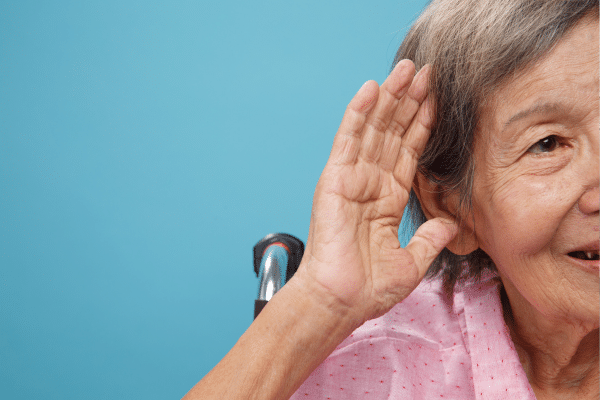
The senses of vision and hearing, much like other physiological faculties, can be affected as one advances in age. Common vision issues that often surface include presbyopia (a condition where the eye exhibits a progressively diminished ability to focus on near objects), cataracts, and age-related macular degeneration. These issues can alter the clarity of vision, the perception of colors, or even lead to vision loss in severe cases.
Hearing loss is another challenge that many older adults encounter. High-frequency sounds often become harder to discern, and distinguishing sounds in a noisy environment can be difficult. Such sensory impairments can have profound implications, potentially leading to feelings of isolation, miscommunication, or even accidents. Regular check-ups with audiologists and optometrists can help detect and address these issues early. Modern medical interventions, hearing aids, and corrective glasses can significantly improve the quality of life for those facing these challenges.