Protective Measures For Your Eyes
Protection from harmful UV rays is essential for maintaining eye health. Prolonged exposure can lead to conditions like cataracts and macular degeneration. Wearing sunglasses with complete UV protection can effectively shield the eyes from the sun’s damaging effects. Polarized sunglasses, in particular, not only offer UV protection but also reduce glare, providing clearer vision on sunny days.
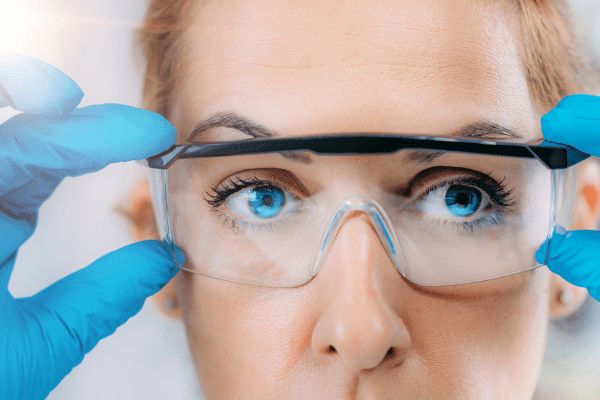
In addition to sun protection, wearing safety gear during certain activities is vital. Activities that pose a risk to the eyes, such as certain sports or tasks like carpentry, necessitate the use of protective eyewear. Goggles and safety glasses can prevent injuries from flying debris or accidental impacts. In every scenario, prioritizing eye safety can go a long way in preventing unnecessary harm.
Avoiding Smoking And Its Benefits For Eye Health

Smoking is not only detrimental to the lungs and heart but also poses significant risks to eye health. Tobacco smoke contains harmful toxins that can damage the sensitive structures within the eyes. For instance, research has shown that smokers have a higher risk of developing cataracts, an eye condition where the natural lens becomes cloudy, impairing vision.
In addition to cataracts, smoking can also increase the likelihood of developing age-related macular degeneration (AMD). AMD is a leading cause of vision loss in older adults, and its progression can be influenced by the harmful effects of tobacco. By avoiding smoking or seeking support to quit, individuals can significantly reduce these risks and contribute to the overall well-being of their eyes.
The Impact Of Sleep And Rest

Adequate sleep is a cornerstone of overall health, and its significance extends to eye well-being. During restful sleep, eyes undergo essential processes, including the removal of irritants like dust or smoke particles that might have accumulated throughout the day. Furthermore, consistent and restful sleep helps reduce the risk of dry eye, a condition characterized by insufficient tear production to nourish the eye.
Eye fatigue can emerge as a result of prolonged visual tasks, such as reading, driving, or staring at a screen. Taking short, regular breaks during these tasks can alleviate strain and prevent potential vision problems. When experiencing symptoms like blurred vision, redness, or irritation, it’s vital to give the eyes a chance to rest, helping to ensure their longevity and optimal function.
Proper Eye Care Hygiene
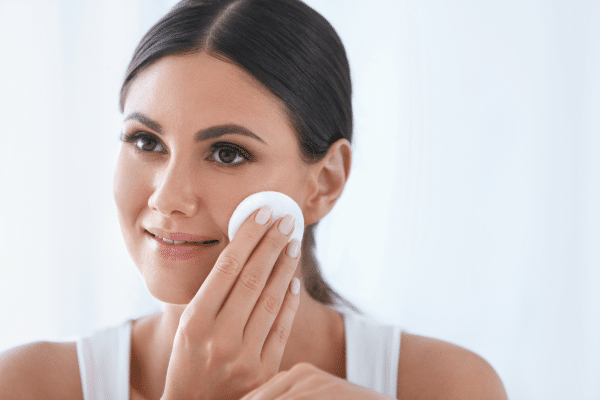
Maintaining eye hygiene is foundational to prevent infections and other eye-related issues. One primary recommendation is to avoid touching the eyes with unwashed hands. Bacteria and viruses can easily transfer from the hands to the eyes, leading to conditions like conjunctivitis. Additionally, for those who wear makeup, ensuring thorough removal every night and not sharing makeup products can keep eye infections at bay.
For those who use contact lenses, meticulous care is imperative. Lenses should be cleaned daily with appropriate solutions, stored in a clean case, and replaced as recommended by eye care professionals. Ensuring that lenses are free from tears or debris before inserting them is equally crucial, as is adhering to the recommended wear time to prevent potential complications.
The Bottom Line
Prioritizing eye health is paramount for preserving vision and ensuring that eyes serve effectively throughout one’s lifetime. By incorporating strategies ranging from nutritious diets and regular check-ups to digital screen practices and proper hygiene, individuals can lay the groundwork for optimal eye health. Moreover, understanding the link between lifestyle choices and their impact on eyes is fundamental. In essence, proactive care and informed decisions are the keys to maintaining healthy eyes and enjoying a clear view of the world.