
Mental Health Benefits
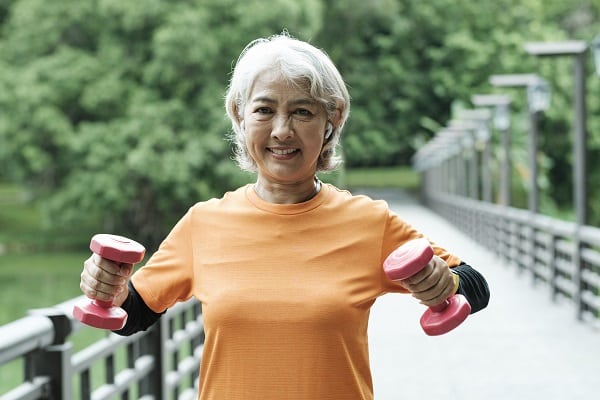
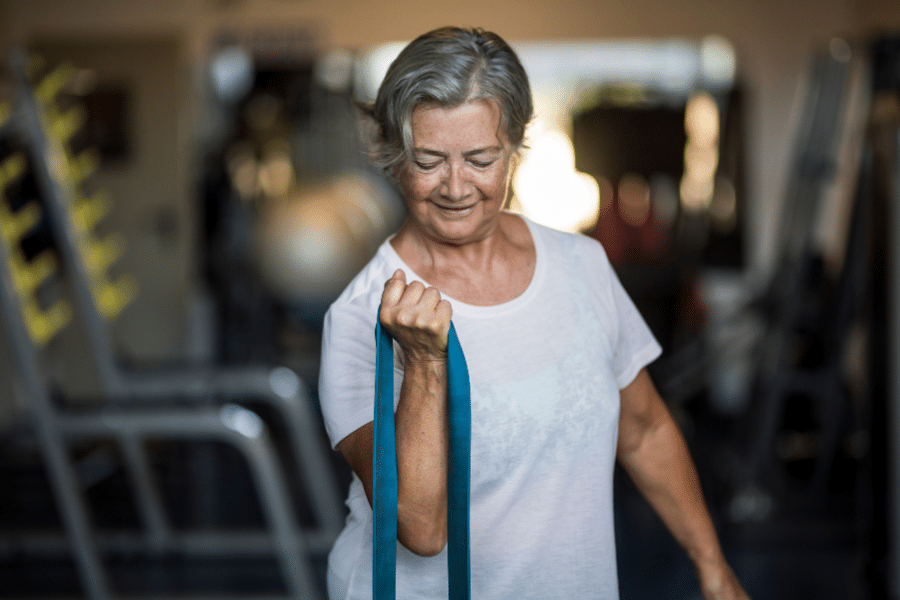
Physical health is just one aspect of your well-being; mental health plays an equally pivotal role, especially as you age. Depression, anxiety, and feelings of isolation can become more prevalent in your later years. Engaging in weight training can act as a buffer against these challenges. The act of lifting weights releases endorphins, the body’s natural mood elevators, which can alleviate feelings of sadness or anxiety.
Beyond the biochemical benefits, weight training also fosters a sense of accomplishment. Setting and achieving fitness goals can boost self-esteem and provide a sense of purpose. Regular exercise can provide structure to one’s day, and the visible results – be it increased muscle tone or improved posture – can instill a renewed sense of self-confidence, proving that age is just a number.
Enhancing Flexibility And Mobility

A common misconception is that weight training leads to reduced flexibility. On the contrary, when done correctly, it can enhance flexibility and overall mobility. Strength training exercises, when paired with proper stretching, can improve the range of motion around joints. For instance, a full-range squat not only strengthens the leg muscles but also promotes hip flexibility.
Joint health is another crucial aspect of mobility. As you age, your joints can become stiffer and more prone to ailments like arthritis. Weight training strengthens the muscles surrounding these joints, providing them with better support and reducing strain. This combined improvement in muscle strength, joint health, and flexibility ensures that seniors can move with ease, grace, and less pain, making daily activities more enjoyable.
Weight Training Vs. Cardio: A Balanced Approach

While weight training offers numerous benefits, cardiovascular exercise remains essential for overall health. Cardio exercises, like walking, swimming, or cycling, improve heart health, lung capacity, and endurance. However, relying solely on cardio can lead to muscle loss, especially in seniors. Thus, a balanced approach that combines both weight training and cardiovascular exercise is optimal for holistic health.
Incorporating both forms of exercise ensures that while the heart and lungs are getting their workout, the muscles are also being strengthened and preserved. This combination not only enhances physical capabilities but also ensures better protection against diseases like heart disease or diabetes. For seniors, striking this balance can lead to a more active, healthier, and fulfilling life.
Getting Started: Tips For Seniors
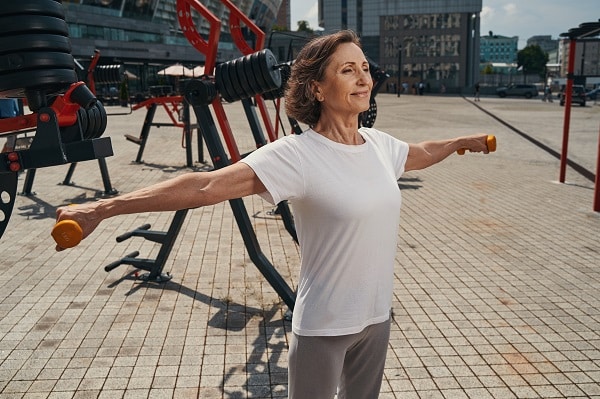
Embarking on a weight training journey, especially later in life, can seem daunting. However, with the right approach, it can be both safe and enjoyable. Before diving in, it’s paramount to consult with a physician to ensure that specific exercises or routines are suitable. This step is crucial, especially if there are pre-existing health conditions or concerns.
For beginners, it’s essential to prioritize form over the amount of weight lifted. Proper technique ensures that the right muscles are targeted and reduces the risk of injury. Starting with lighter weights and gradually increasing as strength builds is a wise approach. Additionally, considering guidance from a trained professional or joining a senior-specific weight training class can provide the necessary support and direction.
Overcoming Common Barriers

It’s natural to encounter obstacles when starting something new. For seniors, barriers to weight training might include fear of injury, misconceptions about capabilities, or even logistical challenges like transportation to a gym. Recognizing these barriers is the first step to overcoming them. For instance, for those concerned about injury, starting with resistance bands or body-weight exercises can be a gentler introduction.
Time constraints or lack of access to a gym can be addressed by incorporating home-based exercises or routines that require minimal equipment. The key is consistency and finding a routine that aligns with individual preferences and circumstances. With determination and the right resources, these barriers can be surmounted, paving the way for a healthier aging journey.
Start Reaping The Benefits Of Weight Training!
The golden years of life should be marked by vitality, independence, and joy. While aging is a natural process, how you age is, to a significant extent, within your control. Weight training emerges as a powerful ally in this journey, offering a plethora of benefits that extend beyond just physical health. By embracing strength training, seniors can combat muscle loss, enhance bone health, boost metabolism, and foster mental well-being. The journey might come with challenges, but the rewards – in terms of health, confidence, and quality of life – are immeasurable. Embracing weight training is not just about adding years to life but adding life to years!