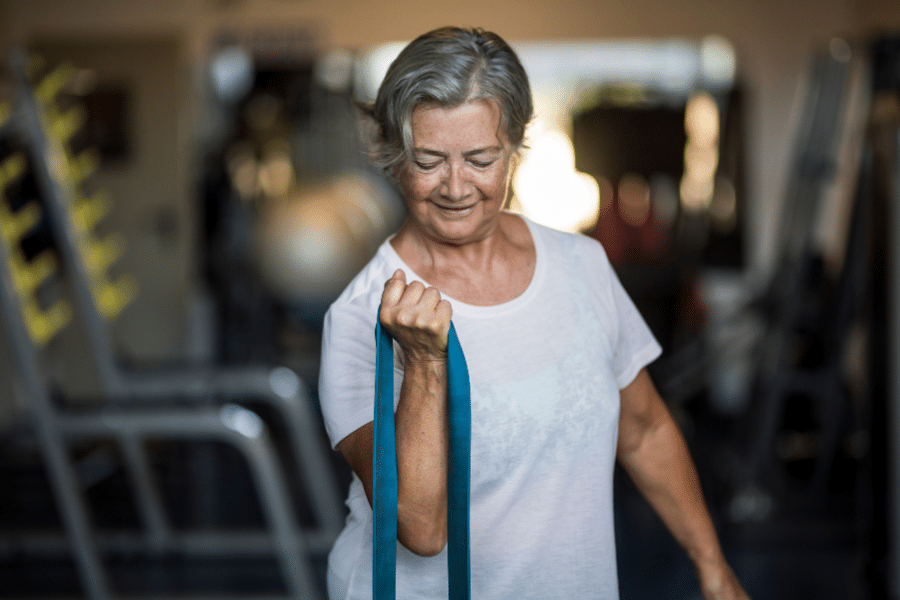

As you journey through life, the inevitable process of aging brings about numerous changes to your body. While some of these alterations are natural and expected, others can significantly impact your quality of life. One such change is the gradual loss of muscle mass and strength, which can hinder your daily activities and overall well-being. However, there’s a powerful tool to counteract these age-related challenges: weight training. This form of exercise not only combats muscle loss but offers a myriad of other benefits that are crucial as you age.
The Reality Of Muscle Loss With Age

Muscle loss, scientifically termed as sarcopenia, is a natural phenomenon that begins as early as your 30s. With each passing decade, you can lose between 3% to 5% of your muscle mass if you’re not proactive. This decline can lead to frailty, increased risk of falls, and a decreased ability to perform everyday tasks. Activities that once seemed trivial, like carrying groceries or climbing stairs, can become daunting challenges.
However, it’s not just about muscle volume. The quality of your muscles also deteriorates, leading to reduced strength and endurance. This decline can be attributed to factors like hormonal changes, reduced physical activity, and inadequate protein intake. But, regardless of its cause, the effects of muscle loss are profound and can significantly impact one’s independence and quality of life.
Benefits Of Weight Training For Bone Health

Your skeletal system, much like your muscles, undergoes changes as you age. Bones lose their density, becoming more fragile and susceptible to fractures. Osteoporosis, a condition characterized by weak and brittle bones, becomes a looming threat, especially for post-menopausal women. However, weight training offers a beacon of hope. When you lift weights, the stress applied to your bones stimulates the bone-building cells, leading to increased bone density.
Beyond just prevention, weight training can even reverse some of the bone density loss that has already occurred. Real-life examples abound of seniors who, through consistent weight training, have not only halted the progression of osteoporosis but have regained bone strength. This fortification of the skeletal system is crucial in reducing the risk of fractures, which can be life-altering events for older adults.
Weight Training And Metabolism
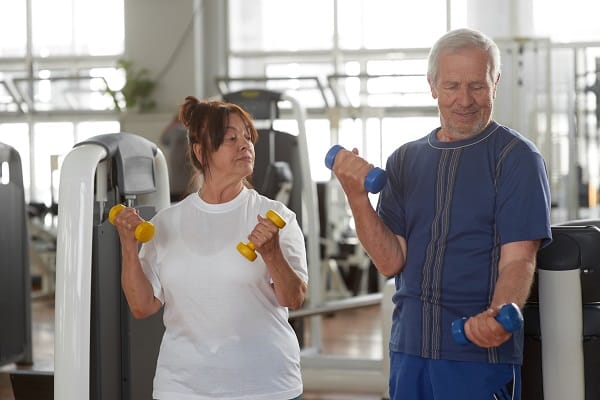
A slowing metabolism is another hallmark of aging. As your metabolic rate decreases, you burn fewer calories at rest, leading to weight gain and associated health issues. One of the primary drivers of your metabolism is your muscle mass. Muscles are metabolically active tissues, meaning they burn calories even when you’re not actively using them. Thus, a decline in muscle mass directly correlates with a drop in metabolic rate.
By engaging in weight training, you can counteract this decline. Building and maintaining muscle mass ensures a higher resting metabolic rate, which in turn aids in weight management. Moreover, the act of weight training itself burns calories, providing a dual benefit. For seniors, this metabolic boost is invaluable, helping to maintain a healthy weight and reduce the risk of obesity-related diseases.
Improving Balance And Coordination
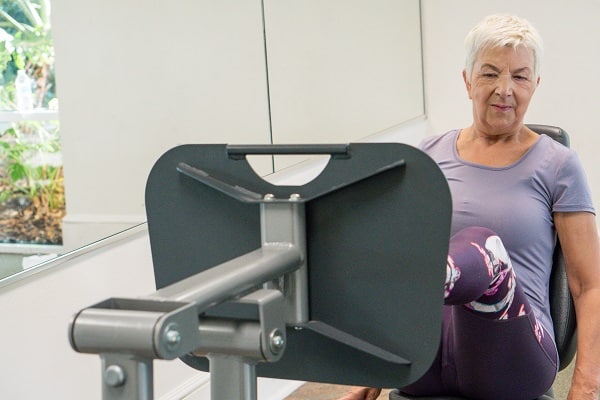
As you age, your sense of balance and coordination can diminish, increasing the risk of falls and injuries. This decline is not just due to muscle loss but also changes in your nervous system and a decrease in proprioception, your body’s ability to sense its position in space. Weight training, however, can be a game-changer. By strengthening both major and stabilizer muscles, it enhances your body’s stability and reduces the likelihood of falls.
Furthermore, weight training exercises, especially those that engage the core and require multi-joint movements, improve coordination. For instance, exercises like squats or lunges not only build leg strength but also challenge and enhance your balance. Over time, as strength and coordination improve, daily activities become safer and more manageable, fostering independence and confidence in seniors.